The independent resource on global security

Solar Power and Environmental Peacebuilding in South-central Somalia

Summary
In Somalia, widespread energy poverty and a heavy reliance on conventional energy sources are deeply linked to ongoing conflict dynamics. Dependence on firewood and charcoal worsens environmental degradation and intensifies competition over natural resources. These challenges are further exacerbated by the effects of climate change and limited access to basic services. To address these interconnected challenges, the International Organization for Migration (IOM) in Somalia is advancing rural electrification through solar power as part of a broader environmental peacebuilding strategy.
This SIPRI Policy Brief explores how the IOM’s approach to solar power and the facilitation of local public–private partnerships (PPPs) can support environmental peacebuilding at three levels: the community level, the local business level and the district council level. By creating local PPP agreements to implement solar power projects, the initiatives aim to foster cooperation, reduce resource-based tensions and strengthen government legitimacy in south-central Somalia. The brief shares learnings from early implementation stages and provides recommendations for donors and implementing organizations seeking to enhance the peacebuilding potential of solar energy projects.
Funder note
This SIPRI Policy Brief is part of a partnership between the International Organization for Migration in Somalia and SIPRI and is funded by the European Union Foreign Policy Instrument.

Introduction
Communities in areas of south-central Somalia newly recovered from al-Shabab control are grappling with the interconnected challenges of climate change, environmental degradation and lack of access to basic services.1 Energy insecurity is a particularly pressing concern: only 39 per cent of the rural population has access to electricity, leaving most people dependent on biomass fuels such as firewood and charcoal (see figure 1).2 Women and girls bear a disproportionate burden of this energy poverty as cooking and firewood collection are traditionally gendered responsibilities.3 In parallel, traditional livelihoods are becoming increasingly untenable under climate-related and environmental pressures; as a consequence, many farmers and herders have turned to producing and selling firewood and charcoal as an alternative income source.4 Widespread reliance on biomass for energy and for livelihoods has exacerbated deforestation and other types of environmental degradation as well as competition for these resources.5 Conflict and recurring droughts have displaced people into areas controlled by other clans, heightening tensions over access to the already scarce resources.6 In urban areas, imported diesel powers most of the electricity generation; fluctuating diesel prices and local monopolies can make energy prohibitively expensive.7 The interplay of energy scarcity, economic vulnerability and environmental degradation perpetuates a destructive cycle of resource depletion, insecurity and conflict.
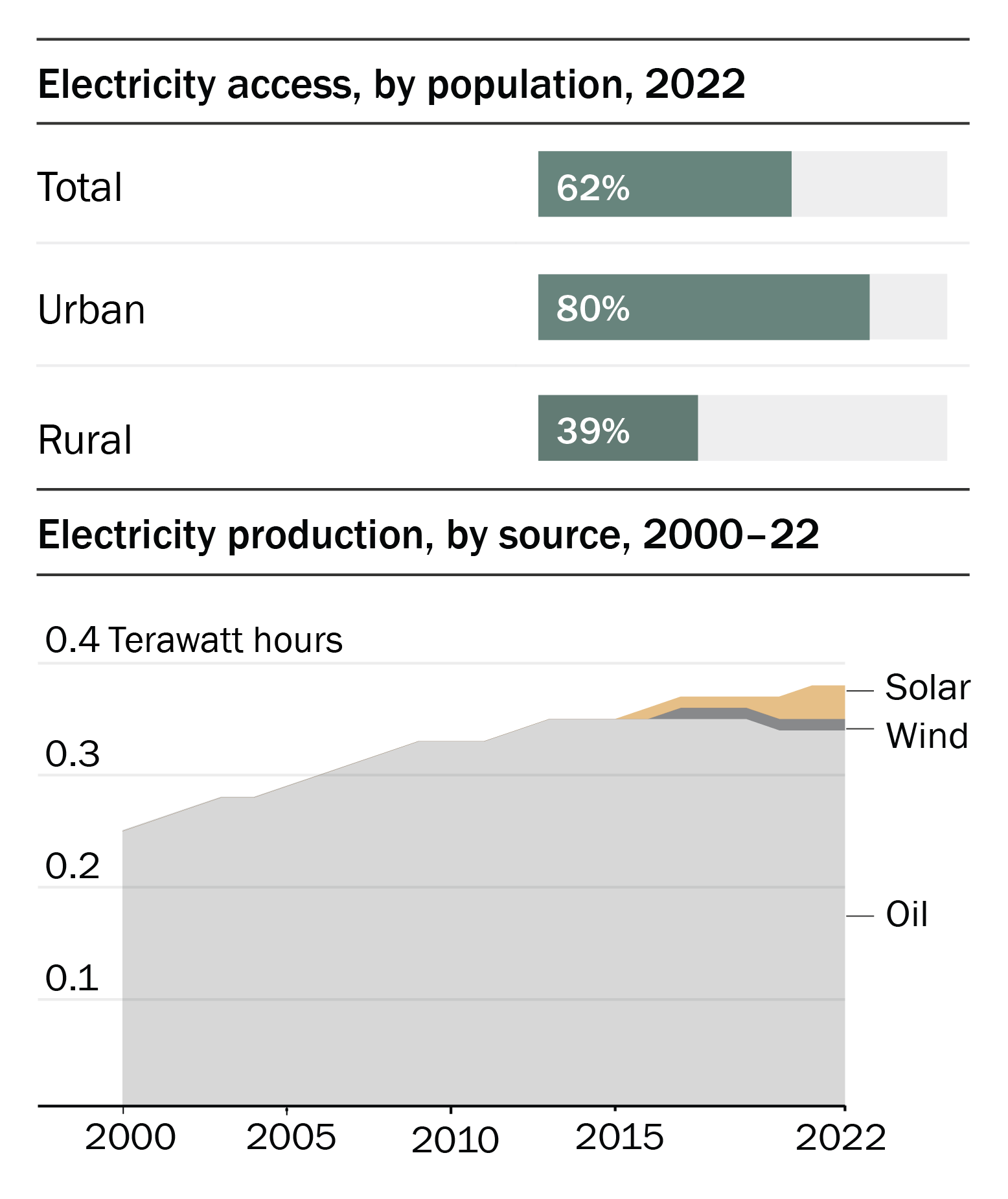
Figure 1. Access to electricity by the population and energy sources for electricity production in Somalia
Source: Somali National Bureau of Statistics (NBS), 2022 Somalia Integrated Household Budget Survey, Main Report (NBS: Mogadishu, Feb. 2023); and Ritchie, H., Roser, M. and Rosado, P., ‘Somalia: Energy country profile—CO2 and greenhouse gas emissions’, Our World in Data, 2020.
While research on the relationship between renewable energy and peacebuilding remains limited, growing attention is being paid—both in research and in policymaking—to the potential for energy transition to reduce the inequalities and mitigate the grievances that drive conflict. Renewable energy sources such as solar power present opportunities for reducing dependence on unsustainable fuels, easing resource-based tensions and mitigating environmental harm. Recognizing this potential, the International Organization for Migration (IOM) in Somalia is implementing solar power solutions as part of a holistic strategy to reduce environmental degradation, strengthen formal governance structures and address root causes of instability in the Federal Member State of Hirshabelle in south-central Somalia.
This SIPRI Policy Brief explores how the IOM approach to solar power can support environmental peacebuilding.8 Given that project implementation is ongoing, the policy brief focuses on the design of the approach rather than on the outcomes of its application. It offers lessons learned to date and recommendations for donors and implementing organizations related to enhancing the potential peacebuilding impacts of transitions to renewable energy.
The Relationship Between Energy Transition and Environmental Peacebuilding
Renewable energy plays a crucial role in sustainable development through its provision or facilitation of clean energy, decentralized systems and equitable access.9 Reliable access to energy improves the provision of clean water, healthcare, education and other essential services while fostering sustainable livelihoods, creating jobs and reducing poverty.10 Transitioning away from conventional fuels can stabilize electricity costs, lower greenhouse gas emissions and mitigate environmental degradation.11 Collectively, these conditions lay the foundation for peace.
Although research suggests there is potential for energy transition to support peacebuilding aims, studies capturing the direct impacts of specific energy projects on peace indicators are limited.12 The lack of evidence for the link between energy transition and peacebuilding may stem from the challenge of measuring long-term outcomes associated with environmental peacebuilding initiatives.13 This section explores how energy transition can support peacebuilding in Somalia by reducing conflicts over conventional energy sources, building trust between groups in conflict, strengthening local electricity infrastructure and improving the equity of access. It also highlights potential pitfalls of this approach.
Mitigating Resource-Based Drivers of Conflict
Climate change exacerbates pressure on natural resources such as water, pastures and forests, straining traditional mechanisms for managing community access to them.14 Research posits that fostering shared norms for community-based environmental and natural resource management can mitigate conflict and promote peace.15 Alternative energy solutions can support this objective by reducing reliance on natural resources that are under increasing environmental and human pressure while improving access to abundant, renewable energy sources such as solar and wind.16
Building Community Trust Through Renewable Energy Projects
The potential for renewable energy projects to build trust and provide shared benefits has been identified in efforts to address interstate conflicts in the Middle East.17 While there are no such examples from Somalia, broad joint community development initiatives implemented in south-central Somalia have been found to support durable local peace, pointing to the potential for renewable energy infrastructure to contribute to peacebuilding.18
Research finds that environmental action can support peacebuilding by creating opportunities for groups in conflict to strengthen their relationship through collaboration on projects that deliver shared benefits.19 Infrastructure projects in particular can support peacebuilding when their design and construction phases include platforms for dialogue and reaching agreement on shared interests.20 Renewable energy infrastructure projects could thus also support intergroup dialogue and trust-building.
Restoring Service Delivery and Institutional Legitimacy
The ongoing civil war in Somalia has weakened formal governance structures in the country, but private sector actors, including women-led business associations, continue to sell basic goods and services, even in the absence of a functional central government.21 This has created a degree of legitimacy for non-governmental actors, which can, in turn, support the emergence of nascent government authorities. Businesses can contribute to positive peace and mitigate conflict drivers, for example by supporting the delivery of basic services.22 A pertinent example of businesses supporting peacebuilding is the public–private partnership (PPP) between a Norwegian renewable energy company, the government of South-West Federal Member State, and the United Nations Support Office in Somalia. This PPP contributes to the development of large-scale solar power infrastructure in Baidoa through a power purchase agreement.23 While the primary objective of the initiative is to reduce the environmental footprint of the UN, it also seeks to support peace by ensuring the environmental sustainability of peacekeeping operations and reducing the supply of diesel taxed by al-Shabab.24
Research suggests that the provision of basic goods and services is one of three pillars critical to rebuilding citizens’ trust in the state in fragile and conflict-affected areas.25 Similarly, environmental peacebuilding research shows that equitable formal natural resource management can enhance government legitimacy, especially in marginalized communities.26 In this context, energy transition can strengthen the legitimacy of local authorities by enabling them to improve both basic service delivery and local environmental management. Furthermore, in promoting decentralized energy systems, renewable energy also empowers communities, enabling greater local control and cooperation around energy access and sharing.27
Recognizing the Flip Side to Energy Transition: Maladaptation
And Conflict Risk
Energy transitions involve trade-offs and can inadvertently create inequalities that lead to tensions.28 Designers of renewable energy projects must thoroughly assess local conditions, capacities and conflict dynamics as not all energy systems are universally suitable or sustainable. For instance, renewable energy solutions based on hydropower or bioenergy risk intensifying competition for water or land in areas already facing scarcity of those resources.29 Such risks are heightened by climate change, and their mitigation requires careful consideration of environmental conditions.
Because climate action that involves energy transition can significantly alter how natural resources are extracted, used and distributed, it can reinforce existing inequalities or create new ones.30 In some countries, wind and solar power projects designed without adequate local stakeholder consultation processes have resulted in ‘green grabbing’ that is supported by elites.31 Similarly, new renewable energy technologies can shift or create new economic interests, resulting in greenwashing efforts that perpetuate structural inequalities.32 Observers have warned that the Horn of Africa could become a flashpoint for geopolitical tensions around renewable energy; namely, that foreign investors in renewable energy projects may face resistance from local populations if benefits are not shared equitably.33 To avoid such undesirable outcomes, energy projects must be inclusive, conflict-sensitive and grounded in an understanding of local power dynamics.34
Moreover, fragile and conflict-affected political economies are often structured around resource control, benefiting both formal and informal power holders.35 In Somalia, the armed group al-Shabab taxes diesel fuel and engages in charcoal trading, which means that transitioning to alternative energy solutions could weaken its sources of financing.36 Disrupting these revenue streams carries the risk that the group will retaliate by undermining renewable energy projects. This risk underscores the need for project design to incorporate conflict analysis that identifies both possible pitfalls and ways to mitigate potential negative outcomes.
The International Organization for Migration’s Approach to Energy Transition and Environmental Peacebuilding
In newly recovered areas in south-central Somalia, IOM seeks to address the interconnected challenges of climate change, environmental degradation and limited access to basic services with an environmental peacebuilding approach that combines mutually reinforcing activities in environmental regeneration, sustainable economic development and local governance strengthening.37
One key aspect of IOM activities is facilitating access to electricity from solar power.38 Energy poverty, particularly in rural areas, remains a major challenge in Somalia.39 By expanding rural electrification and providing electric cookers, IOM aims to reduce reliance on environmentally harmful energy sources and energy-related practices, to mitigate resource competition and to create opportunities for sustainable livelihoods.40 The IOM approach offers insights into how PPPs can strengthen horizontal trust between communities and vertical trust in local authorities. This section examines how the approach can support environmental peacebuilding and presents lessons learned from project design and implementation.
Strengthening Trust Through Public–Private Partnerships
After decades of armed conflict and economic disruption, Somalia faces the formidable task of rebuilding its infrastructure, establishing credible institutions and fostering sustainable development. The country lacks a national electricity grid; its energy sector consists of decentralized mini-grids operated predominantly by private entities at the local level. The rural/urban electrification divide limits the development of alternative livelihoods as well as community access to education, healthcare and economic development opportunities.41 Limited public service provision perpetuates mistrust in the government’s ability to deliver essential services.42
Research on environmental peacebuilding has found equitable and effective public service provision has a role in restoring government legitimacy in conflict-affected areas.43 Furthermore, transparent, participatory decision making around service delivery that allows communities to voice concerns and address grievances has been shown to positively influence public perceptions of governance.44
IOM seeks to reap the benefits of participatory approaches by promoting the formation of local PPPs that facilitate the provision of clean and affordable electricity in target locations. The sharing of responsibilities among communities, district councils and local businesses has the potential to mitigate common risks associated with traditional PPP models while maximizing environmental peacebuilding potential (see figure 2).45
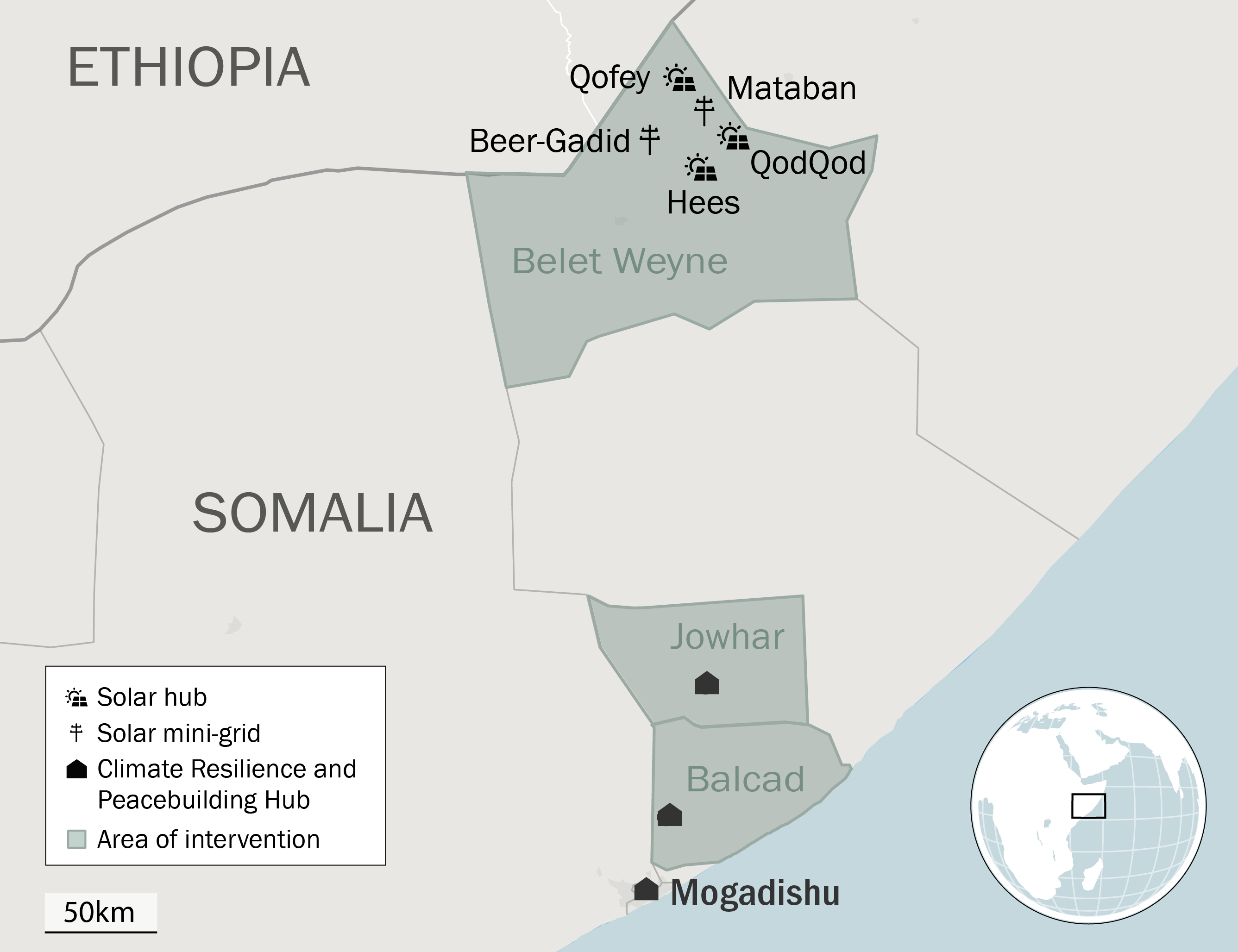
Figure 2. Parties and their corresponding contribution to local public–private partnership (PPP) agreements for solar power projects facilitated by the International Organization for Migration in target locations in the Federal Member State of Hirshabelle in south-central Somalia
IOM has facilitated the creation of PPPs to implement solar power projects in Hirshabelle (see figure 3): two solar mini-grids (in Mataban Town and Beer-Gadid) and three solar hubs in Mataban District (in QodQod, Qofey and Hees).46 This approach offers insights into environmental peacebuilding potential at three levels, which are discussed below.
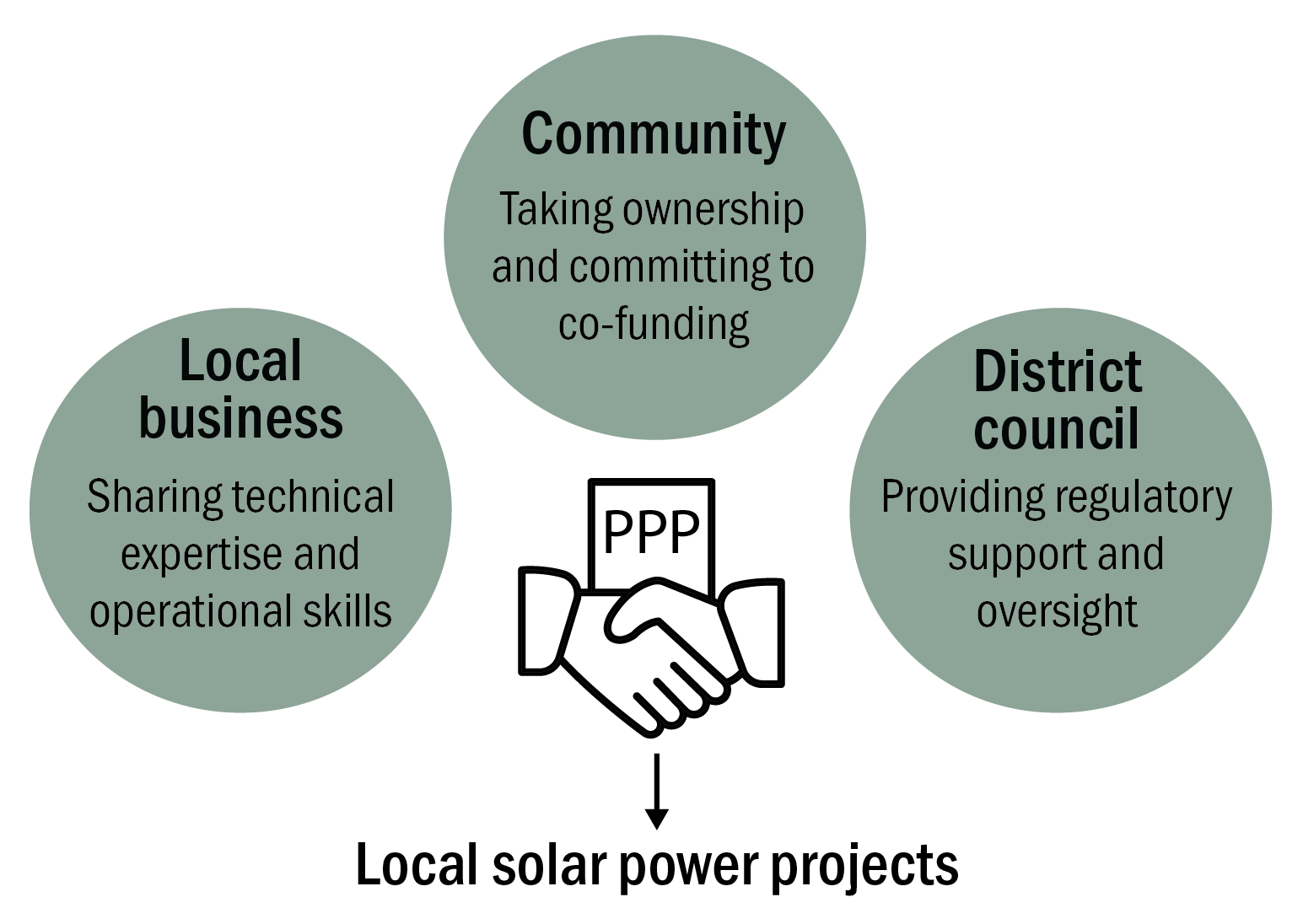
Figure 3. Areas of intervention and implementation of solar power projects by the International Organization for Migration in the Federal Member State of Hirshabelle in south-central Somalia
Source: IOM Somalia, 2024.
Promoting co-funding and community ownership
The three solar hubs are co-funded by community
members and designed through community-level
dialogue, fostering local ownership.47 The solar hubs thus aim to reduce conflict by building trust and creating interdependencies between communities through collaboration on projects that address pressing local needs.48 The emphasis on a participatory and collaborative community-based approach to designing and implementing the solar hubs echoes the peacebuilding literature on the potential for collaboration on infrastructure and environmental action to support trust-building among groups living in conflict.49
Engaging the local private sector
In implementing solar power projects, IOM seeks to engage the local private sector. To this end, for the solar mini-grid projects, IOM mapped private energy providers in the target locations who would agree to operate and maintain the mini-grid, identifying one in Mataban Town but not in Beer-Gadid.50
By engaging the private sector in renewable energy projects and providing resources and technical training to local businesses, IOM seeks to leverage Somalia’s decentralized energy sector.51 This approach not only strengthens local renewable energy initiatives but also attracts investment in the energy sector, thus building support among Somalia’s business community and political leaders for future renewable energy projects.52
Private businesses in Somalia have historically advocated for and played a role in brokering peace.53 Integrating energy transition projects into peace agreements could, therefore, build partnerships based on common interests, enabling communities, private energy companies and government entities to work towards shared goals.
Involving district councils
The solar mini-grids and solar hubs are administered by partnership agreements between community representatives, district authorities and local businesses. To promote transparency and ensure accountability, the agreements define the share of revenue for local authorities and businesses and set a price range for electricity to ensure affordable access for communities. The process of convening parties and developing partnership agreements was facilitated by IOM and overseen by district commissioners to ensure the buy-in of the local authorities. In addition, IOM field teams formed energy committees comprising representatives of parties involved in project implementation and communities to serve as forums for addressing issues and resolving disputes.
Peacebuilding practitioners widely acknowledge the potential for good governance of natural resources to improve government legitimacy.54 By emphasizing the potential for district councils to equitably provide clean energy, the IOM approach in Hirshabelle demonstrates how local renewable energy projects constitute an avenue for improving governance.
Learning from Experience
During the planning and early implementation stages of IOM renewable energy projects in south-central Somalia, challenges have arisen that highlight the importance of thoroughly assessing local, environmental, economic and social conditions and capacities before introducing new energy systems. Key lessons have emerged concerning the maladaptation risks of unsuitable energy technologies and the need for ensuring both the appropriate financing for energy projects and the longevity of new energy infrastructure.
As mentioned earlier, not all renewable energy technologies are suitable for every context; some technologies may unintentionally lead to maladaptation, increasing vulnerability to climate change or eroding resilience. In this regard, IOM explored the use of biodigesters in south-central Somalia during the planning stage of its project and found that although they held potential, they could also exacerbate water stress in arid areas.55
Solar power systems require substantial upfront investment, which often exceeds the financial capacity of local partners reliant on loans and subsidies. Grant-based funding, as used for IOM mini-grid projects, enables energy transition without burdening governments or communities with debt or high electricity prices. Newly electrified areas present additional challenges to the profitability of PPPs owing to low initial energy consumption. To promote equitable electricity access and incentivize energy use, the IOM PPP agreements set a price range for energy deemed affordable for local consumers and competitive with unsustainable options.56
In remote areas, solar power systems often have a reduced lifespan as a result of insufficient maintenance and technical support, leading to the degradation of components such as panels, inverters and batteries.57 Anticipating these challenges, IOM field teams have documented lessons learned from previous mini-grid projects; these lessons emphasize the need for comprehensive operation and maintenance plans as well as technical training to build local capacity. Guided by these lessons, IOM has integrated PPPs into its approach to establishing mechanisms for maintaining new energy systems. However, identifying private sector partners in marginalized remote regions has proved difficult, as for example for the solar mini-grid in Beer-Gadid.58 Therefore, IOM sought to build local capacity by engaging project partners based in Mogadishu. As well as providing technical support and training for local workers, these partners provide operational support during a project’s initial six months of implementation.59
Recommendations
The IOM environmental peacebuilding project design provides valuable insights for donors and implementing organizations seeking to enhance the peacebuilding potential of renewable energy initiatives. Three recommendations emerge from this research for the design of renewable energy projects that support positive peace.
Support Peacebuilding Throughout Energy Transition
Renewable energy projects, as part of broader climate action, can be designed to support peacebuilding in fragile and conflict-affected areas. Co-funding mechanisms show how energy projects can facilitate community ownership of infrastructure and encourage intergroup collaboration. Engaging district authorities in such projects and leveraging the capacities of local energy businesses not only supports the sustainability of energy transitions, but also encourages broad stakeholder participation in peacebuilding efforts. Donors and implementing organizations should invest in projects that integrate climate action and peacebuilding objectives to maximize their positive impacts.
Invest in Building Community Capacity to Manage Locally Owned
Energy Transitions
Climate action, including energy transition, should seek to minimize the potential for unintended harm, which may arise from, for example, energy projects that are inappropriate to the context or that result in inequitable energy access. Thorough context analyses conducted before, during and after project implementation can help to anticipate the local-level social, political, economic and environmental impacts of an energy transition. Another way for donors and implementing organizations to support locally legitimate energy transitions is to invest—through technical and financial support—in building the capacity of national staff and institutions to participate in developing, implementing and managing renewable energy infrastructure.
Allocate Funds for Uptake of Technologies and Project Assessment
Assessing energy usage after implementation is vital to understanding gaps or challenges limiting project benefits, such as limited community awareness or lack of equipment (e.g. electric cookers) needed for the uptake of electrification. These evaluations enable timely corrective measures to improve a project’s positive impact and help anticipate its long-term outcomes, which can inform future projects. Donors and implementing organizations should allocate funds for equipment that enables communities to fully utilize the newly supplied energy as part of their livelihood and other productive activities, thereby reducing their reliance on harmful fuels such as charcoal.
Endnotes
- 1 Tarif, K. et al., Climate, Peace and Security Fact Sheet: Somalia (2023) (SIPRI: Stockholm, Sep. 2023); and World Bank, Somalia Climate Risk Review (World Bank Group: Washington, DC, 2023).
- 2 Somali National Bureau of Statistics (NBS), 2022 Somalia Integrated Household Budget Survey, Main Report (NBS: Mogadishu, Feb. 2023).
- 3 Nguyen, C. P. and Su, T. D., ‘Does energy poverty matter for gender inequality? Global evidence’, Energy for Sustainable Development, vol. 64 (Oct. 2021); and Horn Africa Consultants Firm, Gender, Climate and Conflict Analysis in Somalia and Assessment of Opportunities for Climate Agriculture and Livelihood Opportunities for Crisis-affected and At-risk Women in Somalia, Study Report (United Nations Entity for Gender Equality and the Empowerment of Women, East and Southern Africa Regional Office: 2022).
- 4 IOM staff, Interview with authors, 27 June 2024. These findings are reflected in an IOM-commissioned field-based context analysis conducted for Beer-Gadid, Mataban Town, QodQod and Takaarale; and Bolognesi, M. et al., ‘Rapid mapping and impact estimation of illegal charcoal production in southern Somalia based on WorldView-1 imagery’, Energy for Sustainable Development, vol. 25 (Apr. 2015).
- 5 Ali, M. M., ‘Assessing the impacts of traditional charcoal production sites on the environment in Daynile District, Mogadishu-Somalia’, American Journal of Environment and Climate, vol. 2, no. 3 (2023).
- 6 World Bank (note 1).
- 7 Hassan, M. O., ‘One year later, Somalia still feeling effects of Ukraine War’, Voice of America, 24 Feb. 2023.
- 8 Solar power is a renewable energy source that uses technologies such as photovoltaic cells to capture sunlight and convert it into electricity.
- 9 Renewable energy is derived from sources such as sunlight, wind, water and biomass. The technologies used to generate renewable energy emit minimal greenhouse gases and other pollutants. Pan, X. et al., ‘Energy and sustainable development nexus: A review’, Energy Strategy Reviews, vol. 47 (May 2023).
- 10 Adams, S., Klobodu, E. K. M. and Opoku, E. E. O., ‘Energy consumption, political regime and economic growth in sub-Saharan Africa’, Energy Policy, vol. 96 (Sep. 2016); Vernet, A. et al., ‘How does energy matter? Rural electrification, entrepreneurship, and community development in Kenya’, Energy Policy, vol. 126 (Mar. 2019); Banerjee, R., Mishra, V. and Maruta, A. A., ‘Energy poverty, health and education outcomes: Evidence from the developing world’, Energy Economics, vol. 101 (Sep. 2021); and Amuakwa-Mensah, S. and Surry, Y., ‘Association between rural electrification and agricultural output: Evidence from Sub-Saharan Africa’, World Development Perspectives, vol. 25 (Mar. 2022).
- 11 Conventional fuels are fossil fuels (coal, gas and oil) and solid biomass (charcoal, dung and firewood), which remain widely used worldwide. The large-scale use of wood-based biomass fuels drives deforestation and other forms of environmental degradation. Gielen, D. et al., ‘The role of renewable energy in the global energy transformation’, Energy Strategy Reviews, vol. 24 (Apr. 2019); Hassan (note 7); Ali (note 5); and Intergovernmental Panel on Climate Change (IPCC), Climate Change 2023: Synthesis Report, Contribution of Working Groups I, II and III to the Sixth Assessment Report of the Intergovernmental Panel on Climate Change (IPCC: Geneva, 2023).
- 12 Energy Peace Partners, Renewable Energy and Peace: Empirical Analysis of Global Data, Peace Impact Working Paper no. 1 (Energy Peace Partners: Sep. 2023); and Krampe, F., ‘Empowering peace: Service provision and state legitimacy in Nepal’s peace-building process’, Conflict, Security and Development, vol. 16, no. 1 (2016).
- 13 Bruch, C. and Woomer, A., Toolkit on Monitoring and Evaluation of Environmental Peacebuilding (Environmental Law Institute: Washington, DC, Nov. 2023).
- 14 Buhaug, H. and von Uexkull, N., ‘Vicious circles: Violence, vulnerability, and climate change’, Annual Review of Environment and Resources, vol. 46 (Oct. 2021); and Mobjörk, M., Krampe, F. and Tarif, K., Pathways of Climate Insecurity: Guidance for Policymakers, SIPRI Policy Brief (SIPRI: Stockholm, Nov. 2020).
- 15 Tarif, K., Burning Ground: Tackling Climate Change and Conflict in South-central Somalia (SIPRI: Stockholm, May 2024).
- 16 Buhaug and von Uexkull (note 14); Mobjörk, Krampe and Tarif (note 14); Bell, S. E. and York, R., ‘Coal, injustice, and environmental destruction: Introduction to the special issue on coal and the environment’, Organization and Environment, vol. 25, no. 4 (Dec. 2012); and Del Bene, D., Scheidel, A. and Temper, L., ‘More dams, more violence? A global analysis on resistances and repression around conflictive dams through co-produced knowledge’, Sustainability Science, vol. 13 (May 2018).
- 17 Bromberg, G., Majdalani, N. and Abu Taleb, Y., A Green Blue Deal for the Middle East (EcoPeace Middle East: Tel Aviv, Dec. 2020).
- 18 Somalia Stability Fund, Durable Local Reconciliation in Somalia: Factors that Enhance Durability and Success, Executive Summary (Somalia Stability Fund: 2021).
- 19 Johnson, M. F., Rodríguez, L. A. and Quijano Hoyos, M., ‘Intrastate environmental peacebuilding: A review of the literature’, World Development, vol. 137 (Jan. 2021).
- 20 Bachmann, J. and Schouten, P., ‘Concrete approaches to peace: Infrastructure as peacebuilding’, International Affairs, vol. 94, no. 2 (Mar. 2018).
- 21 Menkhaus, K., ‘State failure, state-building, and prospects for a “functional failed state” in Somalia’, Annals of the American Academy of Political and Social Science, vol. 656, no. 1 (Nov. 2014).
- 22 Miller, B. et al., A Seat at the Table: Capacities and Limitations of Private Sector Peacebuilding (CDA Collaborative Learning, Africa Centre for Dispute Settlement and Peace Research Institute Oslo: Jan. 2019); and Berdal, M. and Mousavizadeh, N., ‘Investing for peace: The private sector and the challenges of peacebuilding’, Survival, vol. 52, no. 2 (2010).
- 23 PPPs are collaborative arrangements between government entities and private companies to fund, build and manage infrastructure or deliver services. In the energy sector, PPPs support the implementation of renewable energy projects by promoting the sharing of expertise and risk and facilitating investment.
- 24 To ensure the sustainability of the project, the South-West Federal Member State government will assume management of the infrastructure for 15 years after its development. Aynte, A., Chen, E. and Mozersky, D., Powering Ahead: The United Nations and Somalia’s Renewable Energy Opportunity, International Order and Conflict Report (The Henry L. Stimson Center/Energy Peace Partners: Washington, DC/Sausalito, CA, Mar. 2022).
- 25 The other two pillars are security and political participation. Brinkerhoff, D. W., Wetterberg, A. and Dunn, S., ‘Service delivery and legitimacy in fragile and conflict-affected states: Evidence from water services in Iraq’, Public Management Review, vol. 14, no. 2 (2012).
- 26 Krampe, F., Hegazi, F. and VanDeveer, S. D., ‘Sustaining peace through better resource governance: Three potential mechanisms for environmental peacebuilding’, World Development, vol. 144 (Aug. 2021).
- 27 Edwards, I., The Role of Decentralized Renewable Energy in Peacebuilding (Quaker United Nations Office: Geneva, 2018); and Priestley, C., The Peacebuilding Implications of Energy Transitions to a Carbon-neutral Future (Quaker United Nations Office: Geneva, 2020).
- 28 Akrofi, M. M., McLellan, B. C. and Okitasari, M., ‘Characterizing “injustices” in clean energy transitions in Africa’, Energy for Sustainable Development, vol. 83 (Dec. 2024); and Johnson, O. W.
et al., ‘Intersectionality and energy transitions: A review of gender, social equity and low-carbon energy’, Energy Research and Social Science, vol. 70 (Dec. 2020). - 29 Opperman, J. J. et al., ‘Using the WWF Water Risk Filter to screen existing and projected hydropower projects for climate and biodiversity risks’, Water, vol. 14, no. 5 (2022); Singh, R. S., Pandey, A. and Gnansounou, E. (eds), Biofuels: Production and Future Perspectives, 1st edn (CRC Press: Boca Raton, FL, 2016); and Mutopo, P. and Chiweshe, M. K., ‘Water resources and biofuel production after the fast-track land reform in Zimbabwe’, African Identities, vol. 12, no. 1 (2014).
- 30 Buhaug, H. et al., ‘Climate-driven risks to peace over the 21st century’, Climate Risk Management, vol. 39 (2023).
- 31 ‘Green grabbing’ refers to the appropriation of land and natural resources for environmental purposes, often under the guise of sustainability or conservation but done in ways that marginalize local communities. Klingler, M. et al., ‘Large-scale green grabbing for wind and solar photovoltaic development in Brazil’, Nature Sustainability, vol. 7 (2024); Renkens, I. M., ‘Mind the gap: Conflicts in the implementation of Kenya’s Lake Turkana Wind Power Project’, Forum for Development Studies, vol. 51, no. 3 (2024); and Fairhead, J., Leach, M. and Scoones, I., ‘Green grabbing: A new appropriation of nature?’, Journal of Peasant Studies, vol. 39, no. 2 (2012).
- 32 Ben-Shmuel, A. T. and Halle, S., ‘Beyond greenwashing: Prioritizing environmental justice in conflict-affected settings’, Environment and Security, vol. 1, nos 3–4 (Dec. 2023).
- 33 Lentschig, H. et al., Why Renewable Energy Matters in the Context of Peace and Stability, Policy Brief (Clingendael, Planetary Security Initiative, Energy Peace Partners, Stanley Center for Peace and Security: Nov. 2024).
- 34 Bruch and Woomer (note 13).
- 35 European Peacebuilding Liaison Office (EPLO), The Green Transition and Peace: Exploring Climate Crisis and Security Dynamics in Somalia, Civil Society Dialogue Network Meeting Report (EPLO: Brussels, 3 July 2024).
- 36 Bahadur, J., Terror and Taxes: Inside al-Shabaab’s Revenue-Collection Machine (Global Initiative Against Transnational Organized Crime: Geneva, Dec. 2022).
- 37 IOM Somalia, ‘Environmental peacebuilding’, 2023; and IOM staff, Interview with authors, 21 Aug. 2024.
- 38 Tarif, K., From Conflict to Collaboration: Co-funding Environmental Peacebuilding in South-central Somalia, SIPRI Policy Brief (SIPRI: Stockholm, Sep. 2024).
- 39 Pape, U. J. and Karamba, R. W., Somali Poverty and Vulnerability Assessment: Findings from Wave 2 of the Somali High Frequency Survey (World Bank Group: Washington, DC, Apr. 2019); and Somali National Bureau of Statistics (note 2).
- 40 IOM, ‘Description of action: Climate-adaptive stabilization in newly liberated areas of Somalia’, Unpublished project document, [n.d.].
- 41 International Trade Administration, Somalia – Country Commercial Guide: Energy and Electricity, [n.d.], accessed 23 Dec. 2024.
- 42 IOM staff, Interview with authors, 12 Nov. 2024.
- 43 Krampe, Hegazi and VanDeveer (note 26); and Brinkerhoff, Wetterberg and Dunn (note 25).
- 44 Denney, L., Mallett, R. and Mazurana, D., Peacebuilding and Service Delivery (United Nations University Centre for Policy Research: Feb. 2015).
- 45 United Nations Economic Commission for Europe (UNECE), Guiding Principles on People-first Public-Private Partnerships (PPPs) for the United Nations Sustainable Development Goals (UN SDGs), Part II – The 8 Guiding Principles for People-first PPPs in Support of the UN SDGs (UNECE: 3 May 2018).
- 46 Mini-grids are localized energy distribution systems that provide electricity to communities in rural or off-grid areas. Typically powered by diesel fuel or solar, these grids can operate independently or be connected to a larger grid. Solar hubs refer to centralized small-scale electricity supply systems comprising photovoltaic panels. These hubs are designed to provide energy to nearby homes, businesses and essential infrastructure.
- 47 Tarif (note 38).
- 48 IOM staff, Interview with authors, 14 Nov. 2024.
- 49 Krampe, Hegazi and VanDeveer (note 26).
- 50 IOM staff (note 42).
- 51 Aynte, Chen and Mozersky (note 24).
- 52 Somali power companies are already lobbying for legislation that is favourable to mini-grids as sources of renewable energy. Aynte, Chen and Mozersky (note 24).
- 53 International Alert, Mobilising the Private Sector for Peace: The Role of Private Sector Actors in Peace and Conflict Dynamics in Kenya and Somalia, Policy Report (International Alert: Nairobi, Mar. 2022).
- 54 Wolter, S., Mackaill-Hill, H. and Grayson, G., The Green Transition and Peace: Existing Initiatives and Experiences, Civil Society Dialogue Network Background Paper (European Peacebuilding Liaison Office: Brussels, Mar. 2024).
- 55 Biodigesters are systems that convert organic waste, such as manure and crop residues, into biogas and fertilizer. The biogas can be used as a clean fuel for cooking or electricity generation, while the fertilizer can be used in agriculture. IOM staff (note 37).
- 56 IOM staff (note 42).
- 57 Edomah, N., ‘Rural electrification in Africa: A case study of Yebu community solar minigrid’, Environmental Research: Infrastructure and Sustainability, vol. 2, no. 4 (2022).
- 58 IOM staff (note 42).
- 59 IOM Somalia Community Stabilization Unit, ‘Quarterly report: Climate adaptive stabilization in newly liberated areas of Somalia’, Unpublished document, Apr. 2024.
ABOUT THE AUTHOR(S)/EDITORS

Ann-Sophie Böhle was a Research Assistant at SIPRI.

Kheira Tarif was a Researcher in the SIPRI Climate Change and Risk Programme.