The independent resource on global security

Climate, Peace and Security in Eastern Democratic Republic of the Congo

Summary
Local communities in eastern Democratic Republic of the Congo (DRC) face the combined challenge of climate change and violent conflict, which exacerbates vulnerabilities, poverty, displacement and human insecurity. This SIPRI Insights Paper examines how climate change interacts with existing vulnerabilities in North Kivu and South Kivu to heighten human insecurity and conflict risks. The findings highlight that the link between climate change and conflict is shaped by the governance and accessibility of natural resources such as land and water. Changes in the availability and quality of such resources may increase the risks of tensions and intercommunal conflicts, especially in areas where such resources are already contested. Climate-related security risks present both immediate and long-term challenges to an already fragile peacebuilding environment in the region. Consequently, this paper recommends integrating climate and environmental considerations into peacebuilding and stabilization efforts. This paper is available in English and French.
I. Introduction
Local communities in eastern Democratic Republic of the Congo (DRC) continue to face the double burden of the climate crisis and ongoing violent conflict and insecurity.1 The impacts of climate change and environmental degradation in eastern DRC interact with existing vulnerabilities, insecurity and socio-economic and political issues, heightening the risk of resource and intercommunal conflict and worsening existing peace and human security challenges.2 Armed conflict also exacerbates environmental degradation and vulnerability to climate change, increasing poverty and limiting people’s adaptive capacity.
The DRC has abundant natural resources and mineral deposits, yet it is among the five poorest countries in the world, with about 73.5 per cent of its population living below the international poverty line.3 It is also ranked among the five most climate-vulnerable countries in the world, partly due to its susceptibility to disasters, socio-economic challenges, and dependence on climate-sensitive livelihoods.4 Moreover, the DRC hosts one of the largest numbers of displaced populations in the world, with about 7 million people displaced primarily by armed conflict and insecurity, but including some who are displaced due to extreme weather events and natural disasters.5 A significant portion of the affected population resides in the eastern region of the country, which faces a severe humanitarian crisis driven by ongoing armed conflict, climate-related risks, extreme poverty and widespread food insecurity.6
Climate change and extreme weather events, including natural disasters, are contributing to the degradation of arable land, water scarcity and biodiversity loss, which threaten livelihoods in the region.7 The link between climate change and conflict is closely tied to the governance and access of natural resources, as changes in the availability and quality of resources like land and water heighten tensions in areas where resource management and access are already a source of conflict.8 For example, in some regions of south Kivu, such as the Ruzizi plain, there is already a scarcity of water resources, which reinforces the conflict between farming communities.
This study emphasizes that the degradation of land and water resources, driven by climate change and environmental mismanagement, poses significant threats to both rural and urban communities. In eastern DRC, these challenges are compounded by weak state authority, persistent insecurity, entrenched ethnic tensions and patronage politics, all of which undermine local capacities to adapt. Additionally, gender and youth dynamics play a pivotal role in shaping how communities experience and respond to these risks. While women, girls and young people are among the most vulnerable, their agency remains a crucial element in building resilience to the interconnected challenges of climate change and insecurity.
This SIPRI Insights Paper aims to highlight how climate change and environmental degradation interact with existing vulnerabilities, as well as socio-economic and political challenges, to exacerbate human insecurity and conflict risks in eastern DRC, particularly in the North and South Kivu provinces. It also offers recommendations for incorporating climate and environmental considerations into peacebuilding efforts.
The paper draws on discussions and findings from a climate, security and peacebuilding workshop held in Bukavu, South Kivu, in May 2024, which brought together over 50 local stakeholders from North and South Kivu involved in stabilization, peacebuilding, and environmental and climate action in the region. The workshop aimed to explore and analyse how climate change reinforces conflict dynamics and creates new conflict risks in eastern DRC, as well as to identify strategies for preventing and resolving conflicts.9 The paper also draws on insights from key informant interviews conducted in October 2024 with representatives of local and grassroots organizations involved in climate action and peacebuilding, as well as a representative from the provincial authority.10
Section II of this paper provides background information about eastern DRC, highlighting the persistent challenges posed by conflict in the region, and section III highlights the region’s climate change trends, projections and vulnerability. Section IV then outlines the climate-related security risks and section V focuses on the gender and youth dynamics of climate insecurity in the region. Finally, section VI provides three key recommendations: (a) support climate-resilient livelihood activities as core components of local peacebuilding; (b) raise awareness of climate-related security risks and build the capacity of local peacebuilding actors to integrate climate and environmental considerations; and (c) develop an institutional platform to coordinate climate, peace and security activities, and improve trust building between and among local actors and state authorities at the provincial and territorial level.
II. Eastern DRC at a glance: Persistent conflict challenges
The conflicts in eastern DRC stem from a variety of roots, including long-standing ethnic (inter- and intra-) communal tensions, a patronage-based political system, competition for valuable resources such as land and mining sites, the presence of numerous armed groups—both local and foreign-backed—and cross-border tensions with neighbouring countries, particularly Rwanda and Uganda.11 This region, particularly the provinces of North Kivu and South Kivu, has experienced instability since the 1990s, with conflicts predating this period. For nearly three decades, armed group attacks and inter- and intracommunal violence have endangered eastern DRC communities. The region continues to grapple with security issues today and armed groups remain active. Since January 2025, the conflict in eastern DRC has escalated following territorial advances by the March 23 Movement (Mouvement du 23 Mars, M23) rebel group, which led to the capture of Goma, the provincial capital of North Kivu, and other strategic towns in South Kivu.
The drivers of the conflicts in eastern DRC can be broken down into local ones, including the influence of national elites, and regional ones, emanating from regional tensions. In terms of the local drivers, there are inter- and intracommunal conflicts over land disputes, customary rights and power. For example, the Ruzizi plain has witnessed such conflicts between the Barundi, Banyamulenge and Bafuliro communities, including tensions within these groups.12 Political competition and fragmentation at the national level also contribute to tensions, exacerbating local conflict dynamics. In some cases, political and economic elites exploit these conflicts by collaborating with armed groups to further their own interests, such as providing protection to businesses or strengthening their influence to gain political leverage.13
Regional influences from neighbouring countries, including the presence of foreign-backed armed groups, and competition for minerals further fuel the conflict. Eastern DRC hosts a large number of armed groups, with a few standing out as key actors in the ongoing conflict. M23, for example, which was initially active from 2012 to 2013 before resurfacing in 2021, is a key actor in the recent escalation of conflict. It is reportedly backed by the Rwandan government. The Democratic Forces for the Liberation of Rwanda (Forces démocratiques de libération du Rwanda, FDLR), formed in the year 2000 from Rwandan refugee groups, is one of the largest foreign armed groups in the region. The FDLR has committed serious violations, including sexual violence, killings and forced displacement. Another prominent group is the Allied Democratic Forces (ADF), which operates across the DRC and Uganda and is affiliated with the Islamic State. The ADF’s brutal attacks on civilians, combined with its guerrilla tactics and stronghold in remote areas of eastern DRC, make it particularly challenging to contain.14
In addition to these groups, over 100 other armed factions, including ethnic militias, remain active in eastern DRC. The government’s reliance on some of these groups to counter M23, such as the Wazalendo coalition—a Congolese rebel coalition composed of groups allied with the national military, the Armed Forces of the DRC (Forces armées de la république démocratique du Congo, FARDC)—raises the risk of empowering forces that actually undermine state authority.15
Armed conflict continues to destabilize the region, causing significant casualties, massive displacement and escalating humanitarian needs. South Kivu had over 1.5 million internally displaced persons (IDPs) as of August 2024, while North Kivu reported 2.53 million IDPs as of May 2024.16 Between September 2023 and August 2024, over 1400 civilian deaths were recorded in armed group-related incidents in North Kivu. From June to September 2024 alone, the United Nations Organization Stabilization Mission in the Democratic Republic of the Congo (MONUSCO) attributed approximately 468 of these deaths, along with over 200 injuries and 235 abductions—including involving women and children—primarily to the ADF and M23 armed groups.17 Following the recent escalation of the conflict, reports indicate that as of February 2025, intense fighting has killed over 2900 people, injured over 3000 and displaced more than 500 000, further exacerbating the humanitarian crisis in the east.18
The ongoing conflict and insecurity continue to severely impact livelihoods, causing the destruction of critical infrastructure, restricting access to land, agricultural activities and essential services, and limiting humanitarian access.19 The interplay between these conflict dynamics, the persistent insecurity and the effects of climate change results in complex risks to human security, which, if not properly addressed, may undermine fragile peace and stabilization efforts. The next section outlines the DRC’s climate change trends, projections and vulnerabilities.
III. Climate change and vulnerability in eastern DRC
The DRC has a vast and diverse geography, with different climate zones resulting in significant climate variability across the country (see figure 1).It is situated within the intertropical convergence zone, which influences the duration and timing of both the dry and rainy seasons. The dry season typically runs from April to October in the south and from November to March in the north, influenced by proximity to the equator. The western coast is influenced by the cold Benguela Current, with a cooler oceanic climate. The eastern highlands covering parts of North and South Kivu lie beyond the intertropical convergence zone, and the climate is influenced by the south-eastern trade winds. This region predominantly features temperate climates, with snow at higher altitudes.20 Parts of North and South Kivu also experience slight variations in climate trends due to differences in altitude. The eastern region experiences two rainy seasons—from March to May and September to December—interspersed with two shorter dry seasons, from June to August and January to February.21 However, the paucity of weather stations poses a challenge in accurately capturing local weather data and in accessing and utilizing such information.
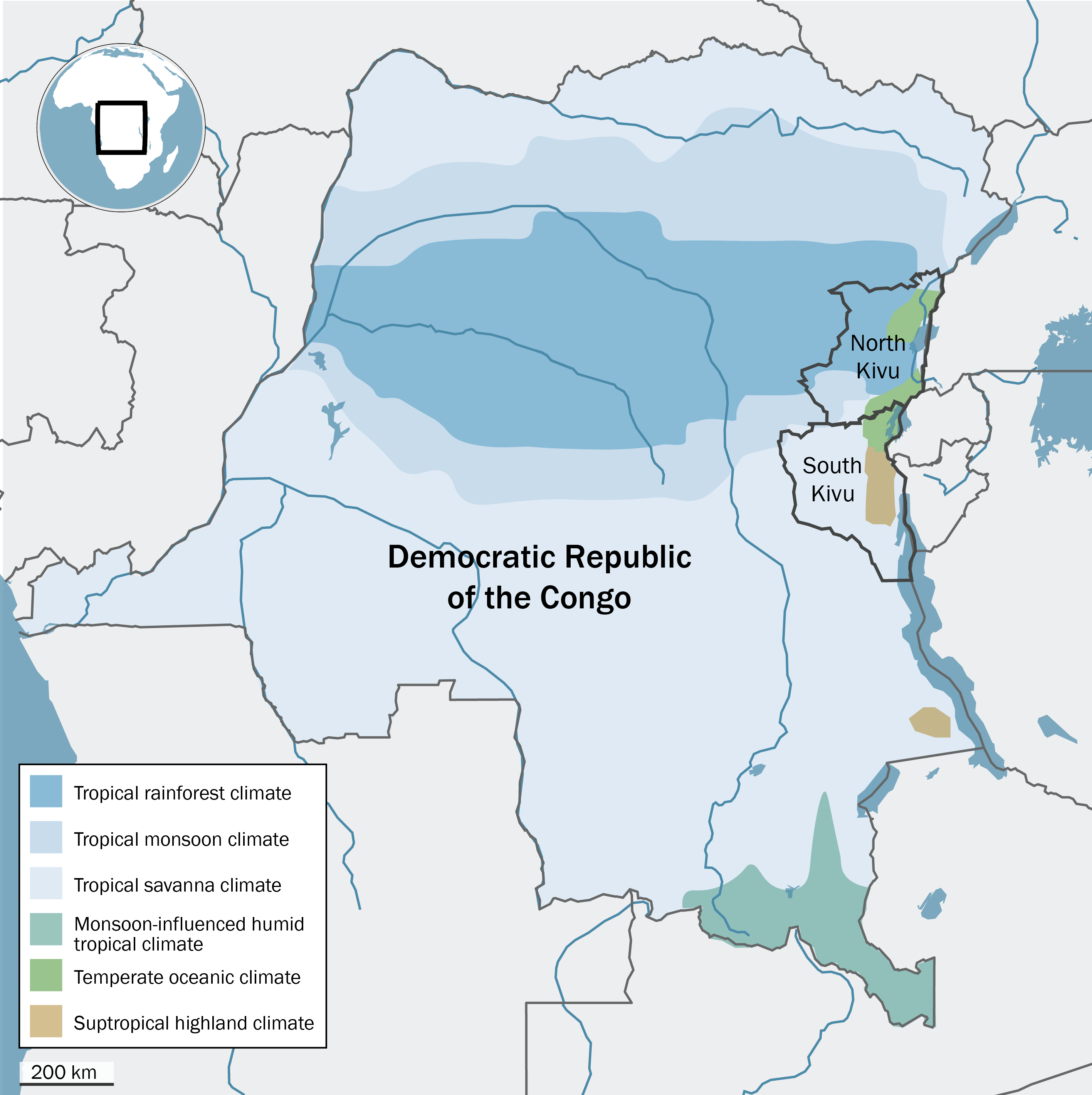
Figure 1. Overview of the Democratic Republic of the Congo’s climate zones
Source: World Bank Group, Climate Change Knowledge Portal, ‘Congo, Dem. Rep.: Country summary’, accessed 25 Feb. 2025.
Temperature trends and projections
Average temperatures in eastern DRC are estimated to range from 24–25 degrees Celsius.22 Over the last decade, there has been an observed increase in temperatures in the region, with a noticeable impact during the dry seasons.23 The observed temperature increase aligns with broader global warming trends.24 Future projections show continued warming in eastern DRC, with annual average temperatures expected to increase by 1.4–2.1°C between 2036 and 2065 under low-emission scenarios and between 1.8–2.7°C for the same period under high-emission scenarios (see figure 2 for national average mean temperature projections).25
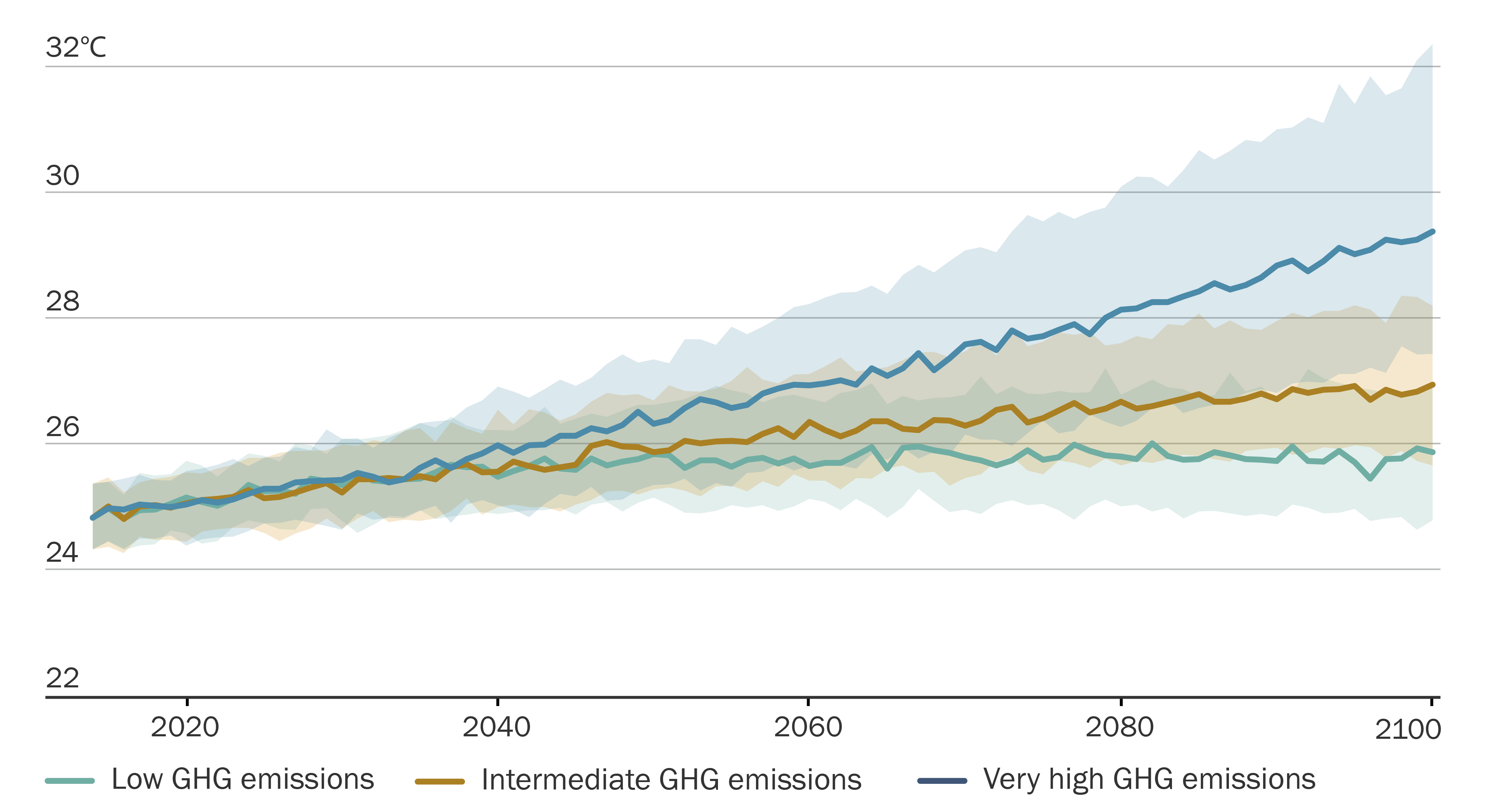
Figure 2. Projected average mean temperature in the Democratic Republic of the Congo, by emission scenario
GHG = greenhouse gas.
Source: World Bank Group, Climate Change Knowledge Portal, ‘Congo, Dem. Rep.: Mean projections’, accessed 25 Feb. 2025.
Rising temperatures are expected to result in an increase in the number of hot days, more frequent dry spells and prolonged heatwaves, particularly during the dry season. This could lead to periodic droughts, impacting water availability and key economic sectors such as agriculture, livestock farming and fishing. This would in turn exacerbate heat stress and negatively impact human health, especially given the region’s limited adaptive capacity.26
Precipitation trends and projections
Overall, the DRC experiences high levels of rainfall, with relatively consistent precipitation along the equator.27 In recent years, however, observed rainfall patterns (trends) in the eastern region have become less predictable, with rainy seasons characterized by occasional delays and shorter periods of rainfall, as highlighted during discussions at the workshop in Bukavu.28 These discussions are also supported by scientific studies conducted in parts of the region, which note significant trends and variations in rainfall patterns over the past four decades. The studies indicate a shift from predominantly wet conditions in the 1980s to drier conditions in subsequent decades, with more than half the years between 1990 and 2023 experiencing below-average rainfall.29 Beyond the shift to drier trends, erratic and torrential rainfall has also led to increased soil erosion, landslides and flash flooding in the region.30 Rising water levels in Lake Kivu and Lake Tanganyika from heavy rainfall contribute to flooding and coastal erosion in the surrounding areas, as noted by the workshop participants.
Projections for rainfall in eastern DRC vary. Some models indicate substantial decreases in rainfall, while others suggest increases with shorter and more intense rainfall periods, delayed onsets and abrupt endings.31 An increase in high-intensity rainfall is likely to result in more frequent flooding, particularly in areas with poor drainage or steep, landslide-prone slopes. This could disrupt traditional planting and harvesting cycles, posing significant challenges for agricultural planning, including the destruction of critical infrastructures.32 A decrease in rainfall over consecutive years could affect water levels and the two main lakes, potentially leading to the closure of a lake outlet on the Ruzizi River that will impact the water intake of Lake Tanganyika.33 In addition, warmer temperatures and rainfall variability can directly influence the dynamics of various infectious diseases, including vector-borne diseases and certain waterborne illnesses like cholera, as well as soil-borne and foodborne pathogens.34
These trends and projections underscore the need for proactive adaptation strategies to enhance resilience across communities in eastern DRC, especially given the region’s exposure to the effects of climate change and the challenges posed by ongoing conflict and socio-economic vulnerabilities.35
Vulnerability to climate change
Vulnerability to climate change refers to the extent to which a human system is susceptible to or unable to cope with the adverse effects of climate change.36 It comprises three key components: exposure, sensitivity and adaptive capacity. These components help clarify the concept by illustrating how communities are exposed to climate-related extreme weather, how their livelihoods are sensitive to climatic changes, and how their adaptive capacity shapes their ability to respond to and cope with such impacts.37
Eastern DRC is exposed to a range of climate-related effects, particularly increases in temperature, extreme weather events and natural hazards, including floods, droughts, soil erosion and landslides, all of which contribute to the region’s vulnerability and pose ongoing challenges for communities. Beyond this exposure, several factors contribute to a heightened vulnerability to climate change, including a heavy reliance on climate-sensitive livelihoods and socio-economic sectors.38 For example, some of the main sources of livelihood revolve around climate-sensitive sectors such as rain-fed agriculture, fishing, forest products and trade.39 The impacts of climate change hinder agriculture activities and are intensifying pressures on livelihoods for both rural and urban populations, exacerbating poverty and food insecurity in the region.
Political instability and weak state institutions, including a lack of trust in government and state institutions, affect vulnerability, particularly by reducing the adaptive capacity and opportunities for building long-term resilience to climate-related challenges.40 Efforts to adapt to climate change are also hampered by inadequate information on its impacts, insecure property rights, limited access to credit, poor infrastructure, insufficient agricultural inputs and restricted market access.41
Poverty and insecurity-related displacement, which is driving rural communities to move to urban peripherals, temporal shelters and host families in rural areas, are also key drivers of individual and household vulnerability, as they limit access to essential resources and increase marginalization, reducing people’s ability to adapt and recover from extreme weather events.42 Factors such as age, gender, educational attainment, farming experience, land ownership and participation in alternative income-generating activities play significant roles in shaping the ability to adapt to changing climate conditions.43 Rural communities, particularly women, girls, young men, boys and people living with disability, were cited during the workshop and key informant interviews as the most vulnerable to climate change in the region.44
Human-induced land and water body degradation equally contribute to heightened vulnerability in the region, which in the long run may affect the adaptive capacity of the population in eastern DRC. For example, land use change, logging, charcoal production, mining activities and armed conflict contribute to deforestation and biodiversity loss, adversely affecting communities reliant on natural resources.45 In addition to land, forest and agriculture, the lakes in North and South Kivu are vital ecosystems with significant economic value, providing livelihoods to millions in the region.
The Lake Kivu catchment supports approximately 2.7 million people on the DRC side, with the majority concentrated around Goma and Bukavu.46 Lake Kivu is a vital resource for hydropower, methane energy, fisheries, aquaculture, transport and tourism. It also contributes significantly to the river systems, mainly via the Ruzizi River that flows into Lake Tanganyika, underscoring its ecological importance. However, Lake Kivu faces numerous challenges, including pollution, habitat destruction, illegal fishing and overfishing, a lack of harmonized transnational fishing regulations, and climate change.47 Pollution from untreated domestic waste, industrial waste and plastic, especially from rapidly growing cities like Goma and Bukavu, is degrading the lake’s water quality. The increasing human population and urban expansion within the catchment have exacerbated these issues, threatening the lake’s ecosystem and the livelihoods it supports.48
Addressing and ensuring an effective water management system to maintain the ecological function of Lake Kivu is crucial for supporting livelihoods, especially during crises such as crop failures. The lake can provide a buffer through fishing, tourism and other activities, offering an alternative source of livelihood.
IV. Climate-related security risks in eastern DRC
In this paper, climate-related security risks refer to how the impacts of climate change interact with social, economic and political issues, creating risks for human security and peace dynamics in eastern DRC.49 Climate change does not directly cause conflict, but it can impact human security and undermine development, and it may exacerbate ongoing conflicts and disrupt fragile peace processes.50 Conversely, violent conflict and instability can weaken community resilience and hinder communities’ ability to adapt to the effects of climate change. There is limited information and a general lack of evidence on the ways in which, or the extent to which, the impacts of climate change exacerbate conflict dynamics or affect the prospects for peace in eastern DRC. To contextualize the climate-related security risks in North and South Kivu, this section relies heavily on primary data gathered from the climate, security and peacebuilding workshop in Bukavu and key informant interviews with local stakeholders.
The analysis is structured around SIPRI’s four main pathways of climate insecurity, which also served as the theoretical framework for the workshop discussions: (a) livelihood deterioration, (b) displacement and changes in mobility patterns, (c) armed groups’ activities linked to resource exploitation and recruitments, and (d) elite exploitation and mismanagement.51 This framework was used to explore how and under what circumstances the impacts of climate change may pose risks to human security and peace efforts in eastern DRC. A lack of or weak state authority, existing vulnerabilities, insecurity and ethnic tensions were cited by the workshop participants and key informants as significant intervening factors for climate-related security risks in the region.
Livelihood deterioration
Livelihoods are a critical link between climate change and conflict. Economic hardship and declining livelihoods driven by changing rainfall patterns, droughts and floods may heighten the risk of conflict in fragile contexts, particularly in areas dependent on climate-sensitive livelihoods. The adverse effects of climate change on livelihoods intensify hardships and deepen grievances, particularly among marginalized groups. In the absence of alternative income sources, individuals may resort to violence to secure or access vital natural resources, as observed in other contexts outside the DRC.52
In eastern DRC, climate change exacerbates livelihood challenges and food insecurity, worsening the humanitarian crisis and compounding the region’s complex conflict dynamics. As outlined in section III, research shows that in North and South Kivu, climate impacts such as declining soil fertility and disruptions to agricultural cycles are increasingly evident.53 These factors lead to reduced crop yields, the decreased availability of forest-based foods like caterpillars, mushrooms and honey, and significant income losses, all of which aggravate food insecurity.
While the mechanisms through which climate change undermines livelihoods are well studied, the specific ways this contributes to conflict dynamics in eastern DRC remain less clear. However, the loss of livelihoods, driven in part by a changing climate and extreme weather events, increases pressure on arable land and water resources, thereby exacerbating pre-existing competition and tensions over access and use. During the workshop in Bukavu, participants highlighted that climate-related income and food losses are intensifying disputes between large landowners and local smallholders, as well as conflicts over livestock grazing and transhumance practices.54 One key informant provided an illustrative example of this dynamic:
Villages here in the eastern part of Congo are facing difficulties in producing food [due to erratic rainfall patterns], and some are beginning to seek food from other villages. If they are not welcomed in those villages, conflicts arise over farming land. I believe this is one of the causes of conflict in North Kivu between Congolese communities.55
Additional examples of conflicts in areas around the Rutshuru and Masisi territories were cited during the workshop, where multiple sources of tension and conflict are exacerbated by livelihood losses, some linked to climate change and the presence of M23. In particular, the exploitation of forest resources is a major source of conflict. Forests provide both land for agriculture and sites for mineral extraction and charcoal production. As communities seek to exploit these resources, disputes arise when they encroach on land that does not belong to them, leading to tensions and conflicts. These tensions may be between community groups and park rangers or government authorities, or between different ethnic groups.56 Resource-based conflicts are already prevalent in the region, but the added pressure from climate change, as indicated by future projections, will likely intensify them further. With continued land and water degradation, some groups may increasingly resort to violence to access or protect natural resources within their reach.
Connections were also made between the loss of livelihoods due to climate change and misinformation, with the latter fuelling tensions, particularly among fishermen, albeit on a smaller scale. In Bukavu, fishermen accuse each other of using magic to sabotage fishing efforts. However, the actual disruptions to fishing are often caused by changes in rainfall patterns or plastic pollution in Lake Kivu, which worsens during floods.57
Displacement and changes in mobility patterns
Climate-related extreme weather events and disasters contribute to displacement and shifts in mobility patterns, which in turn may heighten tensions and increase conflict risks in communities in eastern DRC. Armed conflict, particularly the resurgence of M23 in North Kivu, has driven large-scale displacement, while climate-related disasters such as floods and landslides in South Kivu have also caused displacement, albeit on a smaller scale. North Kivu hosts over 2.4 million IDPs—the highest number in the DRC—while South Kivu hosts more than 1.4 million, including over 100 000 displaced by climate-related events.58
Overcrowded IDP sites often lack essential services, worsening the spread of diseases and straining humanitarian efforts.59 In South Kivu, some displaced populations also reside with host families. In some cases, the large influx of IDPs has further increased the pressure on already limited resources, created tensions and heightened conflict risks with host communities. For instance, in the Kalehe territory in South Kivu, floods and landslides in May 2023 caused widespread devastation, killing over 400 people and displacing thousands in the villages of Nyamukubi and Bushushu.60 Over a year later, tensions have escalated between the displaced and host communities in Kalehe. As one key informant explained: ‘Some of the children of displaced people who were affected by floods and landslides go and steal cows and chickens from the host communities, and this situation creates tensions between host communities and those displaced in this area.’61 This example aligns with research findings that disasters strain resources, and without adequate post-disaster recovery measures, the deterioration of basic services in fragile communities can fuel grievances and increase the risk of conflict.62
The effects of climate change, particularly changes in the availability of pasture and water, are altering transhumance patterns in the region and intensifying tensions and conflicts between farmers and herders. In the Ruzizi plain, recurring droughts are reshaping transhumance patterns, exacerbating existing identity conflicts and fostering new conflict dynamics.63 Competition for access to water for irrigation and livestock is becoming an increasingly pronounced source of tension in the Ruzizi plain, partly due to climate change, rainfall variations and longer periods of drought.64
Armed group activities
Climate change and weather conditions can shape armed groups’ activities and in turn influence the dynamics of ongoing conflict. For instance, these groups may exploit stressed livelihoods, including those worsened by the impacts of climate change, for recruitment or to position themselves as alternative service providers in areas with weak state presence. While the full extent of how climate change affects armed groups’ activities in eastern DRC remains unclear, it is evident that their activities contribute to environmental degradation and biodiversity loss. They also exacerbate human insecurity, in some cases exploiting people’s hardship for recruitment purposes.65
Armed conflict and the insecurity posed by these groups can limit livelihood options, worsen food security and increase people’s vulnerability to climate change impacts in the region. For example, restricted access to M23-controlled areas and blocked routes have disrupted food production and supply chains, leading to rising food prices in Goma. In Masisi, more tax checkpoints and increasing insecurity have further limited agricultural activities, threatening livelihoods and food security.66 More recently, the escalation of conflict and violent clashes which erupted in January 2025 have worsened human security in the two provinces. Thousands have been killed or injured, livelihoods have been disrupted, and mass displacement and re-displacement have surged.67 Disruptions to livelihoods and essential services risk worsening people’s vulnerability and may further heighten the risks and severity of future climate shocks, fuelling a deeper cycle of human insecurity in eastern DRC.
The link between the activities of armed groups and environmental degradation in the region centres around the control and exploitation of natural resources and minerals, in particular gaining access to protected areas and forests, which are rich in resources needed to finance armed groups’ activities.68 In areas like Lubero and Beni, the ADF and other armed groups exploit cocoa production to fund their operations. In Nyiragongo, Rutshuru and Goma, armed groups exploit forest and mineral resources, worsening ecosystem degradation and community insecurity. In Kalehe, armed groups leverage conflict to exploit resources such as wood, minerals and wildlife.69
As well as focusing on resource exploitation, armed groups employ various tactics to recruit community members, particularly young men and, in some cases, young women in eastern DRC. Poor living conditions and limited economic opportunities are two of the contributing factors driving youth recruitment into these groups, although not all youths living on the margins will join them.70 In the Walikale territory, armed conflict hampers communities’ access to arable land due to insecurity and threats of violence. This worsens livelihood conditions and creates a precarious situation for communities, in some cases influencing recruitment into armed groups.71
Increased livelihood insecurity linked to climate change and other shocks may also create more opportunities for recruitment, as highlighted by the key informant interviews: ‘In several parts of North Kivu, where people lack employment opportunities, even in agriculture, villages that were once used for farming are now controlled by armed groups due to insecurity. As livelihoods become inaccessible, many are forced to join armed groups.’72
Elite exploitation and mismanagement
Climate change disproportionately affects marginalized groups, who often lack the resources and capacity needed to adapt. It exacerbates existing inequalities and vulnerabilities, fuelling grievances that can be exploited by those with wealth, power or influence. Mismanagement, inadequate responses and exploitation can further escalate these grievances, leading to violence and conflict, as observed in other contexts.73
In eastern DRC, political and local elites exploit instability to gain access to and control over resources, often in collaboration with armed group leaders. These elites use their positions to safeguard personal interests and expand political influence. In some cases, elites deliberately foster instability to advance their agendas, relying on armed groups to intimidate rivals and bolster their reputation. This dynamic perpetuates a cycle of violence driven by competition for power and patronage.74
Climate stressors, including the loss of fertile land and increasing pressures on arable land, exacerbate the risk of exploitation, particularly in relation to transhumance activities and disputes over access to resources.75 Land conflicts, a major driver of violence in the region, are often intensified by land appropriation by political and economic elites who leverage influence and affiliations to consolidate their control. Climate change is likely to increase such tensions over land and other productive resources. There are already reports that, in some cases, local elites exploit environmental crises and natural disasters, further aggravating community grievances.76
The interplay between elite exploitation, climate stressors and resource pressures creates a potent enabler for climate-related security risks. While the precise extent to which this dynamic contributes to insecurity in eastern DRC remains insufficiently established, it is clear that elite exploitation and mismanagement can exacerbate existing vulnerabilities and grievances. Corruption, weak state authority, mismanagement and elite exploitation were repeatedly cited by workshop participants and key informants as significant sources of grievances. These issues perpetuate a cycle of mistrust in government authorities and further undermine efforts to address insecurity and climate-related challenges.77
V. The gender and youth dynamics of climate insecurity in eastern DRC
Gender plays a crucial role in understanding how different groups are impacted by climate-related security risks. Gender norms and power dynamics can either amplify or reduce these risks, shaping both vulnerability and agency in responding to the intersection of climate change and conflict.78 In eastern DRC, climate change disproportionately impacts women, increasing their traditional responsibilities in managing households, farming and accessing critical resources such as food, water and firewood.79 One key informant highlighted this burden in the context of flooding: ‘When the floods came to Kalehe last year, they destroyed markets, and most of the people in the markets were women who lost their livelihoods. Women are forced to travel long distances, for instance, in Ruzizi plain, they must travel many kilometres to find water and firewood, which is a huge burden.’80
Despite bearing these responsibilities, women often lack access to and ownership of the resources needed to address climate challenges effectively. Cultural and traditional norms limit their rights to land, which is essential for farming and food production. As one informant explained:
The tradition [cultural norms] gives wives and women the responsibility of collecting water, gathering firewood, and cultivating the land in our areas, but it does not grant them access and ownership to these resources. Owning land is difficult for women. Without land, you cannot have a farm and produce food. Women are more affected, yet they are not allowed to fight, even though some are resilient.81
Cultural norms further hinder women’s participation in climate action, with some fearing social consequences for engaging in activities like reforestation.82 Despite these challenges, women often play a significant role in climate action, participating in renewable energy initiatives and clean cooking solutions to reduce pressure on forest resources, for example.83 Women in eastern DRC also actively contribute to resolving conflict and fostering peace. They lead local peace committees, promote social cohesion, support family economies and drive societal development.84
Young people are similarly disproportionately affected by climate change and insecurity in eastern DRC. These issues disrupt their lives, preventing many from attending school or staying in their homes due to floods, displacement or armed group activities. Displacement often leaves youth struggling to find food or sources of income, pushing some towards illicit activities such as crime or joining armed groups.85 According to government estimates shared during the workshop, young men make up around 60 per cent of armed group members and are heavily involved in the illicit exploitation of resources. Armed groups also forcibly recruit children and youth for their operations.86 One key informant described these dynamics as follows:
When armed groups raided the villages in Shabunda, people had to flee to the forest to escape, fearing for their lives. However, when armed groups invade villages like this, they target youth, including both boys and girls. Girls are often taken into sexual slavery, while boys are forced to assist in fighting. Both boys and girls are exploited at mining sites, where they are used to extract resources, which are then sold to fund the conflict.87
Nevertheless, young people in eastern DRC also play a crucial role in fostering peace and climate action. Some of the examples of existing initiatives led by young people include forest restoration; advancing climate justice; supporting sustainable agriculture and conservation efforts; cleaning up plastic and waste materials in Lake Kivu; advocating for inclusive policies; and raising awareness of and building capacity to deal with the links between climate change and insecurity.88
The existing women- and youth-led climate and peacebuilding initiatives in eastern DRC indicate that these groups can play a pivotal role in addressing climate-related security risks if they are adequately supported.
VI. Recommendations
This section outlines a set of recommendations identified during discussions with workshop participants and key informants. These recommendations emphasize key areas of support and action necessary to advance climate-related security risks considerations in conflict prevention, peacebuilding and stabilization efforts in eastern DRC. They are targeted at donors, policymakers, and humanitarian, peace and development organizations that support local conflict prevention and peacebuilding efforts. The recommendations are to: (a) support climate-resilient livelihood activities as core components of local peacebuilding; (b) raise awareness of climate-related security risks, and build the capacity of local peacebuilding actors to integrate climate and environmental considerations; and (c) develop an institutional platform to coordinate climate, peace and security activities, and improve trust building between and among local actors and state authorities at the provincial and territorial level.
Support climate-resilient livelihood activities as core components of local peacebuilding
Livelihood insecurity is a major concern and a key factor contributing to climate-related security risks in eastern DRC. Donors, policymakers and implementing agencies across the humanitarian, development and peacebuilding sectors must prioritize activities that enhance livelihood security through, for example, supporting climate-resilient livelihood activities.
Research on environmental peacebuilding shows that incorporating climate-resilient livelihood activities into peace processes can yield significant benefits.89 Promoting diverse climate-resilient income-generating opportunities in conflict-affected regions can help address livelihood insecurity and vulnerability and mitigate resource-related conflicts.90 In the case of the DRC, the promotion of climate-resilient livelihood activities could be integrated into existing reintegration programmes. One key informant responsible for implementing such a programme at the provincial level expressed a strong interest in integrating climate considerations and exploring options for viable, climate-resilient livelihoods during the implementation process. This interest comes in the context of previous efforts related to reforestation and forest-based activities, which were considered only partially successful due to the ongoing proliferation of armed groups and their recruitment activities.91 In other geographical areas, providing alternative climate-resilient livelihoods has yielded some success in reintegrating ex-combatants. For example, in the Sahel, cultivating drought-tolerant trees such as the acacia gum tree that provides gum Arabic has offered a sustainable income source for former fighters, aiding their community integration.92
Donors, policymakers and practitioners should prioritize viable, sustainable and climate-resilient strategies for livelihood diversification and adaptation that are tailored to community needs and contribute to long-term peacebuilding. Some of the examples discussed by workshop participants and key informants in the context of eastern DRC included supporting agroforestry, promoting value chains and improving access to markets, which can act as buffers during climate crises.93 These activities should also consider the needs of diverse groups, including women and girls, youth, and persons with disabilities. However, sustaining livelihood and adaptation programmes in insecure areas remains a challenge, making it essential to prioritize conflict reduction and security alongside these efforts.
Strengthen awareness and capacity building
In order to address climate-related security risks, it is crucial to raise the awareness of such risks and build the capacity of local actors involved in conflict prevention, peacebuilding and stabilization efforts and those focused on environmental and climate action. It is essential to foster local interventions that identify and design initiatives to address climate-related challenges in climate- and conflict-affected areas, such as eastern DRC. As part of this study, many local stakeholders expressed the need to strengthen their understanding of the links between climate change issues and security and to be supported with tools that would help them effectively integrate such considerations into their activities.94
With this aim, targeted capacity-building initiatives should be implemented to educate local organizations, non-governmental organizations (NGOs), women and youth groups, and community leaders on the impacts of climate change on peace and security in eastern DRC. Training programmes should focus on equipping these actors with the necessary tools, skills and knowledge of how to integrate climate and environmental considerations into their peacebuilding activities and how to conflict-sensitize their environment and climate action. Improving access to data on climate change and insecurity, including developing or utilizing existing regional early-warning tools or systems, was emphasized by local actors during the workshop discussions and key informant interviews. This would help identify risks and produce locally led risk analyses that can inform programming, as well as support ongoing risk assessments.
Additionally, financial support should be provided by donors and funding agencies to local and grassroots organizations to further facilitate their work on climate-related security risks in the region. Promoting local capacity with adequate support and a broad understanding of the linkages between climate, peace and security may empower communities to take proactive measures in protecting the environment, building resilience and mitigating climate-related security risks.
Create an institutional platform for climate, peace and security
Climate, peace and security was a relatively new theme for most of the local actors who participated in the workshop and key informant interviews. The workshop itself provided a platform for actors from both the environment and climate sectors, as well as those involved in conflict prevention and peacebuilding. Crucially, it also offered an opportunity to exchange ideas and engage with local NGOs, activists and representatives of government at the provincial level. This level of interaction was highly welcomed, with the workshop participants emphasizing that such cross-cutting exchanges should be further encouraged. They suggested creating a formal institutional platform led by local actors with strong networks in eastern DRC. The purpose of this platform would be to foster discussions, facilitate exchanges and generate synergies and collaborative processes on climate, peace and security between government authorities and local NGOs.
As well as helping coordinate efforts, such a platform would be an opportunity to build relationships between local and state actors. A key component of the initiative would be the intentional incorporation of trust-building and social capital activities that strengthen inter- and intracommunity relations at the territorial level, as well as strengthening relations with state authorities. While social capital can sometimes reinforce power imbalances and inequality, it also has the potential to foster trust, facilitate information sharing and promote common values, all of which can improve governance and reduce conflict risks.95 Moreover, it can empower marginalized communities to participate in decision making, which in turn enhances the credibility and sustainability of interventions.
The key informant discussions predominantly highlighted the lack of trust driven by a patronage-based political system and weak state institutions. As a result, the proposed platform could serve as a vital mechanism to bridge the gap between local populations and the government, particularly in addressing and finding solutions to the most pressing challenges related to insecurity, armed conflict and the climate crisis. The relevant literature shows that where there are low levels of trust, creating social capital through bridging and linking techniques—such as a platform on climate, peace and security—can yield positive results in terms of the prospects for trust building and peace.96 There are examples where such deliberate mechanisms and platforms have both positively impacted trust building and been leveraged to improve the governance and management of shared natural resources in conflict-affected areas.97
Government institutions, with support from partners, donors and international organizations, can play a facilitative role in helping set up such an institutional platform. However, it is also essential to include local communities and underrepresented groups, such as people with disabilities and Indigenous populations, in the creation of the platform.
Endnotes
- 1 Folke Bernadotte Academy (FBA), Réseau CREF and Strong Roots Congo, ‘Climate related security risks in eastern DRC: Local perspectives from North and South Kivu provinces’, Oct. 2023; Mudinga, E. et al., ‘Climate change and conflict in the Ruzizi Plain (DRC)’, KLIMSEC Research Report, 2024; Vinke, K. et al., ‘Climate and environmental security in the Democratic Republic of Congo’, German Council on Foreign Relations (DGAP) Report no. 3, Apr. 2023; and Iversen, T. O. et al., ‘Climate, Peace and Security Fact Sheet: Democratic Republic of the Congo (2023)’, NUPI and SIPRI, Nov. 2023.
- 2 Mudinga et al. (note 1); Iversen et al. (note 1); and Vinke et al. (note 1).
- 3 World Bank Group, ‘The World Bank in DRC: Overview’, accessed 24 Nov. 2024.
- 4 Notre Dame Global Adaptation Initiative (ND-GAIN), ‘ND-GAIN Index country rankings 2022’, accessed 13 Feb. 2025; and World Bank Group, Climate Risk Country Profile: Congo, Democratic Republic (World Bank Group: Washington, DC, 2021).
- 5 International Organization for Migration (IOM), ‘Democratic Republic of the Congo—Internal Displacement Report: 26 Provinces, June–August 2024’, IOM Displacement Tracking Matrix, Oct. 2024.
- 6 United Nations, Security Council, ‘United Nations Organization Stabilization Mission in the Democratic Republic of the Congo: Report of the Secretary-General’, S/2020/689, 20 Sep. 2024; and UN Office for the Coordination of Humanitarian Affairs (OCHA), ‘Democratic Republic of the Congo’, accessed 11 Nov. 2024.
- 7 World Bank Group (note 4); Balasha, A. M. et al., ‘Understanding farmers’ perception of climate change and adaptation practices in the marshlands of South Kivu, Democratic Republic of Congo’, Climate Risk Management, vol. 39 (Jan. 2023); Mudinga et al. (note 1); and Iversen et al. (note 1).
- 8 FBA, Réseau CREF and Strong Roots Congo (note 1).
- 9 Climate, security and peacebuilding workshop, Bukavu, South Kivu, 27–29 May 2024. This was organized as part of an ongoing initiative by FBA and its partners in the DRC (Life & Peace Institute, Strong Roots Congo and Réseau CREF) that aims to highlight issues of climate insecurity and their conflict implications in eastern DRC, particularly in the provinces of North and South Kivu. The workshop built on SIPRI’s theoretical framework of assessing climate-related security risks using four identified pathways of climate insecurity; Mobjörk, M., Krampe, F. and Tarif, K., ‘Pathways of climate insecurity: Guidance for policymakers’, SIPRI Policy Brief, Nov. 2020.
- 10 The author conducted five key informant interviews (KIIs) online with a diverse group of stakeholders. KII no. 1, Gender and climate activist from a local non-governmental organization (NGO), Interview with author, 11 Oct. 2024; KII no. 2, Representative of a provincial government authority focused on peacebuilding and stabilization, Interview with author, 11 Oct. 2024; KII no. 3, Local NGO representative specializing in conservation and peacebuilding, Interview with author, 17 Oct. 2024; KII no. 4, Climate and youth activist, Interview with author, 27 Oct. 2024; and KII no. 5, Youth representative advocating for diversity, equity and inclusion in climate- and conflict-affected areas, Interview with author, 31 Oct. 2024.
- 11 Verweijen, J. et al., The Ruzizi Plain: A Crossroads of Conflict and Violence, Insecure Livelihoods Series (Governance in Conflict Network: Gent, 2021); Stearns, J., North Kivu: The Background to Conflict in North Kivu Province of Eastern Congo (Rift Valley Institute: London, 2012); Vlassenroot, K., South Kivu: Identity, Territory, and Power in the Eastern Congo (Rift Valley Institute: London, 2013); Karbo, T. and Mutisi, M., ‘Ethnic Conflict in the Democratic Republic of Congo (DRC)’, eds D. Landis and R. D. Albert, Handbook of Ethnic Conflict: International Perspectives (Springer: Boston, MA, 2012); and Ntung, A., ‘Dynamics of local conflict in the Democratic Republic of Congo: Challenges ahead for President Félix Tshisekedi Tshilombo’, Fletcher Forum of World Affairs, vol. 43, no. 2 (2019).
- 12 Verweijen et al. (note 11); and Stearns J. K. and Vogel, C., ‘The landscape of armed groups in the eastern Congo’, Center on International Cooperation, Dec. 2015.
- 13 Stearns (note 11).
- 14 Serwat, L., ‘Conflict Watchlist 2023—Democratic Republic of Congo: Rising tensions with Rwanda amid escalating violence and upcoming elections’, Armed Conflict Location & Event Data (ACLED), 8 Feb. 2023.
- 15 ‘Wazalendo add to eastern DRC’s complex brew of combatants’, Africa Defense Forum (ADF), 16 Jan. 2024.
- 16 International Federation of Red Cross and Red Crescent Societies (IFRC), ‘Democratic Republic of Congo, Africa—Population movement: 6-months update (MDRCD043)’, 13 Nov. 2024
- 17 United Nations, Security Council (note 6).
- 18 UN High Commissioner for Refugees (UNHCR), ‘Protection brief: Democratic Republic of the Congo’, Feb. 2025.
- 19 OCHA (note 6); and UNHCR (note 18).
- 20 Congolese Deputy Prime Minister’s Office and Ministry of the Environment and Sustainable Development, National Adaptation Plan to Climate Change (2022-2026), Nov. 2021.
- 21 Dutch Ministry of Foreign Affairs, Climate Change Profile: Democratic Republic of the Congo (East) (Dutch Ministry of Foreign Affairs: The Hague, Apr. 2018).
- 22 Dutch Ministry of Foreign Affairs (note 21).
- 23 KII no. 4 (note 10); KII no. 5 (note 10); and Climate, security and peacebuilding workshop (note 9).
- 24 Intergovernmental Panel on Climate Change (IPCC), Climate Change 2023: Synthesis Report. Contribution of Working Groups I, II and III to the Sixth Assessment Report of the Intergovernmental Panel on Climate Change (IPCC: Geneva, 2023); and World Bank Group (note 4).
- 25 Dutch Ministry of Foreign Affairs (note 21).
- 26 Congolese Deputy Prime Minister’s Office and Ministry of the Environment and Sustainable Development (note 20).
- 27 World Bank Group (note 4).
- 28 Climate, security and peacebuilding workshop (note 9); KII no. 4 (note 10); and KII no. 1 (note 10).
- 29 Ahana, B. S. et al., ‘Changing rainfall patterns in the northeastern South Kivu region, Democratic Republic of Congo: A detailed analysis using CHIRPS rainfall data (1981–2023)’, Earth Systems and Environment, vol. 8 (2024).
- 30 Climate, security and peacebuilding workshop (note 9); Amani, R. K. et al., ‘Climate change perceptions and adaptations among smallholder farmers in the mountains of eastern Democratic Republic of Congo’, Land, vol. 11, no. 5 (May 2022); Balasha et al. (note 7); and Bagalwa, R. M. et al., ‘Spatial and seasonal patterns of rainfall erosivity in the Lake Kivu region: Insights from a meteorological observatory network’, Progress in Physical Geography: Earth and Environment, vol. 45, no. 6 (Dec. 2021).
- 31 Ahana et al. (note 29); Amani et al. (note 30); Muvundja, F. A. et al., ‘Modelling Lake Kivu water level variations over the last seven decades’, Limnologica, vol. 47 (May 2014); Balasha et al. (note 7); Bagalwa et al. (note 30); and World Bank Group (note 4).
- 32 Congolese Deputy Prime Minister’s Office and Ministry of the Environment and Sustainable Development (note 20); and Akilimali, J. B., ‘Le drame de Kalehe, RDC. Etude des interactions entre changement climatique, prévention publique et sécurité humaine dans le Kivu’ [The drama in Kalehe, DRC. Study of the interactions between climate change, public prevention and human security in Kivu], Revue Congolaise des Sciences Humaines et Sociales, vol. 3, no. 1 (2024); and World Bank Group (note 4).
- 33 Amisa, M. F. et al., ‘Current status and strategic way forward for long-term management of Lake Kivu (East Africa)’, Journal of Great Lakes Research, vol. 49, no. 6 (Dec. 2023); Descy, J.-P. et al., East African Great Lake Ecosystem Sensitivity to Changes, Final report (Belgian Science Policy: Brussels, 2015); and Muvundja et al. (note 31).
- 34 Caminade, C., McIntyre, K. M. and Jones, A. E., ‘Impact of recent and future climate change on vector-borne diseases’, Annals of the New York Academy of Sciences, vol. 1436, no. 1 (Aug. 2018).
- 35 Congolese Deputy Prime Minister’s Office and Ministry of the Environment and Sustainable Development (note 20).
- 36 Möller, V. et al. (eds), ‘Annex II: Glossary’, eds H.-O. Pörtner et al., Climate Change 2022: Impacts, Adaptation and Vulnerability, Contribution of Working Group II to the Sixth Assessment Report of the IPCC (Cambridge University Press: Cambridge, UK/New York, NY, USA, 2022).
- 37 Gabrielsson, S., Brogaard, S. and Jerneck, A., ‘Living without buffers—illustrating climate vulnerability in the Lake Victoria basin’, Sustainability Science, vol. 8, no. 2 (2013).
- 38 Congolese Deputy Prime Minister’s Office and Ministry of the Environment and Sustainable Development (note 20); and World Bank Group (note 4).
- 39 Famine Early Warning Systems Network (FEWS NET), ‘Consolidated report on the livelihood zones of the Democratic Republic of Congo’, accessed 20 Nov. 2024; and FEWS NET, ‘DRC livelihood zone map’, 15 Nov. 2024.
- 40 Bele, M. Y., Sonwa, D. J. and Tiani, A. M., ‘Local communities’ vulnerability to climate change and adaptation strategies in Bukavu in DR Congo’, Journal of Environment & Development, vol. 23, no. 3 (Sep. 2014).
- 41 Bele, Sonwa and Tiani (note 40).
- 42 Bele, Sonwa and Tiani (note 40); and IOM (note 5).
- 43 Bele, Sonwa and Tiani (note 40).
- 44 Climate, security and peacebuilding workshop (note 9).
- 45 Butsic, V. et al., ‘Conservation and conflict in the Democratic Republic of Congo: The impacts of warfare, mining, and protected areas on deforestation’, Biological Conservation, vol. 191 (2015); Ladewig, M. et al., ‘Deforestation triggered by artisanal mining in eastern Democratic Republic of Congo’, Nature Sustainability, vol. 7, no. 11 (2024); and Musumba Teso, P., Malengera, K. and Karume, K., ‘Key factors driving deforestation in North-Kivu province, eastern DR-Congo using GIS and remote sensing’, American Journal of Geographic Information System, vol. 8, no. 1 (2019).
- 46 Muvundja et al. (note 31).
- 47 Muvundja et al. (note 31); Akonkwa, B. et al., ‘Climate change and its impact on the fisheries in Lake Kivu, East Africa’, Journal of Biodiversity and Environmental Sciences, vol. 6, no. 2 (2015); and Bisimwa, A. M. et al., ‘Water quality assessment and pollution source analysis in Bukavu urban rivers of the Lake Kivu basin (Eastern Democratic Republic of Congo)’, Environmental and Sustainability Indicators, vol. 14 (June 2022).
- 48 FEWS NET (note 39).
- 49 Remling, E. and Barnhoorn, A., ‘A reassessment of the European Union’s response to climate-related security risks’, SIPRI Insights on Peace and Security no. 2021/2, Mar. 2021; and Mobjörk, Krampe and Tarif (note 9).
- 50 Mobjörk, Krampe and Tarif (note 9); and Mobjörk, M. and van Baalen, S., ‘Climate change and violent conflict in East Africa—Implications for policy’, Policy Brief, Stockholm University, Swedish Institute of International Affairs and SIPRI, Apr. 2016.
- 51 Mobjörk, Krampe and Tarif (note 9).
- 52 van Baalen, S. and Mobjörk, M., A Coming Anarchy? Pathways from Climate Change to Violent Conflict in East Africa (Stockholm University/SIPRI/Swedish Institute of International Affairs: Stockholm, 2016); Tarif, K., ‘Climate change and violent conflict in West Africa: Assessing the evidence’, SIPRI Insights on Peace and Security no. 2022/3, Feb. 2022; Nordqvist, P. and Krampe, F., ‘Climate change and violent conflict: Sparse evidence from South Asia and South East Asia’, SIPRI Insights on Peace and Security no. 2018/4, Sep. 2018; and Mbaye, A. A., ‘Climate change, livelihoods, and conflict in the Sahel’, Georgetown Journal of International Affairs, vol. 21 (2020).
- 53 FBA, Réseau CREF and Strong Roots Congo (note 1); Batumike, R. et al., ‘Climate change and hunter-gatherers in montane eastern DR Congo’, Climate and Development, vol. 14, no. 5 (May 2022); and Bele, Sonwa and Tiani (note 40).
- 54 Climate, security and peacebuilding workshop (note 9).
- 55 KII no. 4 (note 10).
- 56 Climate, security and peacebuilding workshop (note 9); and KII no. 5 (note 10).
- 57 KII no. 4 (note 10).
- 58 IOM (note 5).
- 59 ACAPS, ‘Democratic Republic of Congo: Conflict in North Kivu’, Briefing note, 27 Feb. 2024.
- 60 IFRC, ‘Democratic Republic of Congo (DRC): Flood Sud Kivu/Kalehe’, DREF Final Report, 31 May 2024.
- 61 KII no. 1 (note 10).
- 62 Pfaff, K., ‘Assessing the risk of pre-existing grievances in non-democracies: The conditional effect of natural disasters on repression’, International Journal of Disaster Risk Reduction, vol. 42 (Jan. 2020); and Mobjörk, Krampe and Tarif (note 9).
- 63 Mudinga et al. (note 1).
- 64 Mudinga et al. (note 1).
- 65 Iversen et al. (note 1); and Vinke et al. (note 1).
- 66 ACAPS (note 59); United Nations, ‘Escalating violence in Democratic Republic of Congo exacerbating humanitarian crisis, Special Representative warns Security Council, urging durable political solution’, SC/15596, 20 Feb. 2024; OCHA, ‘Democratic Republic of Congo—North Kivu: Flash Update #1: New surge of violence in Masisi forced displacement to Goma’, 8 Feb. 2024; and Médecins Sans Frontières (MSF), ‘Violence exacerbates malnutrition in North Kivu, DRC’, Project update, 26 Oct. 2023.
- 67 UNHCR (note 18).
- 68 FBA, Réseau CREF and Strong Roots Congo (note 1); Iversen et al. (note 1); and Vinke et al. (note 1).
- 69 Climate, security and peacebuilding workshop (note 9).
- 70 Climate, security and peacebuilding workshop (note 9).
- 71 Climate, security and peacebuilding workshop (note 9).
- 72 KII no. 4 (note 10).
- 73 Mobjörk, Krampe and Tarif (note 9).
- 74 Stearns and Vogel (12).
- 75 Iversen et al. (note 1).
- 76 Climate, security and peacebuilding workshop (note 9).
- 77 Climate, security and peacebuilding workshop (note 9); KII no. 4 (note 10); and KII no. 5 (note 10).
- 78 Smith, E., ‘Gender dimensions of climate insecurity’, SIPRI Insights on Peace and Security no. 2022/4, Mar. 2022.
- 79 KII no. 1 (note 10); KII no. 3 (note 10); and KII no. 5 (note 10).
- 80 KII no. 1 (note 10).
- 81 KII no. 1 (note 10).
- 82 KII no. 1 (note 10).
- 83 KII no. 1 (note 10); KII no. 5 (note 10); and KII no. 4 (note 10).
- 84 Shemitalo, S. L., Gender Integration and Peacebuilding in Eastern Democratic Republic of Congo: The Case of Uvira Territory, Insecure Livelihoods Series (Governance in Conflict Network: Gent, Oct. 2024); and Ekota, F. K. et al., ‘War and peace: Analysis of women’s participation in conflict resolution processes in the Democratic Republic of Congo’, Open Journal of Political Science, vol. 14, no. 4 (Oct. 2024).
- 85 Blackwell, A. H. et al., ‘Drivers of “voluntary” recruitment and challenges for families with adolescents engaged with armed groups: Qualitative insights from Central African Republic and Democratic Republic of the Congo’, PLOS Global Public Health, vol. 3, no. 5 (May 2023); KII no. 4 (note 10); and KII no. 2 (note 10).
- 86 Climate, security and peacebuilding workshop (note 9).
- 87 KII no. 3 (note 10).
- 88 KII no. 1 (note 10); KII no. 4 (note 10); KII no. 5 (note 10); and Climate, security and peacebuilding workshop (note 9).
- 89 Hegazi, F. and Seyuba, K., ‘Leveraging livelihood diversification for peacebuilding in climate- and conflict-affected contexts’, SIPRI Policy Brief, Apr. 2024; Young, H. and Goldman, L., Livelihoods, Natural Resources, and Post-Conflict Peacebuilding (Routledge: London, 2015); and Tseer, T., ‘Surviving violent conflicts and climate variability: An intersectional analysis of differentiated access to diversification resources among smallholder farmers in Kuka’, Heliyon, vol. 9, no. 6 (June 2023).
- 90 Hegazi and Seyuba (note 89).
- 91 KII no. 2 (note 10).
- 92 Kalilou, O., ‘Climate change and conflict in the Sahel: The acacia gum tree as a tool for environmental peacebuilding’, International Affairs, vol. 97, no. 1 (Jan. 2021).
- 93 KII no. 3 (note 10); KII no. 1 (note 10); and KII no. 5 (note 10).
- 94 KII no. 2 (note 10); KII no. 3 (note 10); KII no. 1 (note 10); KII no. 5 (note 10); and Climate, security and peacebuilding workshop (note 9).
- 95 Hegazi, F. and Seyuba, K., ‘The social side of climate change adaptation: Reducing conflict risk’, SIPRI Policy Brief, Sep. 2022.
- 96 Hegazi and Seyuba (note 95).
- 97 Eriksen, S. and Lind, J., ‘Adaptation as a political process: Adjusting to drought and conflict in Kenya’s drylands’, Environmental Management, vol. 43, no. 5 (May 2009); Cox, M., Social Capital and Peace-building: Creating and Resolving Conflict with Trust and Social Networks (Routledge: New York, 2009); Nyahunda, L. and Tirivangasi, H. M., ‘Harnessing of social capital as a determinant for climate change adaptation in Mazungunye Communal Lands in Bikita, Zimbabwe’, Scientifica, 19 Apr. 2021; and Taher, T. et al., ‘Local groundwater governance in Yemen: Building on traditions and enabling communities to craft new rules’, Hydrogeology Journal, vol. 20, no. 6 (2012).
Funder note
This publication was supported by the Folke Bernadotte Academy (FBA). The views and information presented do not necessarily reflect those of FBA. The author is grateful to the Democratic Republic of the Congo team at FBA, the interview participants and everyone who reviewed and provided feedback on early versions of the paper.
ABOUT THE AUTHOR(S)/EDITORS

Katongo Seyuba is a Researcher in the SIPRI Climate Change and Risk Programme.