The independent resource on global security

Through their Eyes: Experiences of Displaced Sudanese Women and Girls in Eastern Chad

March 2025
Stockholm
SIPRI
summary
The border between Chad and Sudan has long been a turbulent space where conflict and violence in either country has often forced populations across the border to seek safety. Since April 2023, the conflict between the Sudanese Armed Forces and the Rapid Support Forces in Sudan has forced large numbers of Sudanese civilians to flee their homes in search of safety. While all refugees share the need for emergency assistance, research has shown that women and girls encounter specific challenges accessing food and nutrition, sexual and reproductive healthcare, water, sanitation and hygiene, and maternal healthcare and face higher risks of, for example, gender-based violence, and the current crisis in Sudan has also brought the situation of displaced women and children to light.
SIPRI and its Chadian partner, BUCOFORE, carried out field research in four refugee camps in eastern Chad, focusing on the situation of Sudanese refugee women and girls. This report presents the findings of the research, which was gathered via perception surveys, qualitative interviews and focus group discussions. The research finds critical gaps in aid provision, protection and gender-sensitive programming and demonstrates that the infrastructure in place is not currently gender responsive. The humanitarian response remains severely underfunded, further exacerbating these challenges and limiting support and opportunities for those in need. The report concludes with recommendations for policymakers, humanitarian actors and the donor community concerned with the situation in the Chad–Sudan border region.
This publication is a product of the Cross-Border Conflict Evidence, Policy and Trends (XCEPT) research programme, funded by United Kingdom International Development from the UK government.


Executive summary
Since April 2023, the conflict in Sudan between the Sudanese Armed Forces (SAF) and the Rapid Support Forces (RSF) has triggered the world’s largest and fastest-growing displacement crisis: over 3 million people are refugees, and almost 9 million are internally displaced. Eastern Chad hosts over 760 000 Sudanese refugees and Chadian returnees, on top of the 400 000 Sudanese refugees who fled after the Darfur conflict in 2003–2004. Despite the scale of the conflict and the death toll, this conflict is referred to as a ‘forgotten war’ confronted with insufficient funding.
Focusing on the situation of woman and girl Sudanese refugees in Chad, SIPRI and its Chadian partner BUCOFORE carried out field research in the refugee camps of Breidjing, Djabal, Farchana and Irdimi in April and May 2024. The research employed a mixed-methods approach based on a perception survey and qualitative interviews to put women’s experiences at the centre. Four demographic groups were identified: (a) newly arrived Sudanese refugees displaced by the ongoing conflict between the RSF and the SAF; (b) Chadian returnees displaced by the ongoing conflict between the RSF and the SAF; (c) long-term Sudanese refugees displaced since the Darfur crisis in 2003; and (d) local communities in Chad.
The current crisis in Sudan has brought to light the precarious situation of displaced women and children, who constitute 89 per cent of new arrivals in Chad. While all refugees have similar needs for emergency assistance, research shows that women and girls encounter specific challenges in accessing food and nutrition, sexual and reproductive health (SRH), water, sanitation and hygiene (WASH) and maternal health services.
Women experience multi-layered violence before, during and after displacement. Testimonies highlight that, while women had endured violence that forced them to leave Sudan, they also experienced the violence of forced displacement during their journey to Chad. In the camps, although the majority of women do report feeling safer, the findings show that resource scarcity is another form of insecurity. Women also reported psychological and physical violence and cases of harassment and sexual exploitation. They expressed fear for their safety and for their children’s, in particular for their daughters who face a greater risk of sexual gender-based violence. These patterns reflect the gendered nature of conflict, where women’s bodies have become an extension of the battleground.
The research also focused on the delivery of life-saving assistance. Despite the mobilization of humanitarian organizations and local authorities, the research stressed critical gaps in aid provision, protection and gender-responsive programming. The research has demonstrated that the infrastructure in place is not currently gender responsive. It has an impact on women’s roles as mothers and as women. The situation in eastern Chad—including multidimensional poverty and limited land, resources and economic opportunities for both host communities and refugees—creates another challenge.
Beyond the humanitarian challenges, the research found that displacement is also transforming gender roles and community dynamics. In many cases, women have become the heads of households, as men are either absent, seeking work elsewhere, or have remained in Sudan. Women have to take on additional responsibilities and tasks. However, without sustainable income sources, many remain trapped in cycles of economic dependency and precarious survival strategies, exposing them to exploitation. In a displacement context, ensuring that refugee women and girls are protected from all forms of gender-based violence, trafficking and exploitation, and are given access to education and economic opportunities remains an enduring challenge with both short-term and long-term consequences on their lives.
1. Introduction
The border between Chad and Sudan has long been a turbulent and volatile space where the eruption of conflict and violence in either country has often increased the risk of spillover to its neighbour and repeatedly forced populations to cross the border to seek safety. While each country has its own internal political dynamics, crises often become intertwined as a result of complex cross-border linkages and regional dynamics. This often results in the transnationalization of crises, with repercussions on both sides of the border. The Darfur armed conflict and the ongoing civil war in Sudan are prime examples of this cross-border instability.
In 2003–2004, armed conflict in the Darfur region of Sudan captured international attention when the Janjaweed—the government-supported Arab militia from which the Rapid Support Forces (RSF) evolved—terrorized civilians and massacred non-Arab communities, in particular the Fur, Masalit and Zaghawa.1 Some 200 000 Sudanese refugees fled to eastern Chad during the war in Darfur.2 At the time, the United Nations resident coordinator for Sudan stated that this was ‘possibly the world’s greatest humanitarian catastrophe’ and that the violence perpetrated against tribes in the Darfur region was ‘close to the definition of ethnic cleansing’.3
In April 2023, violent clashes broke out in Sudan’s capital, Khartoum, between the Sudanese Armed Forces (SAF) controlled by General Abdel Fattah al-Burhan and the RSF led by Mohamed Hamdan Dagalo, known as Hemedti. In this latest episode in a long series of conflicts in Sudan’s history, what began as a power struggle quickly escalated to a large-scale civil war, and fighting spread to other regions of the country.4
The conflict in Sudan has forced large numbers of Sudanese civilians to flee their homes in search of safety. Within the country, nearly 9 million people have been displaced since April 2023.5 The deteriorating situation in Sudan has also had repercussions for its neighbours. Nearly 3 million people have been forced to flee to neighbouring states, mainly Chad, Egypt and South Sudan.6 Over the past 20 years, conflict in Sudan has produced a humanitarian emergency and displacement crisis that have had a profound impact on Chad (see figure 1). Chad’s eastern border in particular has seen an unprecedented surge in refugees. Echoing statements from 20 years ago, the UN Office for the Coordination of Humanitarian Affairs (OCHA) has called the ongoing war in Sudan one of the ‘worst humanitarian crises’, and one that has led to ‘13 per cent of the global internally displaced person load’.7
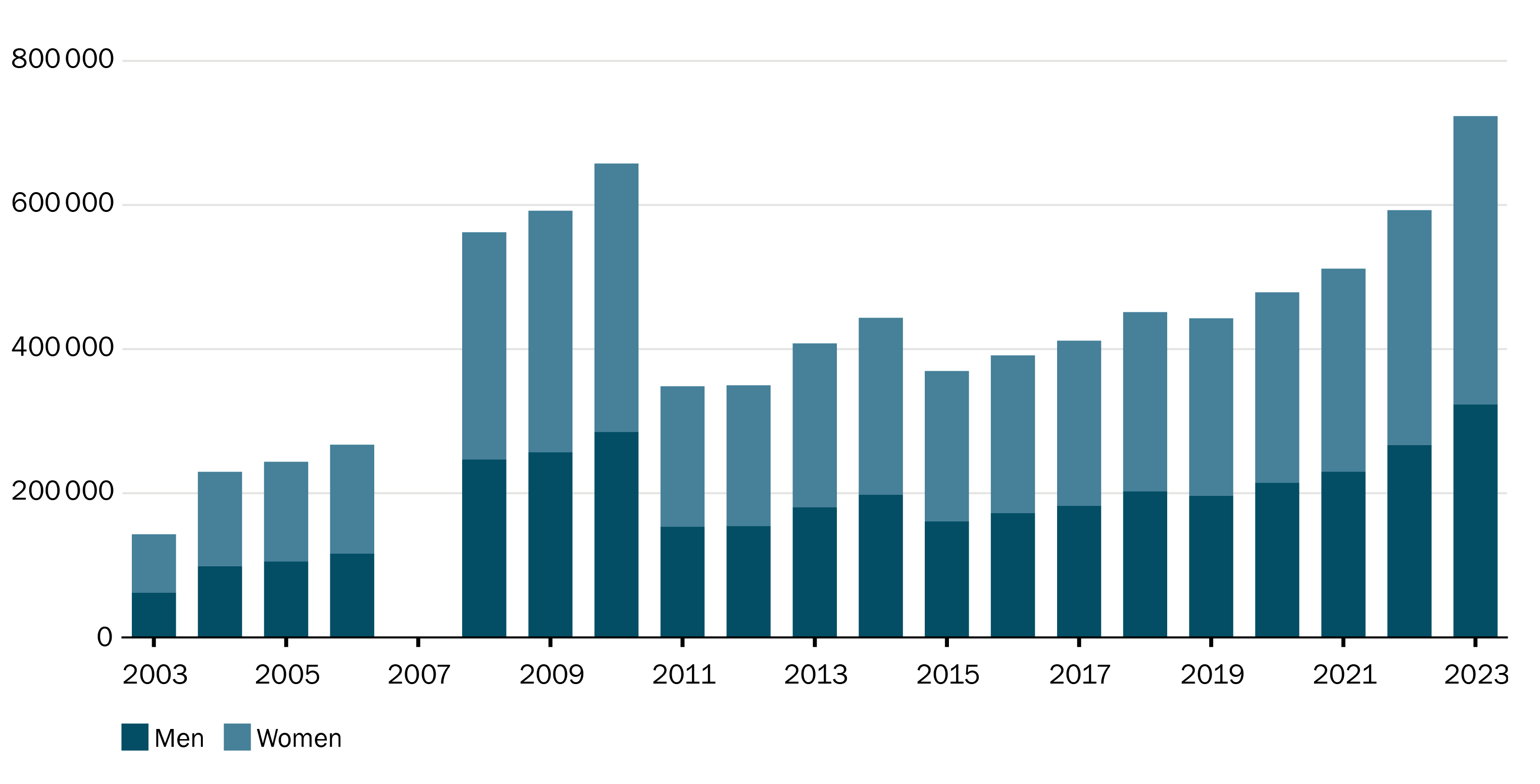
Figure 1. Number of Sudanese refugees arriving each year in Chad, 2003–23
Note: No data is available for 2007.
Source: United Nations High Commissioner for Refugees, Refugee data finder, accessed Sep. 2024.
This crisis is forcing large numbers of people to flee and seek refuge in neighbouring countries, and humanitarian programmes are struggling to respond to the mounting needs, which have a number of knock-on effects. Funding cannot keep pace with the growing humanitarian needs, despite warnings from humanitarian organizations.8 In addition, substantial cuts in aid are also affecting Chad.9 The increasing number of refugees in eastern Chad is likely to have consequences, not least for the pressure on resources and the risk of tension between refugees and host communities in the region.10 These refugees may also face protracted displacement, which refugees from 2003–2004 experienced and which some continue to experience even today.
The current crisis in Sudan has brought to light the precarious situation of displaced women. In fact, women and children constitute 89 per cent of new arrivals in Chad and face specific threats that must be considered and addressed.11 For example, women are more likely to experience sexual and gender-based violence (SGBV) during displacement, as noted by the UN Office of the High Commissioner for Refugees (UNHCR) and Amnesty International.12 On arrival in Chad, woman Sudanese refugees and Chadian returnees continue to experience threats to their safety and difficult living conditions in the camps.13 While all refugees share the need for emergency assistance, research has shown that women and girls encounter specific challenges accessing food and nutrition, sexual and reproductive healthcare (SRH), water, sanitation and hygiene (WASH) and maternal healthcare.14 Moreover, practitioners and researchers highlight the increased protection risks faced by women and girls in displacement, particularly gender-based violence (GBV).15
This SIPRI Research Report analyses the situation of woman and girl refugees in eastern Chad and assesses the extent to which they perceive that life-saving responses are meeting their needs. The paper examines the threats and risks facing women and girls during their displacements and in refugee camps in eastern Chad. The paper also examines the impact of violent conflict and displacement on social cohesion in eastern Chad, focusing primarily on the perceptions and experiences of Sudanese woman and girl refugees, Chadian returnees and residents.16 The aims are to better understand the impacts of conflict and displacement on women and girls and to contribute to increasing the effectiveness of humanitarian programmes and life-saving responses.17
Amid the escalating crisis, research on displacement in Chad is crucial, as the growing number of refugees, coupled with insufficient humanitarian aid and resources, deepens pre-existing vulnerabilities in Chad. Indeed, the World Bank estimated that 5.4 million people live in extreme poverty, with 2.1 million people suffering from acute food insecurity as of December 2023.18 Multidimensional poverty among local populations is significant in provinces that host Sudanese refugees and Chadian returnees—with 80 per cent of both refugees and host communities who reside around the camps unable to meet their basic food and non-food needs.19
The influx of refugees into eastern Chad raises urgent questions about how to manage already scarce resources. This issue is particularly pressing given that the flow of people has been continuous since April 2023. Refugee camps originally established in 2004 now face the challenge of accommodating additional families in an increasingly uncertain environment. Moreover, the struggle to mobilize international support for Sudan is compounded by global crises, with attention diverted to ongoing conflicts in Gaza, Lebanon and Ukraine.
Methodology and research sites
Building on other SIPRI studies on displacement, the research looked at how displacement affects gender norms and the impact that the presence of Sudanese refugees has on social cohesion in the region. 20 Some questions were specifically dedicated to woman Chadian residents to compare perceptions.
This SIPRI Research Report draws on the findings from research conducted in eastern Chad in April and May 2024. The research is based on a mixed data collection methodology that used a perception survey, qualitative interviews and focus group discussions. SIPRI’s partner in Chad, the Office of Advice, Training, Research and Studies (Bureau de Conseils, de Formations, de Recherches et d’Etudes, BUCOFORE), conducted the fieldwork.21
On the quantitative side, the questionnaire focused on three main thematics: humanitarian responses to Chadian and Sudanese communities affected by the conflict; the threats, risks and vulnerabilities facing women and girls during displacement and once they arrive in the camps; and gender norms in and around the camps. To this end, four demographic groups were identified: (a) recent Sudanese refugees displaced by the ongoing conflict between the RSF and the SAF, (b) Chadian returnees displaced by the ongoing conflict between the RSF and the SAF, (c) long-term Sudanese refugees displaced by the Darfur crisis in 2003, and (d) local communities in Chad.
Research sites
Camps were selected from three of the regions hosting the largest refugee populations: Ouaddaï, Sila and Wadi Fira. Data collection took place in the camps of Farchana and Breidjing in Ouaddaï, Djabal in Sila, and Iridimi in Wadi Fira. All camps were established in 2004 and host long-term refugees but also accommodate new arrivals.22Adjacent villages were included to account for perceptions of local Chadian communities (see figure 2). In the Ouaddaï refugee camps (Farchana and Breidjing), the majority of individuals belonged to the Masalit ethnic group, although members of the Fur, Zaghawa and Arab communities were also present. In the Wadi Fira refugee camp (Iridimi), the Zaghawa were more numerous, with smaller representations of the Masalit, Fur, and Arab groups. In the Sila province refugee camp (Djabal), the Masalit were the predominant group, alongside a few individuals from the other mentioned ethnic communities. As most refugees and returnees speak Arabic, the majority of the interviews were conducted in Arabic.
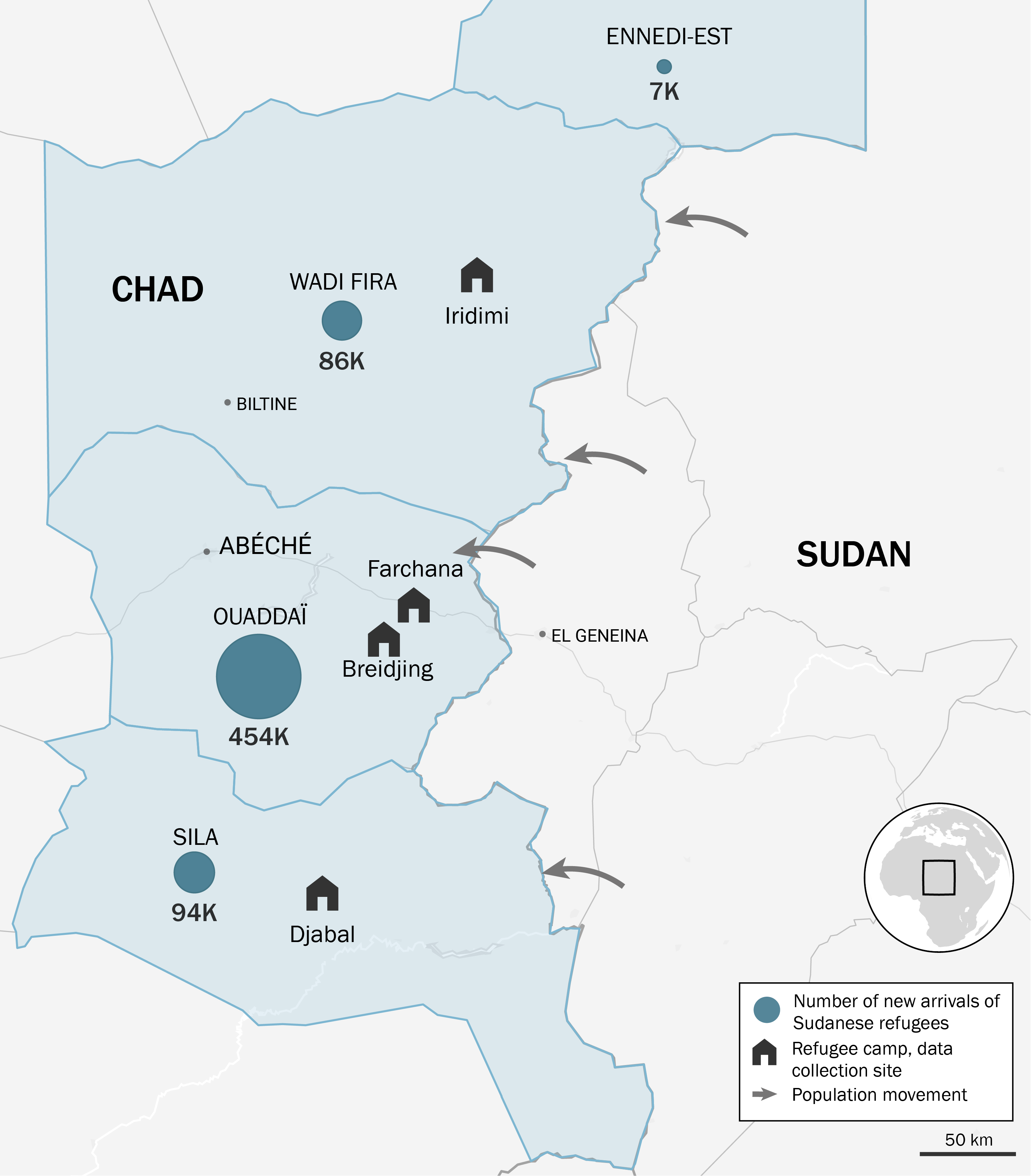
Figure 2. Location of the regions and refugee camps in eastern Chad where the research was conducted
Source: United Nations High Commissioner for Refugees, ‘Emergency situation in Chad: Update on arrivals from Sudan, as of 14 July 2024’, 16 July 2024.
The research was conducted using a mixed methods approach to data collection: a quantitative phase to gather the perceptions of women and girls through a questionnaire; and a qualitative phase to collect the stories of women and girls. Key stakeholders, such as local authorities, traditional authorities and humanitarian actors, were also interviewed.
The perception survey (see figure 3) was administrated to 264 women, aged 18 or older: 132 Sudanese refugees, 58 Chadian returnees and 74 Chadian residents. Quota sampling was used to select the sample.23 Quota sampling is a non-probability sampling technique that helps to ensure that each subgroup is adequately represented, and to provide a more comprehensive understanding of the diverse female population affected by the situation. Forty-one interviews were conducted with Sudanese refugees, Chadian returnees, Chadian residents, humanitarian actors and Chadian local authorities. The interview guide was adapted to the identity of the respondent. While the majority of interviews were held with women to collect their stories, interviews about humanitarian responses to displacement were mainly conducted with men, as they more commonly held roles such as humanitarian worker, local authority official and community leader. Where respondents were men, this is mentioned. The research design and the sampling technique for the semi-structured interviews mirrored the approach adopted in collecting quantitative data.24 The purpose of conducting qualitative interviews was to complement the quantitative data with descriptions from various demographic profiles, for example narratives, life stories and worldviews. Four focus group discussions—one in each camp—were conducted with woman Sudanese refugees.
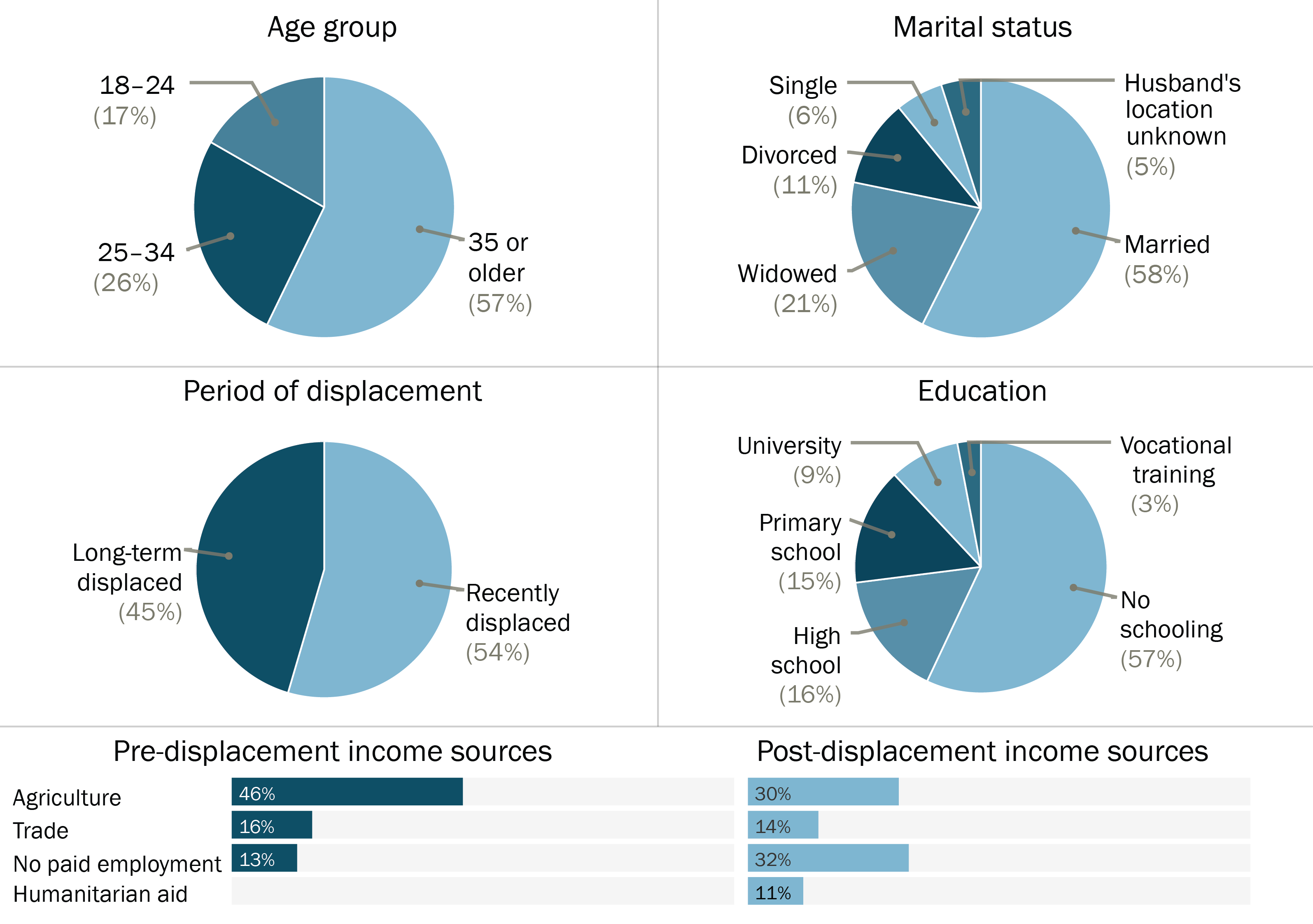
Figure 3. Breakdown of the survey respondents
Source: SIPRI and the Office of Advice, Training, Research and Studies (Bureau de Conseils, de Formations, de Recherches et d’Etudes, BUCOFORE), Perception survey, April–May 2024.
To observe the principles of ethical research in the conduct of this study, a team with longstanding experience in collecting data in eastern Chad and in humanitarian contexts was chosen to conduct data collection. 25 The team is familiar with the realities and sensitivities associated with this type of data collection and was trained in trauma-sensitive data collection methods. Prior to collecting data, researchers explained the purpose of the research to participants and asked for and obtained their explicit consent to take part in the study. Participants were also informed of their right to withdraw consent at any moment. Inasmuch as the study deals with painful experiences, such as violence, loss and conflict-related sexual violence (CRSV), emphasis has first and foremost been placed on the responsibility of researchers to ‘do no harm’.26 This means treating participants with dignity and reducing the risks of ‘retraumatization’. While the methodological and ethical challenges of conducting research with survivors are significant, those who accept to participate also often view it as an opportunity to share their experience and tell their story.27
Structure of the paper
Chapter 2 provides background and context about the humanitarian situation of woman and girl refugees who have been displaced from Sudan by conflict and violence to eastern Chad. It provides a brief outline of the dynamics of armed conflict in Sudan and its impacts on eastern Chad and the cross-border areas. Chapter 3 focuses on the gendered impacts of armed conflict and displacement, examining the risks and threats that women and girls are exposed to in Sudan before displacement, during the journey from Sudan to Chad and in the refugee camps in eastern Chad. Chapter 4 examines the humanitarian response to the displacement crisis in eastern Chad and the extent to which it meets the needs and expectations of women and their communities. This analysis centres on two critical research questions: first, to what extent do humanitarian programmes effectively ensure the protection of woman refugees? Second, how can the needs of displaced women be addressed in gender sensitive ways, while avoiding the essentialization of women and the reinforcement of their vulnerability? Exploring these questions provides valuable insights into the effectiveness of current humanitarian approaches in refugee camps in Chad and highlight the need to balance gender considerations with broader refugee and host community support in a way that enhances the protection of displaced women. Chapter 5 investigates the impact of conflict and displacement on the everyday lives of women and girls, and the implications this has for women’s gender roles in refugee camps. Chapter 6 turns to the community level to understand the dynamics of refugee–host relations in eastern Chad, taking as a vantage point the perceptions and experiences of woman and girl refugees, returnees and residents, as well as the perspectives of humanitarian actors and Chadian local authorities. Chapter 7 offers brief conclusions and chapter 8 provides recommendations to policymakers and humanitarian actors on how to improve the protection of refugee women in eastern Chad. Insights from the Chad–Sudan borderlands may also be useful for improving the effectiveness of humanitarian programmes in other contexts affected by transnational conflict and displacement.
2. The Chad–Sudan borderlands: Situating the conflict in Sudan and its impact on women and girls
This chapter provides background about the humanitarian situation facing woman and girl refugees displaced to eastern Chad by conflict and violence in Sudan. It briefly describes the cross-border linkages between Sudan and Chad. It then examines the dynamics of conflict in Sudan, highlighting elements of continuity and rupture between past conflicts and the ongoing struggle for power between the RSF and the SAF.
The Chad and Sudan borderlands: Navigating the complexities of a shared border
The border region between Chad and Sudan has long been a space with ‘distinctive traits of both cross-border integration and cross-border conflict’.28 The region is characterized by complex historical, political and socio-economic linkages reinforced by cross-border kinship and family relations as well as economic and social exchanges.29 The porous nature of the border has allowed movement and interaction between communities, highlighting that the border region is not only a physical barrier but can also be a bridge to the other side. This view was shared by the research participants. For many people living in the Chad–Sudan borderlands, ‘the border was not very visible. Before the war, we used to go to the other side of the border and then just come back.’30 Another interviewee noted: ‘Even before the war, we often crossed the border to trade in both countries. We are on both sides, so what we want is to be able to come and go like we did before. If there is peace in Sudan, we will be able to resume our activities peacefully.’31 Cross-border relations underscore a shared cultural and economic heritage that has historically contributed to trade relations and community resilience.32
However, the Chad–Sudan border region is one of the most emblematic examples of protracted conflict. Although the crises in Sudan and Chad originate from distinct national political dynamics, they have often become intertwined.33 In the 2000s, violence in eastern Chad was neither isolated from nor a result of the Darfur crisis, but reflected the interdependence between the two contexts owing to regional geopolitics and the movement of arms and fighters.34 Historically, Chadian and Sudanese rebel groups have repeatedly crossed the border and used the neighbouring country’s territory as a rear base for their activities. In the 1980s and 1990s, Darfur was a rear base for the Chadian opposition, while in the current conflict, Sudan has repeatedly accused Chad of supplying arms, ammunition and mercenaries to the RSF.35 Typically, armed conflict in either country affects the lives of populations on both sides of the border. The cross-border linkages between Chad and Sudan are therefore manifold and susceptible to giving rise to a transnationalization of crises and challenges.36
The dynamics of conflict in Sudan
The outbreak of violence in April 2023 is the most recent episode in a series of conflicts that have had long-lasting impacts on the lives of people in Sudan. Although 68 per cent of the survey respondents considered the ongoing conflict to be different from previous conflicts in Sudan, this perception was often linked to the scale and geographical scope of the violence.37 While the current conflict is to a large degree connected to the tug-of-war between the RSF and the SAF and is embedded in a specific Sudanese political context, it is inseparable from the previous conflicts as the struggle for power in Khartoum has exacerbated existing tensions and grievances.38 Today’s conflict is characterized by the targeting of non-Arab communities, in particular the Fur, Masalit and Zaghawa, who were previously targeted during the 2003–2004 armed conflict in Darfur and whose roots in the conflict can be traced back to the 1980s.39
Historical roots of tensions can be traced back to a multidimensional crisis—socio-economic, ecological and political—that intensified existing competition between communities, primarily between the Arab, and the Fur and the Masalit. Identity-based tensions became more pronounced in the 1980s, particularly in Darfur where armed conflict erupted between these communities.40 Processes of instrumentalization and weaponization of identity have resulted in a racial divide between Arabs and non-Arabs that has become one of the defining features of the conflict in Darfur.41 This set the stage for the formation of militias, namely the Janjaweed, which played a central role in supporting the government and Arab communities in the Darfur conflict in 2003–2004.42 The signing of the Darfur Peace Agreement in 2006 did not put an end to the conflict, and clashes have since persisted.43
Between the Darfur conflict and the ongoing conflict, Sudan underwent significant social and political change, marked by the revolution in late 2018–19. In April 2019, President Omar al-Bashir (who had ruled since 1993 after a military coup in 1989) was ousted from power in a military coup. But the victory of the streets was short-lived. The installation of a Transitional Military Council (TMC) led by General al-Burhan and his deputy, Hemedti, to govern for two years confirmed widespread fears: the military seized power to protect their interests, to the detriment of a civilian-led transitional authority.44
While the revolution was spearheaded by youth and women’s groups, with women constituting up to 70 per cent of daily street protestors, women were largely excluded from the transitional process, which failed to create a truly representative government.45 After having linked overall dissatisfaction with women’s rights during the protests, women’s coalitions demanded political participation and equal representation in the transition institutions.46 Their pivotal role, however, was not translated into political gains but soon coopted by the military who quickly plunged the country into civil war. As analysed by Tønnessen and al-Nagar, ‘backlash emerged not only within the conservative Islamist movement and its military allies, but also within the political and social forces proclaiming to represent the revolution’.47
Within the transitional government, the deep divisions among Sudan’s security forces and the rivalry between al-Burhan (SAF) and Hemedti (RSF) reached a breaking point in April 2023 when the armed conflict erupted.48 In the current power struggle between the RSF and the SAF, historical ethnic, social and political divides as well as engrained stereotypes are often weaponized to justify the targeting and killing of civilians. Indeed, the current conflict displays racialized and gendered patterns of violence. This was echoed by half of all respondents, who viewed the conflict as being primarily between Arabs and non-Arabs and identified Arabs as the perpetrators.49 For example, in two of the focus group discussions in Chad, one participant in Farchana said: ‘The Arabs drove us out of our home. Our whole town was full of dead people and burned houses. Almost everything was burning, so my mother decided we should leave. On the way we were often stopped by the military. Girls were raped. Thank God I wasn’t raped. But they take everything you have.’50 In a focus group in Iridimi, another participant explained:
I lived in a remote area of the big city of Darfur. The prefect of our locality was killed by the Arabs. Then my neighbour, who was an Arab, came out and shouted in joy. I realized that day that if I stayed in that house, my neighbours would kill me and my family. So we decided to leave . . . The house of our other neighbours had been set on fire. The next house was going to be ours, so we decided to flee before that happened . . . Everything around us was burning, so we had to get out. 51
However, survey results also show that only 22 per cent of the respondents perceive the conflict as a struggle between the SAF and the RSF, and 15 per cent connect it to tribal conflicts. These findings highlight that, in reality, these struggles go beyond binary depictions and often intertwine and intersect. This has made the conflict not only complex and multidimensional, but also extremely violent.
Refugee women’s perspectives of conflict and displacement
While men have traditionally been perceived as the main perpetrators of violence, research stresses the importance of nuanced approaches that avoid oversimplifying and essentializing the roles and agency of both men and women in conflict.52 Evidence from the wide-ranging literature, alongside SIPRI’s data, shows that although women and girls are more likely to endure conflict-related displacement and suffer different forms of abuse and safety risks, including sexual and other types of GBV, men and boys are also exposed to CRSV, which often goes underreported.53 There has been significant attention paid to CRSV and the significance of rape as a tool of warfare, including in the ongoing armed conflict in Sudan.54 Multiple cases of rape and sexual violence against women and girls have been reported since the outbreak of conflict in April 2023.55 This explains why Sudan’s protracted conflicts have been described as a ‘war on women’.56
The situation of woman and girl refugees is the focus of the next two chapters, which examine the risks and threats confronting women and girls affected by conflict and displacement overall and in eastern Chad, as well as their perceptions of the humanitarian assistance provided. There are specific challenges related to protecting women and children who are refugees, such as safeguarding against SGBV and against child labour, ensuring access to maternal and child healthcare and nutrition, and providing education. Overcrowded camps and inadequate healthcare facilities exacerbate vulnerabilities.
3. The human cost of displacement
The recent outbreak of violence in Sudan has caused a humanitarian emergency on a very large scale, bearing gendered consequences for women and children. According to reports by the UNHCR, the vast majority of refugees from Sudan are women and children.57 This trend is also reflected in the survey results, with 51 per cent of recently displaced respondents stating they came alone with their children.
This chapter presents the findings of the survey and interviews about the vulnerabilities of women and girls, and the threats they are exposed to—in Sudan before displacement, during the journey from Sudan to Chad and in the refugee camps in eastern Chad. It shows that while refugee camps provide relative safety compared to the violence and atrocities experienced by women and girls in Sudan, they fall short of ensuring adequate safety and protection. Women and girls continue to face multiple threats and risks after their arrival in refugee camps in eastern Chad.
The Sudan–Chad journey: Escaping and enduring violence
Being forced to leave home is a traumatic experience, and the women told stories of extreme violence. One interviewee who had recently arrived in the Djabal refugee camp described the horror and lasting impact of rape back in her home in Sudan:
We were at home; they came and broke into the house. Two of them raped me. When the first one finished, the other pressed my neck very hard while raping me. My husband was there and saw everything. He was shot in the feet. It was because of this that we decided to save our lives and leave. Since that day, I have had an excruciating pain in my lower abdomen. I have palpitations. I am not breathing well. I can’t sleep or eat properly. I can no longer look my husband in the face. He reassured me by telling me that it is not my fault, but I can’t forget, and I am afraid that one day he will ask me for a divorce because of what happened. 58
The survey results show that 25 per cent of the Sudanese refugees and Chadian returnees said they had been victims of sexual violence or harrassment in Sudan before displacement (see figure 4). In addition, 74 per cent of the women and girl respondents had suffered psychological violence in Sudan before displacement. Respondents reported physical aggression (67 per cent), illegal searches and seizures (66 per cent), looting and burning of villages (67 per cent), and ethnic discrimination (57 per cent). This data highlights the abuses and violence faced by Sudanese woman refugees and Chadian returnees that drove many of them to escape their homes in search of safety. These findings also illustrate the deep social and cultural divisions in Sudan, with ethnic discrimination playing a significant role in fuelling violence.
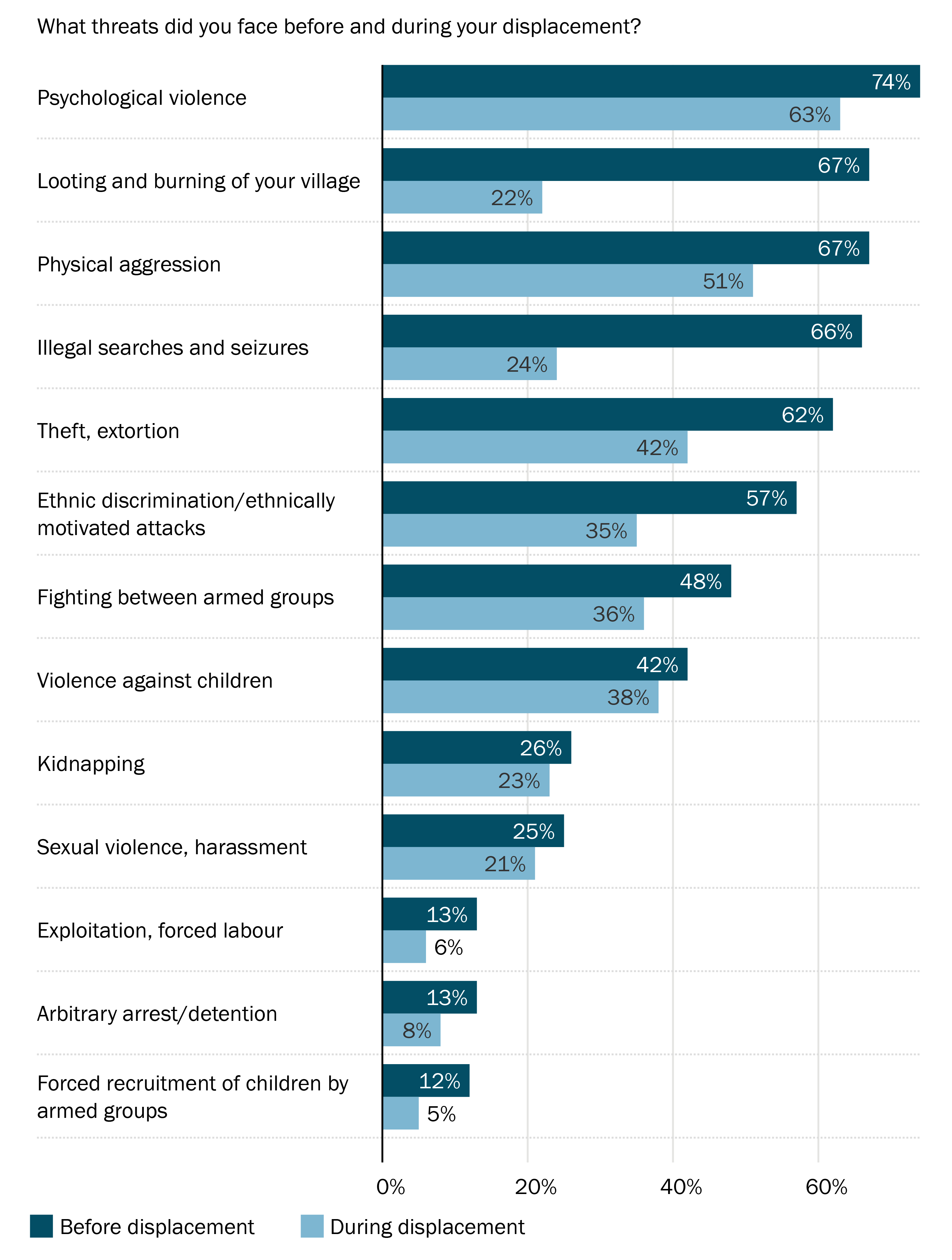
Figure 4. Perceptions of threats faced by Sudanese refugees and Chadian returnees before and during displacement
Source: SIPRI and the Office of Advice, Training, Research and Studies (Bureau de Conseils, de Formations, de Recherches et d’Etudes, BUCOFORE), Perception survey, April–May 2024.
Fleeing the violence in their home, displaced people continue to endure a great deal of suffering on the journey to Chad. The survey results show that 63 per cent of respondents suffered psychological violence during displacement, while 51 per cent said they had been victims of physical aggression, 35 per cent reported ethnic discrimination and 42 per cent said that they had been victims of theft or extortion on the journey from Sudan to Chad. As one Sudanese refugee in Iridimi reported: ‘On the way, they shot at us, searched us and took everything we had on us . . . They took everything, money, veils, jewellery, shoes. Some people came here barefoot.’59 Figure 4 shows that 21 per cent of survey respondents said they had suffered sexual violence or harrassment during displacement from Sudan to Chad.60 These findings reveal the widespread psychological and physical abuse along with the trauma Sudanese women and girls endure during displacement. Violence experienced by displaced people trying to reach the camps in Chad increases their vulnerability and emphasizes the need to address these traumas with adequate services and protective measures when people arrive.
Threats, risks and vulnerabilities in refugee camps in Chad
Refugee camps are perceived as safe places for those fleeing violence and armed conflict. The survey results indicate that 81 per cent of women fear less for their lives and those of their children away from the immediate threat of armed violence. However, despite the sense of relative safety, the research has shown that camps can still be sites of violence and insecurity, leaving women and girls vulnerable to protection risks. Respondents report that a lack of infrastructure, food insecurity and the lack of psychological support contribute towards their feelings of insecurity and instability, highlighting gaps in the protection and humanitarian infrastructure in place to protect them.61
Threats and traumas related to resource scarcity and lack of infrastructure
Respondents highlight that the most pressing needs are related to water and food. The survey results show that 85 per cent of women had suffered a lack of food and water in the camp, while 82 per cent had experienced a lack of medical assistance (see figure 5). The camp infrastructure in the four refugee camps is inadequate to meet the essential needs for water, healthcare, and education of the Sudanese refugees and Chadian returnees. The World Health Organization (WHO) recommends a minimum of 20 litres of water per person per day in emergencies.62 However, these standards are not met in these camps. For example, Iridimi camp, which hosts 39 596 individuals, provides only around 7.7 litres per person per day from its daily supply of 306 cubic metres, significantly below the required standard.63 This shortfall not only compromises health through limited hydration and hygiene but also highlights the broader challenges facing the camp. Moreover, disparities in water availability and infrastructure are evident in the other three refugee camps, reflecting a widespread gap between resources and the essential needs of the refugees and returnees. The insufficient presence of health infrastructure—including the lack of medical assistance and on-site medical facilities—further intensifies the health risks associated with this water shortage. Additionally, the lack of sufficient educational facilities hinders access to education and exposes children to greater protection risks.
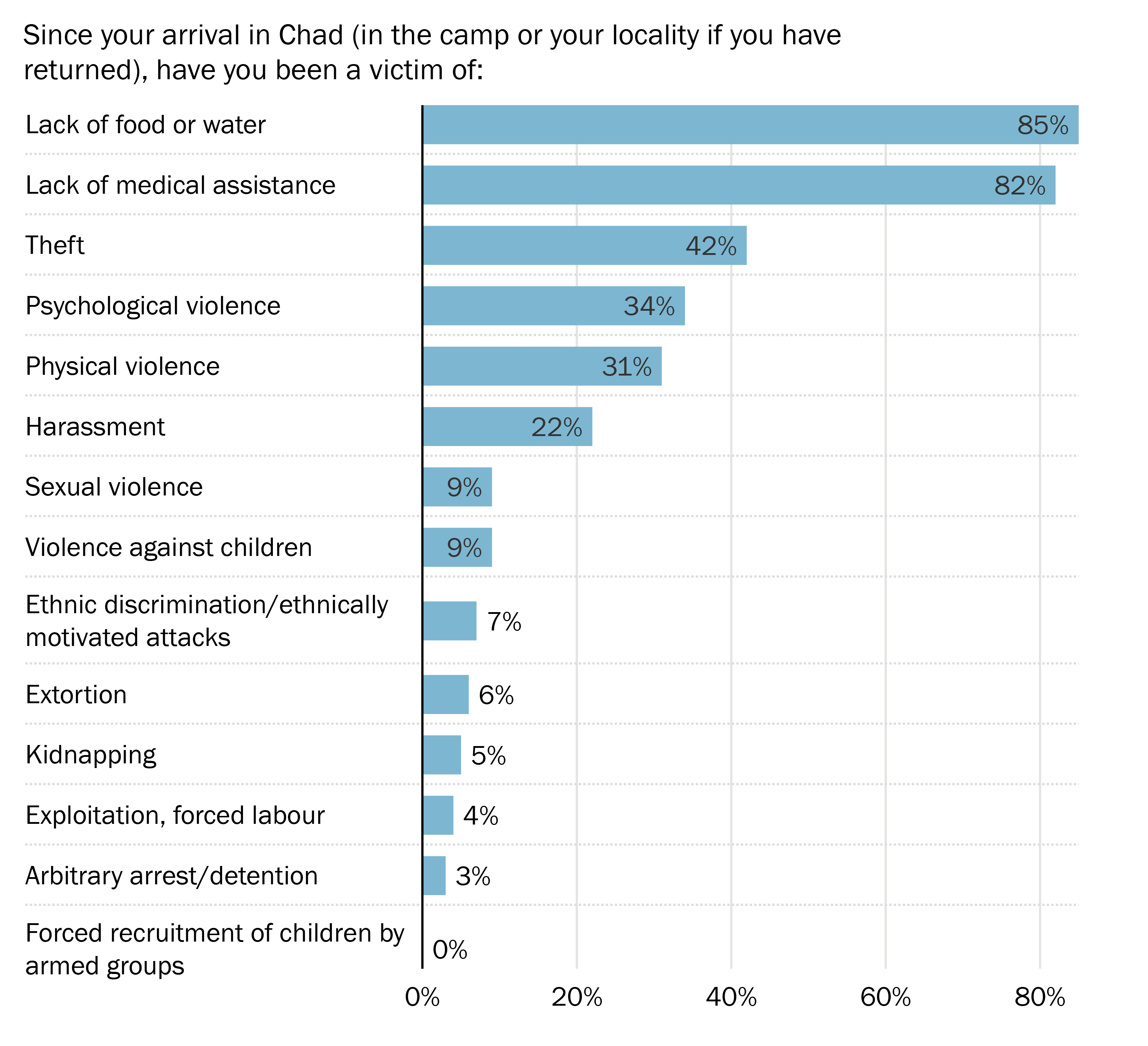
Figure 5. Perceptions by women of threats and risks in the camp
Source: SIPRI and the Office of Advice, Training, Research and Studies (Bureau de Conseils, de Formations, de Recherches et d’Etudes, BUCOFORE), Perception survey, April–May 2024.
Table 1 depicts the limited infrastructure in Chad’s humanitarian response to the Sudan crisis and demonstrates the impact of insufficient funding, combined with limited pre-existing capacity and a large-scale influx of refugees since April 2023. The funding shortfall limits the ability of humanitarian organizations to provide emergency and basic services, such as healthcare, shelter, water, sanitation, and hygiene—undermining the effectiveness of the response and leaving displaced populations without adequate support. A more detailed analysis of its impact will be provided in the following chapters.
The data shows that the limited availability of water, food and firewood exacerbates women and girls’ vulnerability, as the activities carried out by women to locate these essential resources exposes them to risks of physical violence, sexual harassment and sexual exploitation. The survey results indicate that 34 per cent of respondents have experienced psychological violence and 31 per cent have experienced physical violence, while 22 per cent have experienced harassment in the camp (see figure 5). These types of violence and protection risks manifest under certain circumstances, discussed below.
Indeed, the findings show that the research participants are likely to feel most unsafe and exposed while collecting firewood (59 per cent), fetching water (25 per cent) or being in isolated areas of the camp (10 per cent). In the focus group discussions and interviews, many women reported being physically assaulted while collecting firewood: ‘When you go to get wood, and they find you, they hit you! We’ve already been hit several times because of this.’64 In addition, the risk of rape is particularly high for women and girls while collecting firewood. As firewood becomes increasingly scarce in the immediate vicinity of the camp, women must travel further to find it. As confirmed by a humanitarian worker in Goz Beïda (the administrative centre of the Sila province), there have been cases of women being attacked while collecting firewood in the area.65 Similarly, a Chadian official in Hadjer Hadid (a sub-prefecture of the Ouaddaï region) said that several assaults had occurred, and women are advised to always walk in groups when collecting firewood.66
Most of the women also stressed that access to water and food is a priority for them, reflecting the resonance of normative gendered roles and responsibilities. Traditionally tasked with water collection, women can spend hours in queues or travel significant distances to reach water points or boreholes. Not only is this exhausting, but this also exposes women to increased risks of harassment and violence, as water collection points are often located in isolated areas and lack proper security.
As these women often report, leaving the camp exposes them to risks, a fact confirmed by local authorities and humanitarian workers. To protect their children, especially girls, these women choose not to take them outside the camps. As one Sudanese refugee in Breidjing camp explained: ‘For my daughters, I am afraid that they will be kidnapped and raped. They are very small, and I live here without their father.’67 The emphasis on needing a male relative for protection demonstrates how normative gendered roles and expectations compound the safety and security risks experienced by these women.
In Iridimi, one refugee who was forced to flee to Chad for the second time in 2023, having returned to Sudan following a first displacement in 2003, said: ‘Water and food are the most important for a woman. But we don’t have any water here. You have to go far to find firewood for the kitchen. Even finding something to cook is difficult. The situation now is completely different from that of 2003. There is no longer enough assistance.’68
Insights from the survey respondents demonstrate the specific gendered challenges facing women and girls in the camps in relation to water, healthcare and hygiene, which require gender responsive solutions to adequately protect their safety and security. The research team did not observe any gender responsive infrastructure in place. Reliable access to water and safe drinking water is not only essential for families but is also critical for women’s health, especially during menstruation, pregnancy and childbirth. These specificities call for gender-sensitive WASH management in the camps to respond to women’s specific needs and reduce their exposure to protection risks related to water provision.
Threats and traumas of sexual exploitation and gender-based violence
As discussed, the gendered issues related to accessing resources in the camps are directly linked to the safety and security of women and girls. The risks of sexual exploitation often stem from power imbalances, economic vulnerability and inadequate security.69 Women, who rarely occupy positions of authority or decision making in the camps, are therefore vulnerable to abuse by those in control of resources, mostly men (from their own community, from other communities, community leaders, aid workers).70 Poverty and scarce resources in refugee camps can drive unaccompanied women to comply with exploitative demands to survive, including engaging in ‘survival sex’ as a way to secure basic needs for themselves and their families. As the representative of woman refugees in the Djabal camp explained, sexual exploitation can have serious health and psychological consequences, such as sexually transmitted diseases like HIV, unwanted pregnancies and complications from unsafe abortions in a context where medical care is limited:
Given the situation of poverty in which people live in here, girls are easily deceived with money and get pregnant. The men, whether those from the camp, those who come here to work on construction sites or those who come from other localities, wave money and the girls fall into their trap. These girls who get pregnant this way, many of them have sought abortions but abortion is prohibited here. There is one who went to see the nurse to have an abortion. The nurse contacted the area manager who in turn contacted me and we went to see the girl. We forbade her to abort, and I monitored her until the birth. Another girl from sector 7 hid the pregnancy and went to give birth alone in the bush, certainly with the intention of abandoning the child. There are also a lot of sexually transmitted diseases that these girls can get.71
In addition, the trauma caused by exploitation can lead to severe mental health issues which may go untreated in a context with limited health and mental health care.72 The survey data shows that 9 per cent of respondents had been victims of sexual violence since arriving in eastern Chad (see figure 5). Woman refugees thus continue to be victims of sexual violence in refugee camps, making it impossible for those who have experienced it to heal. One Sudanese refugee who has lived in the Djabal camp since 2004 said her daughters were raped in the camp:
Two of my daughters were raped here in the camp. One became pregnant after the rape. It was the pain of this event that made my husband sick and eventually killed him. The last one to be raped was 14 years old. Association for the Promotion of Fundamental Freedoms in Chad (Association pour la Promotion des Libertés Fondamentales au Tchad, APLFT) helped us a lot in this situation. The case is currently before the courts in Abéché. I am very afraid for my children. I am afraid that these rapes will happen again; I am afraid that my daughters will bring me yet another child born from rape. We suffered horrible things on the way here and when I see that there are still rapes, it brings back all the bad memories.73
Given the high risk of rape and kidnapping in the refugee camps, mothers live with a constant fear for the safety of their daughters. Another participant in the focus group in Djabal emphasized this point, saying: ‘I am afraid that my daughters will be kidnapped or raped.’74 Women’s roles in the recent political changes in Sudan exposed them to heightened risks of physical and psychological violence, including SGBV. This, combined with the exposure to violence amidst the ongoing armed conflict, explains why the majority of women feel relatively safer in the camp than in their place of origin. However, 82 per cent agree that women and girls are exposed to greater risk than men in Chad. There is thus a widespread feeling that anything could happen, and that women and girls are never truly safe. As one refugee in Iridimi put it: ‘I have a daughter. She is only four years old, but I am afraid that someone will abuse her. Since we arrived here, I don’t go out without my daughter. She is always with me because we don’t know what could happen and when it might happen.’75
The intersecting identities of Sudanese refugee women—encompassing gender, refugee status, ethnicity—intensify their vulnerability and exposure to violence. For example, in Farchana, a refugee who had recently fled the conflict in Sudan said she was worried that her daughter might be targeted because of her identity: ‘I’m afraid for my daughter because she runs the risk of rape when she goes out. I can’t control people’s thoughts about her because of her Masalit and Arab origins.’76 These comments highlight the different layers of discrimination and marginalization experienced by these women, which increase the physical and psychological safety risks they face in the camps. In that specific case, if a child has a Masalit parent and an Arab parent, it may not be accepted. In refugee camps in Chad, anyone related by marriage or blood to ‘Arabs’ can be considered a traitor and be attacked. While no incidents against people with an Arab origin were mentioned, the fear persists even after arriving in Chad.
Despite the fact that 86 per cent of refugee and returnee women said they knew how to report an incident in the camp, sexual violence tends to go underreported to camp authorities, humanitarian aid workers, law enforcement and healthcare providers. Survivors may avoid reporting to these groups due to concerns over confidentiality, fear of stigma or lack of trust in the authorities. This stigma is to a large extent connected to socio-cultural norms that associate unmarried women’s honour to virginity. Moreover, a woman’s honour is not only hers, but also her family’s and her community’s.77 Interestingly, in the survey, 38 per cent of respondents believed that victims of sexual violence are often stigmatized while 31 per cent believed that the community supports victims. According to one Sudanese woman:
Women who have experienced rape like me are stigmatized here, so I avoid leaving my house. I feel ashamed and afraid all the time. These women who are at the water points, they talk a lot. I’m afraid of what they will say when they see me walking around the camp here.78
These accounts demonstrate the impacts of SGBV in conflict for women and girls.79 Research indicates that CRSV and SGBV have long-lasting impacts on the physical, reproductive and mental health of women and girls but are also likely to disrupt the social fabric which binds communities together by eroding trust and spreading the fear of stigma.80 SGBV is also likely to bear socio-economic consequences and impact community development.81 While motivations behind sexual violence in conflict are varied, the impact on women, families (breaking up) and communities is dramatic.82
This chapter discussed the vulnerabilities of woman and girl Sudanese refugees and Chadian returnees before, during and after displacement. The women and girls have had very traumatic experiences at home and during their journey. Although their arrival in Chad has made them feel safer, they are still confronted with many risks. Insecurity and its consequences continue to threaten the lives of these women and girls. Survey results indicate that inadequate access to basic needs such as food and water exacerbates their vulnerability. These findings underscore the need to improve targeted support and protection systems for women and girls.
4. From crisis to protection: Addressing the needs of women and girls in refugee camps
In 2023, the World Bank estimated that Sudanese refugees who crossed the border to Chad after the Darfur conflict remained, on average, 15 years in Chadian camps.83 Thus, while these camps are often perceived as time limited and temporary, refugees often stay much longer than intended, effectively producing a state of permanent emergency. This chapter examines how women and girls perceive the assistance in place in the camps, by foregrounding their experiences and analysing their interactions with humanitarian actors.
Humanitarian assistance to women and girls in eastern Chad
To manage the refugee crisis in eastern Chad, UNHCR coordinates with Chadian authorities and a number of national and international humanitarian actors.84 The survey results show that 74 per cent of respondents received emergency assistance from humanitarian actors when they arrived in Chad. However, the proportion of respondents receiving continued assistance is higher among long-term refugees than among those recently displaced, a fact that can be related to the lack of funding. Specifically, 80 per cent of long-term refugees reported receiving assistance, compared to only 68 per cent of recently displaced respondents (see figure 6).
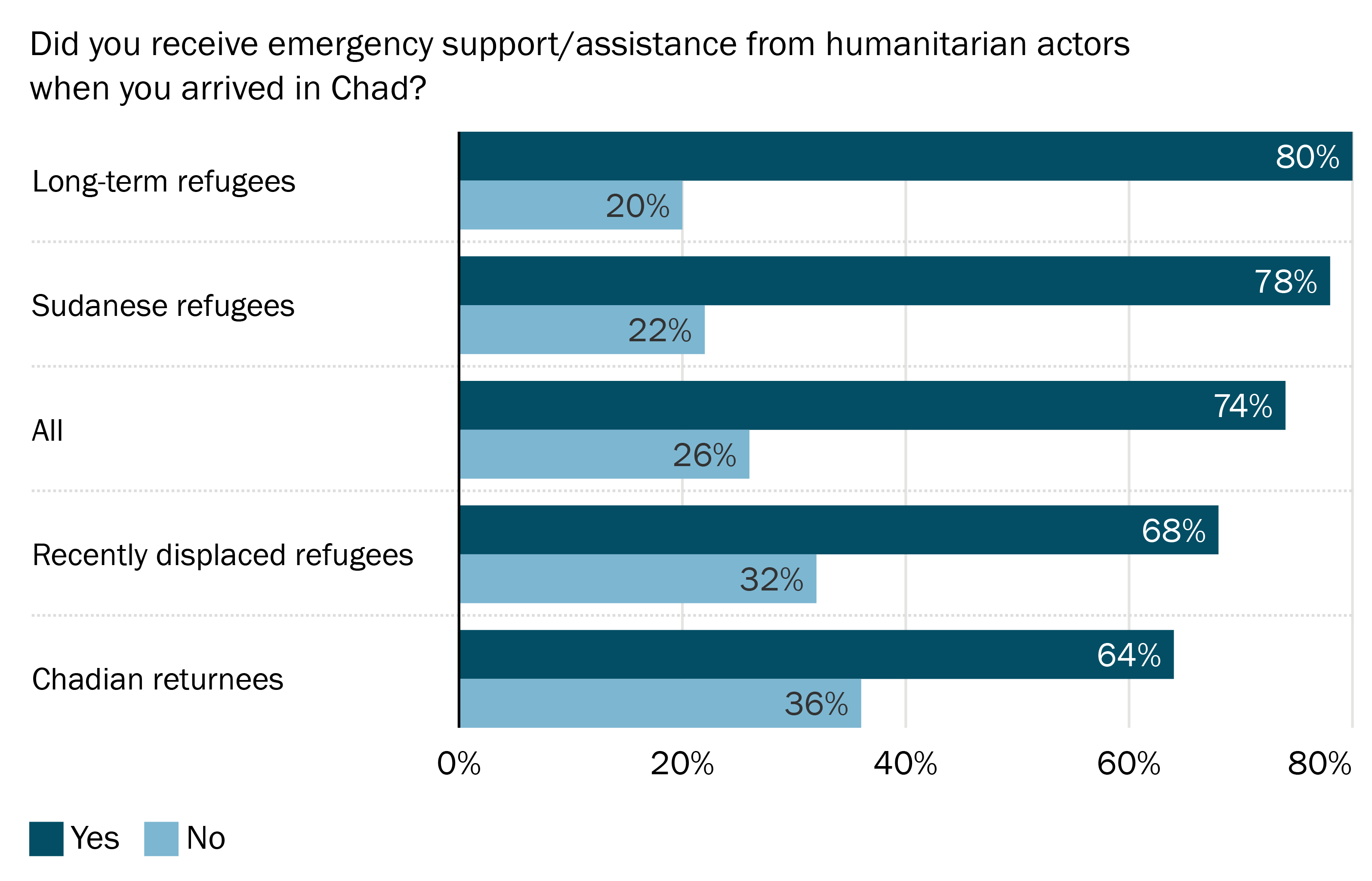
Figure 6. Perceptions by women of emergency assistance received from humanitarian actors on arrival in Chad
Source: SIPRI and the Office of Advice, Training, Research and Studies (Bureau de Conseils, de Formations, de Recherches et d’Etudes, BUCOFORE), Perception survey, April–May 2024.
The rapid influx of refugees and returnees to Chad, coupled with growing needs and insufficient international funding, has widened the funding gap, reducing the capacity to provide humanitarian assistance to those arriving from Sudan and exposing the limitations of present infrastructure to cater to women and girls’ needs.85 Even where family and kinship networks exist, they rarely have the means to support relatives: ‘Yes, my parents have relatives here, but they are also very poor. We can’t go and live with them. This is why we prefer to stay on the site here, hoping to receive help from humanitarian organizations.’86 A Sudanese long-term refugee also explained that the level of humanitarian assistance used to be satisfactory, but these days falls far below standards:
When we arrived here in Chad, the humanitarian organizations helped us a lot. They really lived up to expectations. Nothing was missing. But in recent years, they have stopped helping us. We manage to provide for ourselves and our children. There are a lot of us here now. The water points are no longer sufficient. There’s no more wood around, so we have to go a long way to get some. Medicines are no longer available at the health centre, and we no longer receive assistance. People are selected to receive it. It’s not like before.87
In terms of the type of assistance received on arrival, the survey respondents received food (95 per cent), water (94 per cent), medical assistance (73 per cent) and shelter (70 per cent) (see figure 7). However, distributions by humanitarian actors such as the World Food Programme (WFP) are impacted by the increasing funding gap.88 The UN agency declared that ‘activities received only 50 per cent of the required funding, which represented a decrease compared to the 61 per cent level of funding in 2022.’89 Partly due to this, the agency was only able to assist 1 million of the 2.3 million it had initially targeted in August 2023. These observations are supported by the refugees spoken to as part of this study, with some reporting that they had not received as much assistance as they need. Basic requirements such as food and water are in short supply. This was noted by a refugee in Iridimi: ‘I was given buckets and a mat, but the help isn’t enough. No one even asks us what we want. We need food and water—the two most important things—but it’s so hard to get them.’90 Although women receive assistance on arrival, it is not constant and regular, and access is very difficult thereafter.
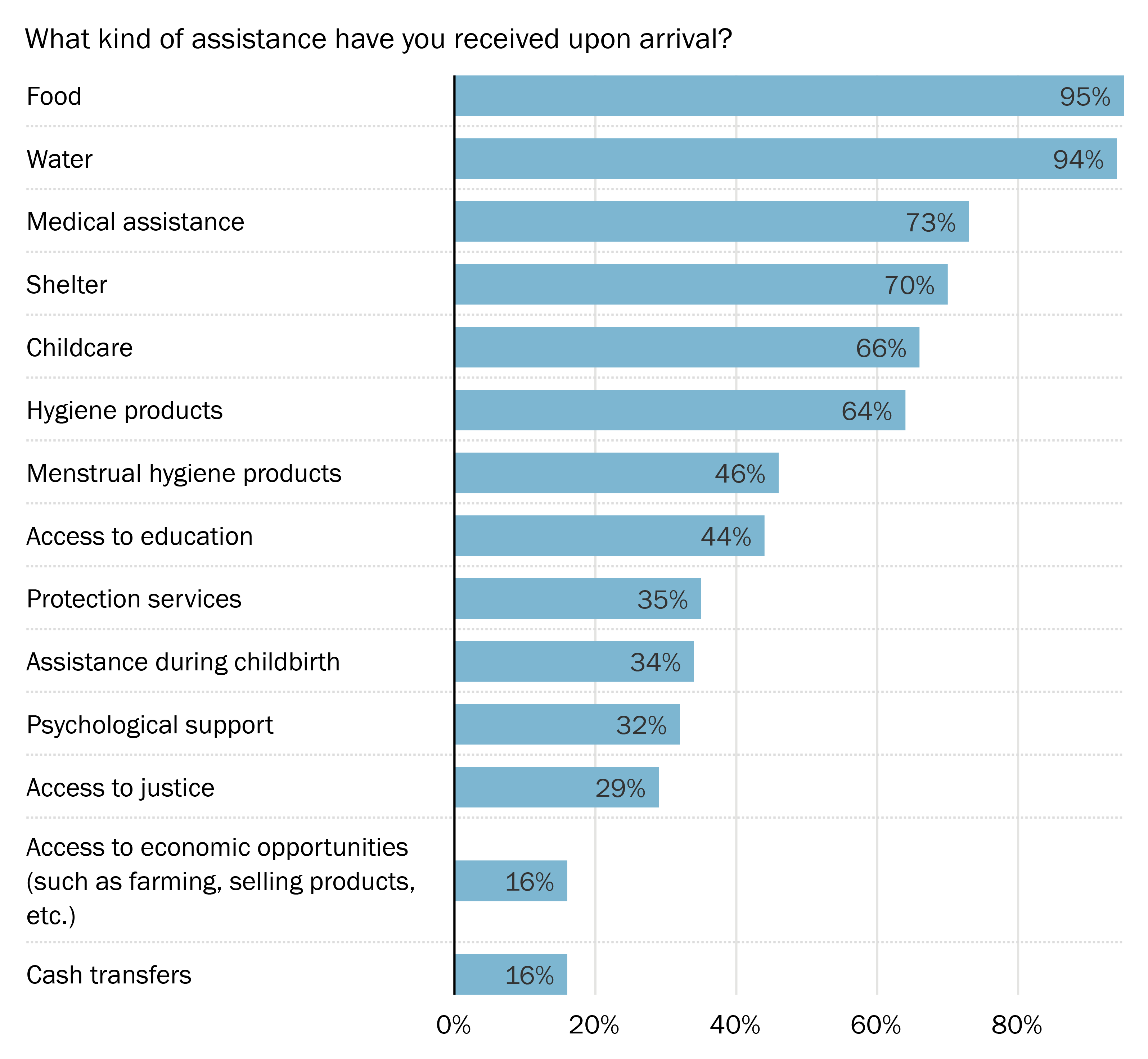
Figure 7. Perceptions by women of the type of assistance received upon arrival
Source: SIPRI and the Office of Advice, Training, Research and Studies (Bureau de Conseils, de Formations, de Recherches et d’Etudes, BUCOFORE), Perception survey, April–May 2024.
Access to medical assistance
Access to medical assistance is also inadequate; respondents have reported people dying because of lack of care, including children suffering from malnutrition. One Sudanese refugee described the struggle to access medical care after giving birth: ‘I gave birth here in the health centre for free, but there’s no medicine, even though I need care and so does my baby. My daughter is 34 days old. When you’re sick and you go to the health centre, they tell you to go elsewhere, but elsewhere they charge a lot of money, and I don’t have anything.’91
Other types of assistance should be considered too, such as psychosocial support. Only 32 per cent of the surveyed women had received psychological support since arriving in Chad, and less than half had received menstrual hygiene products (46 per cent). In addition, only 16 per cent of women had received assistance in the form of cash transfers; 16 per cent had access to economic opportunities; 29 per cent had received legal assistance or access to justice; 35 per cent had received protection services (such as child protection and prevention of SGBV); and 44 per cent had had access to education.
Education as a right: The importance of access
Access to education was a recurrent theme in the interviews, often expressed with fear by young girls who had been forced to abandon their studies because of the war, and with the perception that Chad would not be able to offer them opportunities, even outside of the camps. Education is seen as a priority, but access remains very limited due to the lack of schools in the camps. As one participant in the focus group in Farchana explained: ‘I was in sixth grade, but I don’t go to school here. There’s no school here . . . None of us go to school here, whereas we all went to school in Sudan. We are very bored. We are just here all day. There is nothing to do here. We can’t even go outside because we are scared.’92 The lack of or limited access to education for girls who might be at risk of being excluded due to economic pressures or security concerns bears long-term societal implications, such as holding girls back from any kind of social mobility or advancement.
Access to education also presents a major obstacle for Chadian returnees. Only 27 per cent of Chadian returnees said they had access to education, in sharp contrast to 50 per cent of Sudanese refugees (see figure 8). This gap reveals the systemic barriers Chadian returnees face in rebuilding their lives, particularly in terms of providing children and young adults with the education they need to regain a sense of normalcy and reintegrate in a country they may have left years ago.
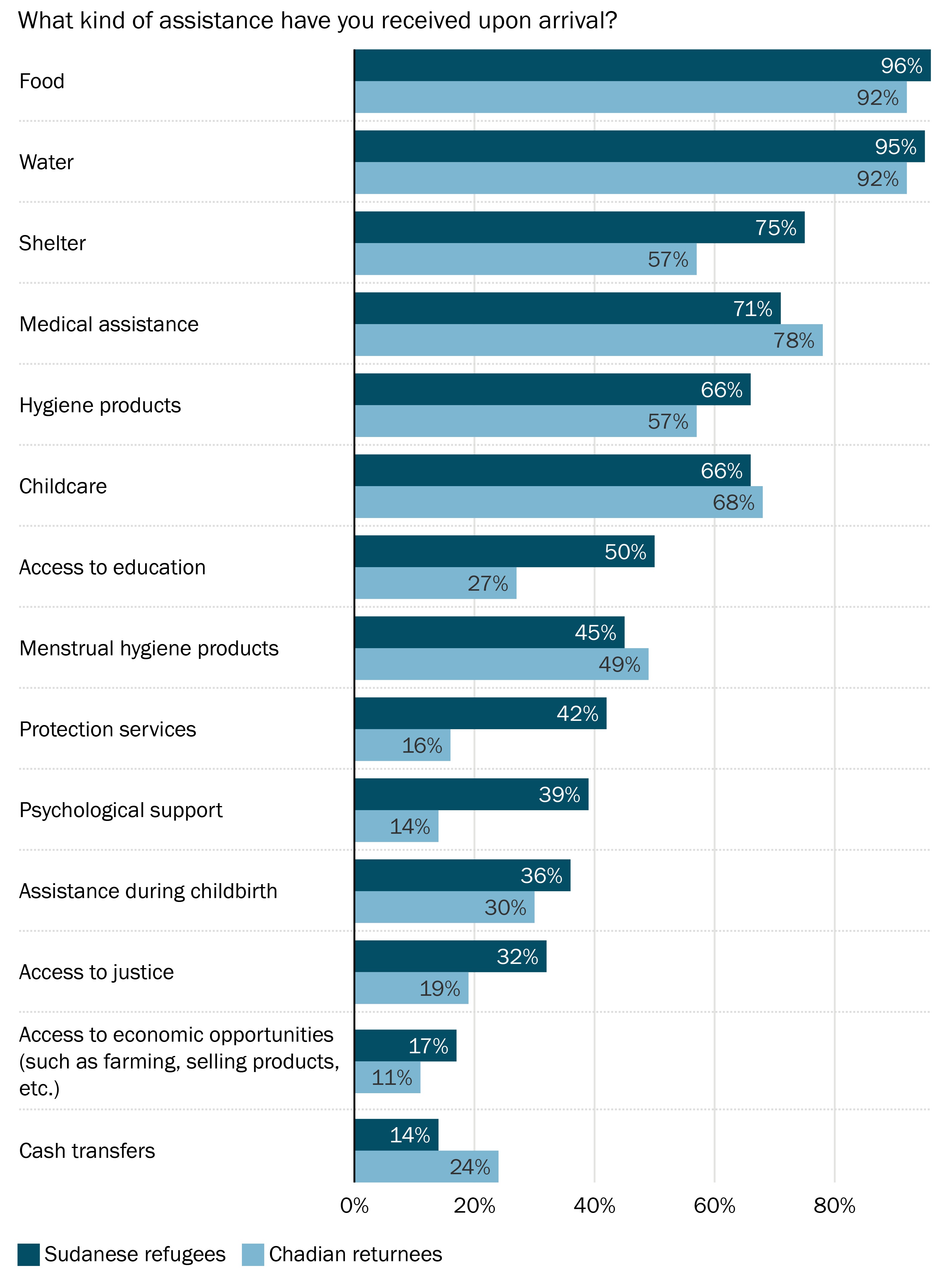
Figure 8. Perceptions by women of the type of assistance received, by status
Source: SIPRI and the Office of Advice, Training, Research and Studies (Bureau de Conseils, de Formations, de Recherches et d’Etudes, BUCOFORE), Perception survey, April–May 2024.
Underfunded humanitarian assistance
Critically underfunded humanitarian responses struggle to meet even basic needs or provide assistance beyond mere survival. While the 2004 humanitarian response plan in Chad was funded at 88 per cent, only 45 per cent of the 2023 plan received funding.93 However, upon closer examination of trends in the coordinated humanitarian response, it becomes clear that overall funding has increased on average since 2016.94 The primary challenge, though, is that available funding cannot keep up with the rapid escalation of needs, creating gaps in assistance and leading to a failure to protect woman refugees.
The distribution of emergency assistance in the form of water and food is similar for Sudanese refugees and Chadian returnees but there are differences between the two groups when it comes to access to shelter: 57 per cent of Chadian returnees said they had been given shelter on arrival in Chad, compared to 75 per cent of Sudanese refugees (see figure 8). Similarly, only 14 per cent of Chadian returnee respondents said they had received psychological support—almost three times less than Sudanese refugee respondents (39 per cent)—and only 16 per cent said they had had access to protection services, compared to 42 per cent of Sudanese refugee respondents. Getting access to education on arrival in eastern Chad is also more difficult for Chadian returnees, underscoring the absence of adequate safety nets for those returning to Chad.
While there were no major differences between long-term refugees and the recently displaced in terms of receiving water and food on arrival in eastern Chad, variations in access to other urgently needed assistance illustrate how much the current humanitarian situation differs from past crises (see figure 9).
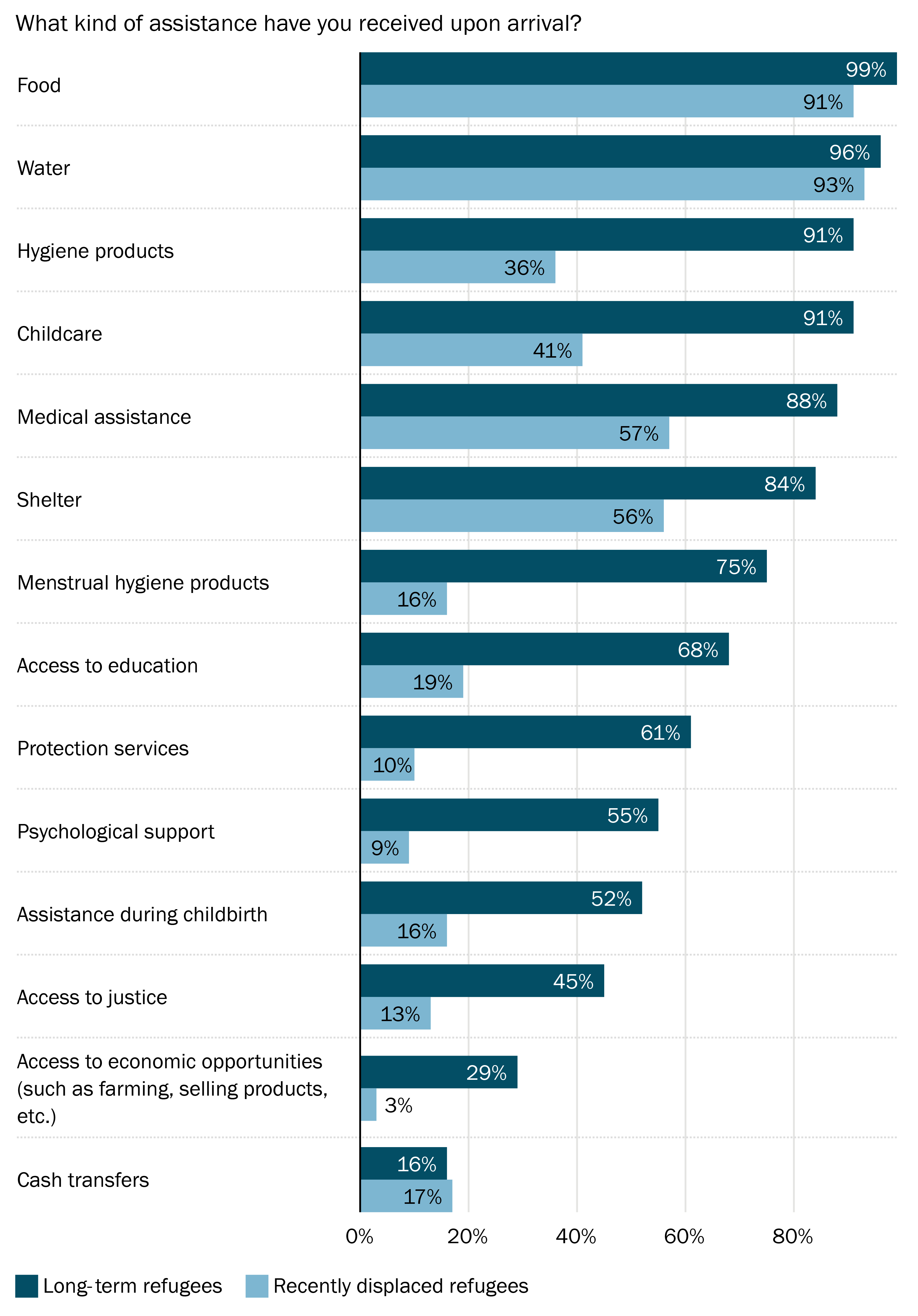
Figure 9. Perceptions by women of the type of assistance received, by duration of displacement
Source: SIPRI and the Office of Advice, Training, Research and Studies (Bureau de Conseils, de Formations, de Recherches et d’Etudes, BUCOFORE), Perception survey, April–May 2024.
The limited ability of humanitarian actors to respond to the current humanitarian emergency compared to the situation two decades before has considerable impacts on the protection of refugee women and girls. In Iridimi, one Sudanese refugee who recently came back to Chad after having returned to Sudan described the current situation as very different from her first displacement in the 2000s: ‘When I returned to Sudan, I engaged in commerce, and it worked well. Since I came back, I don’t really have any activity and therefore no money to feed my children. However, we no longer receive assistance as before. Before, there were a lot of NGOs [non-governmental organizations] here. We didn’t lack anything. We even had gas for cooking.’95 The decrease in funding impacts the capacity for humanitarian actors to adequately address growing needs, and limited resources compromise the safety of women and girls. In this context, the capacity to implement gendered responses is also affected.
As war continues to rage in Sudan and more people arrive in Chad, aid and assistance are increasingly stretched and it is becoming extremely difficult to meet growing needs. The WFP, for example, warned in March 2024 that unless more funding is received, it will not be able to continue providing life-saving assistance in Chad.96 This would expose large numbers of refugees to hunger and malnutrition and constitute another aspect of the international community’s failure to protect refugees. Faced with a funding crisis, the WFP had already scaled down its operations, and its efforts now focus primarily on the immediate needs of new refugees.97
Women’s perceptions of and satisfaction with humanitarian assistance
In the survey, 63 per cent of respondents said that the humanitarian assistance does not respond to their needs (see figure 10). To understand the experiences of woman refugees and assess their level of satisfaction with the assistance received, it is important to understand how they, as aid recipients, define their needs as displaced persons and women.
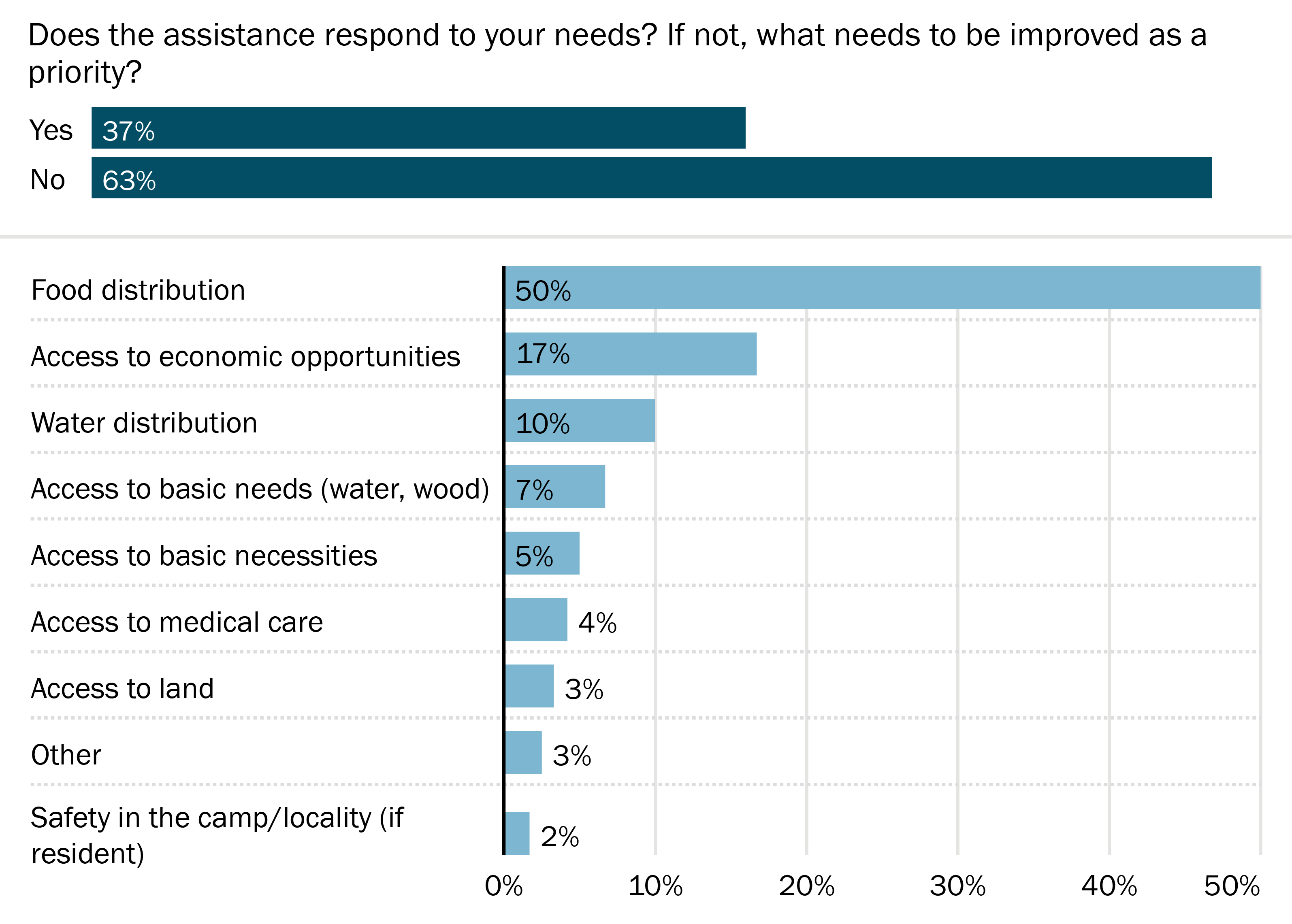
Figure 10. Perceptions of women about whether the assistance respond to their needs and what needs to be improved as a priority
Source: SIPRI and the Office of Advice, Training, Research and Studies (Bureau de Conseils, de Formations, de Recherches et d’Etudes, BUCOFORE), Perception survey, April–May 2024.
The most urgent need: Food
Access to food is a priority for displaced women and girls: 50 per cent cite food distribution as a key area for improvement, while 17 per cent (the second highest proportion) highlight the lack of access to economic opportunities (see figure 10).
The lack of food was mentioned several times in the interviews. As one participant in the focus group in Iridimi put it:
They don’t listen to us. They build us houses, but we need food. What can we do in the house with an empty belly? . . . Once, we got together and went to the office of the humanitarian actors to tell them that if there was no food to give us, there was no point in building us houses. They looked at us, said nothing and got into their vehicle to drive back to town.98
As reported by the WFP, the lack of funding for humanitarian operations is a cause of severe and widespread food insecurity and malnutrition in the refugee camps in Chad. The WFP has stated that many refugees were skipping meals and nearly half of Sudanese refugee children under five years old were suffering from severe anaemia.99 Even though the complex and multi-layered needs of women and girls was a recurring theme in the interviews, the data collected from refugees confirms the prevalence of food shortage as their first priority.
More precisely, in addition to the economic needs they share with all refugees regardless of their identity, women and girls have gender-specific needs, including maternal and reproductive health services, protection from GBV and economic empowerment. According to the survey, 65 per cent of Sudanese refugees and Chadian returnees did not feel that the assistance received responded to their needs as women (see figure 11). For about half of these respondents, this perception is linked to humanitarian programmes often failing to understand or take into account the specific needs of women. This is confirmed by the finding that 33 per cent of respondents attributed the deficiencies to the assumption that everyone in the camp has the same needs.
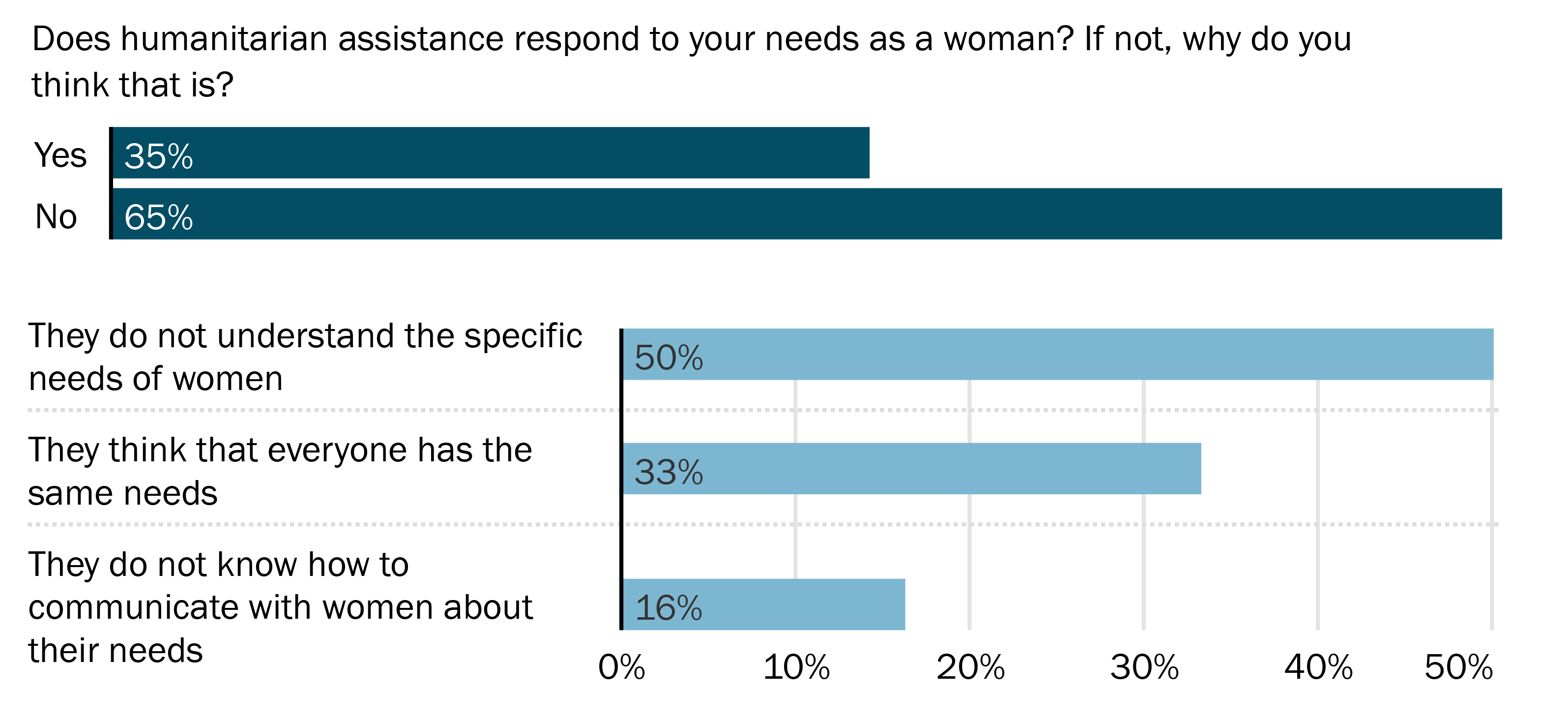
Figure 11. Perceptions by women about whether the humanitarian assistance responds to their needs as a woman
Source: SIPRI and the Office of Advice, Training, Research and Studies (Bureau de Conseils, de Formations, de Recherches et d’Etudes, BUCOFORE), Perception survey, April–May 2024.
In the interviews, the women were more specific about these needs, listing food and water as essential needs, followed by feminine hygiene products. As a long-term refugee in Iridimi put it: ‘For me, a woman, that’s very complicated. Instead of asking me what I need, they come and give what they want. Soap, medicine, hospital, pre- and post-natal care, sanitary towels for our daughters, water and food without forgetting money, that is what is missing.’100 Recently displaced women described a similar situation: ‘No one asked us what we need as women; otherwise, 14-year-old girls could have asked for sanitary towels.’101 In other cases, respondents highlighted a mismatch between what they consider urgent and the assistance provided.
This underlines the complex challenges facing humanitarian responses, as different needs must often be addressed at the same time. This also applies to the need to balance immediate and urgent needs such as food and water with other needs such as education and economic opportunities. For example, one young Sudanese refugee in Farchana perceived access to education to be her primary need as a young woman and remarked on the mismatch between her needs and what she had received: ‘This doesn’t meet my needs at all. If I came here, it’s because I want to have the opportunity to finalize my studies, food is not my only need.’102 The responses also show that needs are not only linked to gender but also depend on cross-cutting factors such as age, education level, socio-economic status and opportunities (see figure 12). Each woman’s experiences and the life she had before being displaced can partly explain how women now prioritize needs in a situation of displacement.

Figure 12. Sudanese women’s level of education
Source: SIPRI and the Office of Advice, Training, Research and Studies (Bureau de Conseils, de Formations, de Recherches et d’Etudes, BUCOFORE), Perception survey, April–May 2024.
In the survey, 71 per cent of the women said that humanitarian organizations do not respond to the needs of the communities affected by conflict and displacement in eastern Chad, and 58 per cent of these respondents associate this with humanitarian organizations imposing their own cultural norms and codes (see figure 13). This should also be seen in connection with the finding that 10 per cent believe that humanitarian organizations do not respond to the needs of communities because they do not respect local customs and cultural codes. Another important reason why respondents believe that humanitarian organizations do not respond to the needs of communities is perceptions of discrimination, as 30 per cent said that humanitarian organizations discriminate between groups.
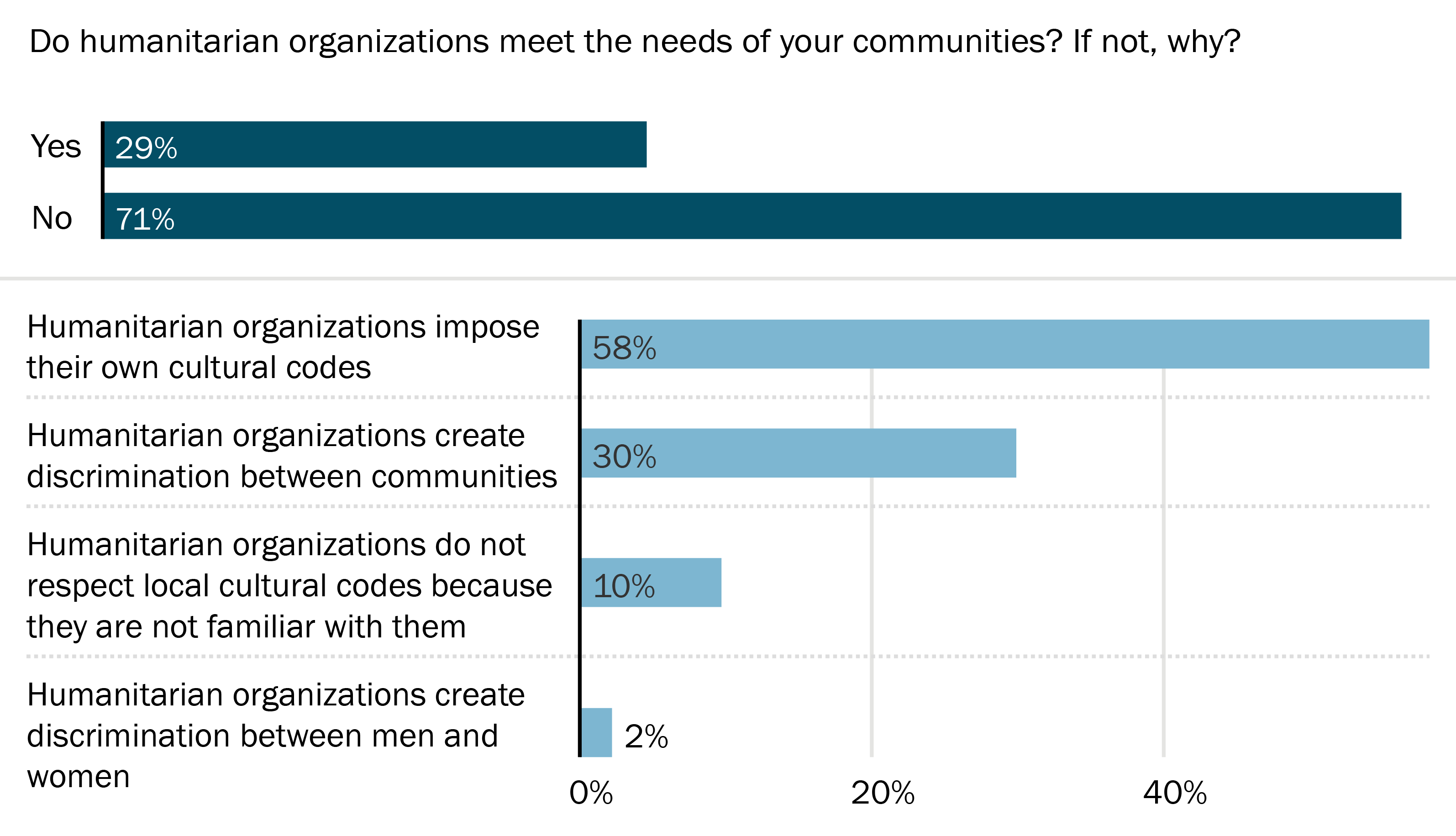
Figure 13. Perceptions by women of whether humanitarian organizations meet the needs of their communities
Source: SIPRI and the Office of Advice, Training, Research and Studies (Bureau de Conseils, de Formations, de Recherches et d’Etudes, BUCOFORE), Perception survey, April–May 2024.
These variations underline the reduced ability of humanitarian actors to provide life-saving assistance to people fleeing violence and armed conflict in Sudan over different periods of time. For instance, 84 per cent of long-term woman refugees said they were given shelter when they arrived in Chad, compared to only 56 per cent of recently displaced respondents (see figure 9). While it is difficult to compare the level of assistance over time given factors such as the context in Chad, the humanitarian landscape, the level of needs and the influxes of refugees and returnees, the funding gap clearly represents the primary cause of insufficient assistance to the newly arrived. In addition, 88 per cent of long-term refugees said they received medical assistance, compared to 57 per cent of recently displaced respondents. Similarly, 55 per cent of long-term refugees said they received psychological support on arrival, in sharp contrast to the mere 9 per cent of those displaced by the most recent conflict; 91 per cent of long-term refugees said they had received hygiene products, compared to only 36 per cent of recent refugees; and 75 per cent of long-term refugees said they had received menstrual kits, compared to just 16 per cent of recent refugees.
The survey results underscore the need for a more comprehensive understanding of women’s specific needs. This highlights a key challenge in humanitarian protection: namely, how to provide assistance that effectively addresses both the specific needs of women and girls and the common needs of all refugees. As stated above, food is among the most pressing needs (see figure 14).
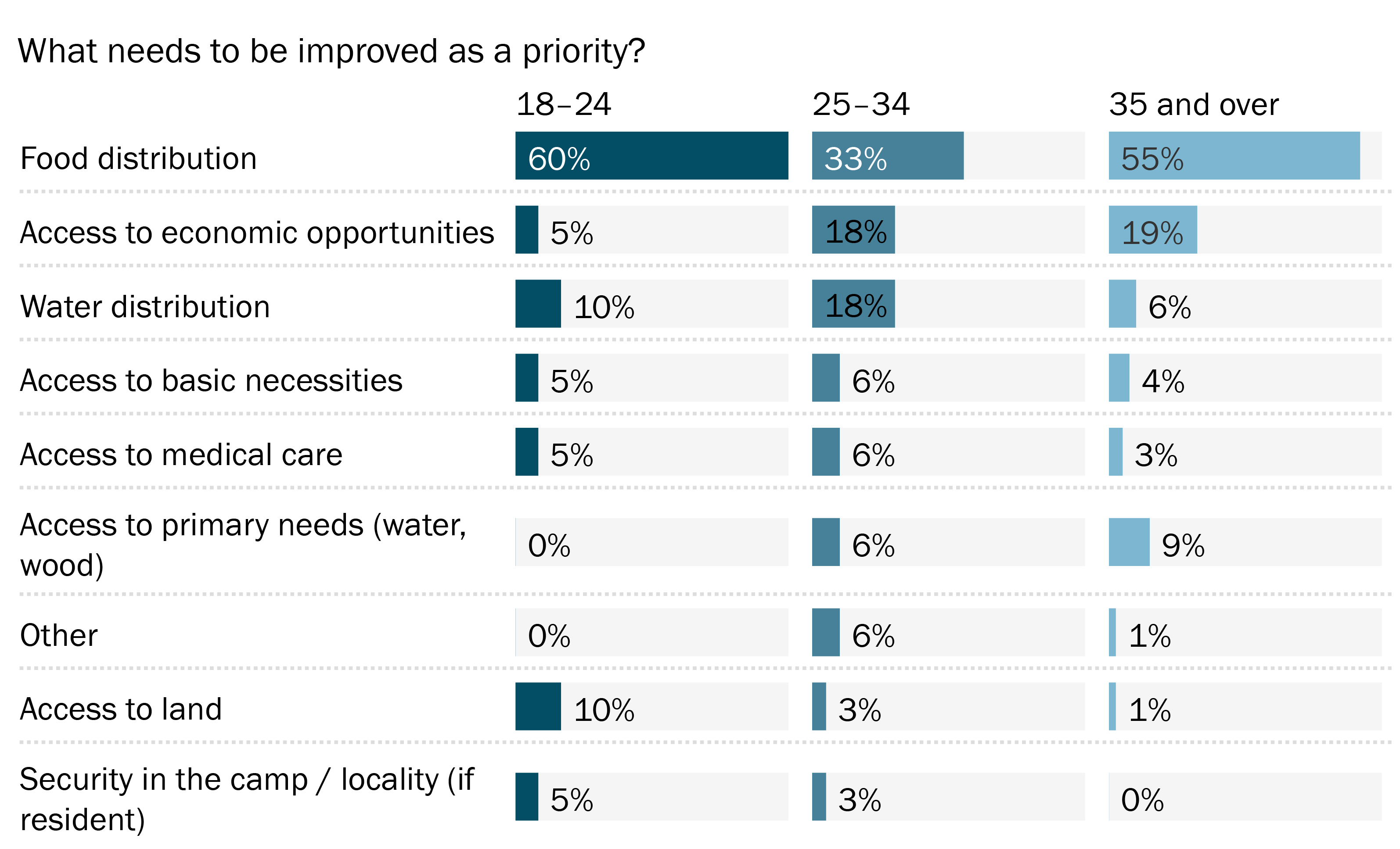
Figure 14. Perceptions by women of what needs to be improved as a priority, by age
Source: SIPRI and the Office of Advice, Training, Research and Studies (Bureau de Conseils, de Formations, de Recherches et d’Etudes, BUCOFORE), Perception survey, April–May 2024.
Perceptions of equity in aid provision
In general, there were no major concerns with the fairness of the distribution of humanitarian aid and 61 per cent of the survey respondents believed that humanitarian aid is distributed in a fair and equitable way (see figure 15). However, the finding that 39 per cent do not share this perception is also revealing. Among the 39 per cent of respondents (both groups) who believed aid is not equally distributed, 37 per cent believed that not everybody has access to the same basic social services, 28 per cent believed that certain women receive more assistance than others and 24 per cent believed that newly arrived refugees receive more assistance than others.
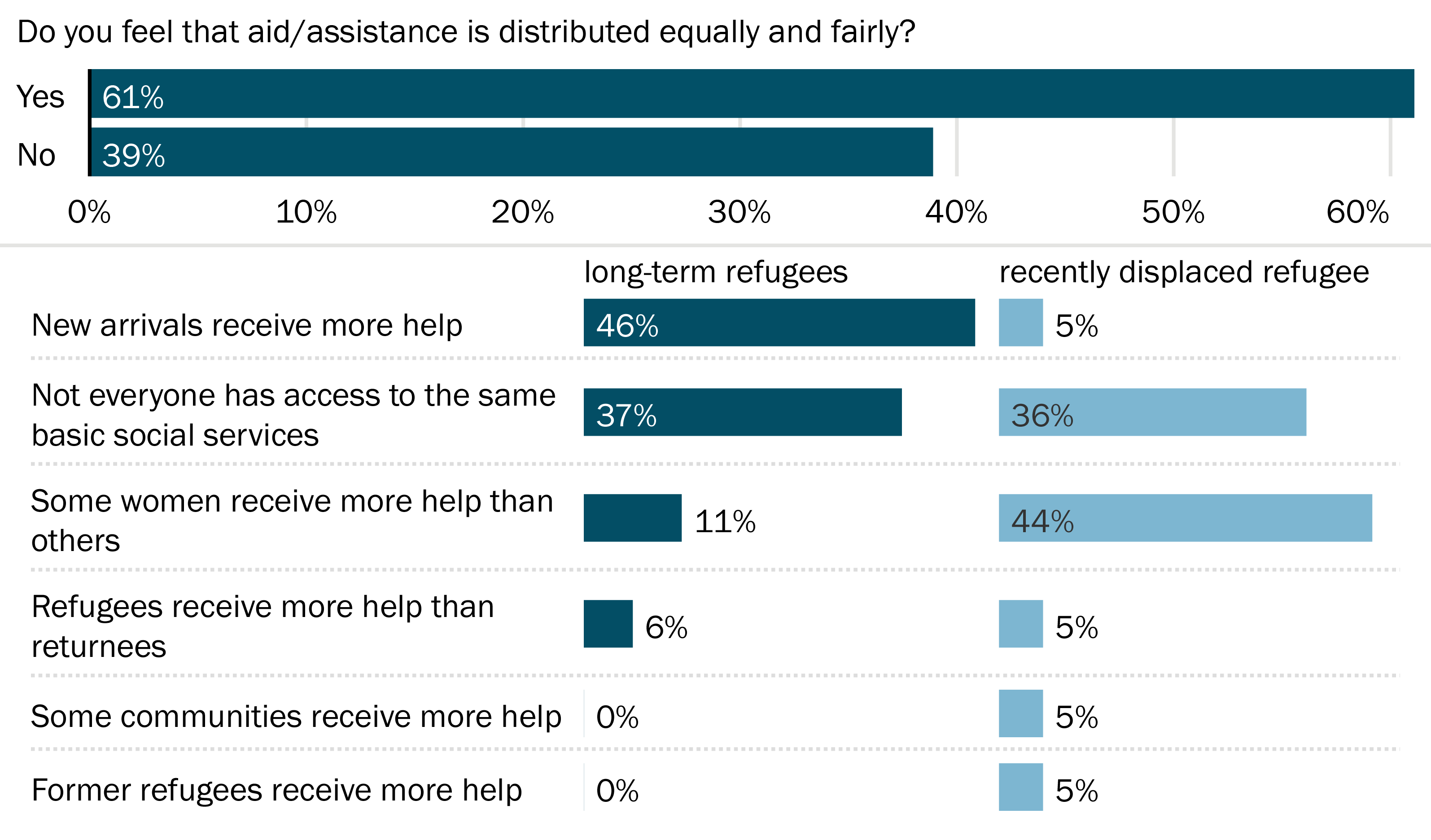
Figure 15. Perceptions by women of the distribution of assistance, by duration
Source: SIPRI and the Office of Advice, Training, Research and Studies (Bureau de Conseils, de Formations, de Recherches et d’Etudes, BUCOFORE), Perception survey, April–May 2024.
The perception of discrimination is more important among recently displaced refugees, particularly in relation to the availability of and access to basic services. A woman recently arrived in the Iridimi camp noted: ‘In the schools of the old camp there is food for the children but in our schools here there is nothing. The children don’t eat. This makes it difficult for them to stay focused.’103 The perception that the long-term displaced are better off than recently arrived refugees can primarily, but not only, be explained by the lack of funding. As one humanitarian worker in Goz Beida stated:
Food insecurity is already here. There have been a number of deaths linked to malnutrition in the sites, and there are still many children and elderly people in this situation. Food assistance is very limited indeed. The production of food in the area is not sufficient to cope with the situation.104 Host communities are also in need of assistance. The Chadian authorities had already declared a food and nutrition emergency. What is more, we were just informed a few days ago that there are people who have settled in Koukou and who say that it is hunger that has prompted them to leave their homes. We will go with the other partners to assess the situation. But it should be noted that the WFP no longer has any funding, and if we don’t have any by June, we will withdraw from the country.105
However, some long-term refugees have the impression that newcomers are prioritized to the detriment of those who have lived in the camps for some time. In Ouaddaï, one long-term refugee said: ‘I am still a refugee. We were told that they were going to make us new [refugee] cards, but since the new refugees came, we have been almost forgotten.’106
The fact that their needs as women are not adequately addressed can partly be explained by the limited communication, or lack thereof, between humanitarian actors and women about their needs (reported by only 16 per cent of respondents) ahead of the provision of aid. This will be discussed in the next chapter. When women and girls are integrated into programme design and delivery of assistance is tailored to their needs and vulnerabilities, aid agencies reduce the risks of doing harm and move towards greater gender-sensitive and -responsive programming.
Limited interactions with humanitarian actors
While the majority of the women surveyed (73 per cent) said they had not encountered any problems while dealing with aid workers, 20 per cent reported not having any interactions with them and 7 per cent said they had experienced problems. However, the survey results showed that 69 per cent of respondents do not know how to contact international humanitarian organizations. A similar proportion of respondents did not know how to contact Chadian humanitarian organizations. It therefore seems that the interactions with humanitarian organizations, whether international or Chadian, are limited. For example, one Sudanese refugee, displaced for a second time, reported:
I do not have any particular problem with humanitarian actors, but we see many of them arriving here and they leave without giving us anything. We don’t understand anything. There are people from the UNHCR, SECADEV [Secours Catholique pour le Développement], JRS [Jesuit Refugee Service] who sometimes come and then just leave. Before, I used to know where to find and how to contact humanitarian actors, but now I don’t.107
Across camps in eastern Chad, many interviewees reported not seeing humanitarian actors at all. In Iridimi, a recently displaced woman said: ‘I have no relationship with humanitarian actors. I haven’t even seen them for a while.’108 Similarly, in Djabal, a long-term refugee said: ‘We don’t even see them so one cannot really speak of a relationship with them.’109 A Sudanese refugee in Iridimi described the impact of the limited presence of humanitarian actors in the camp: ‘The situation is almost catastrophic here. We no longer receive help. I have not seen a humanitarian actor here in four months. When you are sick, you cannot be treated, because there is no medicine. We are seriously lacking water here. We need food. What we received is completely finished. It was only a small quantity, and we had to share with those who received nothing.’110
The ability of humanitarian actors to respond to needs is linked to the mobilization of funds, which is low. Shifting donor priorities and concurrent humanitarian crises and armed conflicts have turned the armed conflict in Sudan into a ‘forgotten war’ that does not fit into the donor’s priority agenda. This is clearly shown by the extent to which attention and funding are deployed elsewhere where humanitarian needs are also increasing but humanitarian responses are almost fully funded. UN agencies and NGOs have denounced these funding discrepancies, which exacerbate the plight of displaced people. With no end in sight to the conflict, the number of displaced people continues to rise, and this is in constant contradiction with the resources available. More precisely, besides the gender-specific needs addressed in this paper, the results show just how much food security, nutrition, water, sanitation and hygiene need to be covered.
Strengthening gender responsiveness in humanitarian interventions
Analysing how gender is understood and how such understandings make their way into programmes and their implementation is important because ‘gender assumptions and relations are embedded in emergency procedures, whether explicitly acknowledged or not.’111 It is equally important to take particular care in designing gender policies for camp management and the delivery of emergency assistance.112 Such care is still lacking, as ‘actions otherwise considered unacceptable may be deemed justifiable in an “emergency” and . . . there may be an implicit assumption that intervention is short term and therefore need not incorporate, for example, the gender or cultural politics of the place and people being assisted.’113
Although interventions by aid agencies often prioritize protection, they may inadvertently contribute to reproducing unequal gender relations and reinforcing existing power relations.114 Another related concern is the tendency for gender mainstreaming policies to rely on oversimplified and rigid understandings of gender, womanhood and refugee status.115 Focusing solely on the specific needs of women can reinforce stereotypical representations of women and refugees as particularly vulnerable and passive victims and recipients of aid rather than active agents with the capacity to shape their lives, potentially marginalizing them and increasing their dependency on aid. In turn, these risks undermine women’s agency.116 Such approaches could further exacerbate gender inequalities, placing women at even greater risk and depriving them of opportunities and the support they need to actively participate in decision making, become empowered and advocate for their rights and needs. A concerted effort must address the specific needs of women while promoting gender equality and strengthening women’s agency and autonomy.
To focus on women’s vulnerabilities without recognizing and developing their capacities is detrimental to women in the long term. In other words, ‘humanitarian and development agencies need to ensure their interventions address the wider issues of women’s access to leadership and decision making as a key aspect of any relief effort.’117 Research on internally displaced person (IDP) camps in Darfur, for example, has shown that traditional administrative structures established by communities tend to be reproduced in the camps, which has implications for the ability of women to participate and assume leadership roles in the management and coordination of relief activities.118 At the same time, however, where women’s participation in refugee camps is emphasized, there is often a tendency to see it as a means of increasing efficiency in the implementation of humanitarian programmes rather than realizing goals of gender equality.119
Since the UNHCR adopted its first Policy on Refugee Women (1990), there has been significant progress in recognizing the specific needs of refugee women and girls and the necessity for gender responsive humanitarian action.120 This was strengthened with the implementation of UN Security Council Resolution 1325 in 2000 and the establishment of the women, peace and security agenda.121 Several policies and guidelines have been developed that detail concrete measures to tackle protection problems and improve access to assistance, with a focus on women and girls. Gender mainstreaming has become a feature of humanitarian aid in most contexts.122 Yet, gender responsiveness remains limited in practice, particularly in situations of displacement. In addition, gender policies remain generic and fail to account for contextual specificities.123 Ensuring that refugee women and girls are protected from all forms of sexual violence, trafficking and exploitation, and are given access to education and economic opportunities remains an enduring challenge.124
5. The impact of conflict and displacement on women’s everyday lives and gender roles
The research reinforces the prevailing analysis in the literature that shows how armed conflict transforms gender roles and gender relations, often disrupting traditional divisions of labour and shifting the boundaries between public and private spaces. Research has shown that in contested environments, women often find themselves taking on new responsibilities and performing tasks previously undertaken by men, and they may also enjoy greater political power as they become more active in movements for change. This was the case in Sudan during the revolution in 2018–19. For example, among non-combatants, women often effectively become the head of the household and assume more responsibility for providing for their family during conflict and displacement.125 However, while armed conflict is associated with increased female participation in the labour market, this participation tends to be confined to the informal sector. Moreover, it is often a survival strategy and rarely brings long-term economic empowerment to women and girls.126 Limited economic opportunities leave women who are affected by conflict and displacement trapped in precarious conditions.127
This chapter focuses on the impact of conflict and displacement on the everyday lives of women and girls in the border regions of eastern Chad. It examines how and to what extent the experience of displacement contributes to a transformation of gender roles, before turning to women’s concerns and hopes for the future.
The everyday lives of displaced women
Displacement brings about dramatic life changes for people fleeing violence. When asked which aspects of their daily lives had been changed by displacement, only 32 per cent of the surveyed women Sudanese refugees and Chadian returnees indicated that they had become the head of their family, responsible for providing for the family and protecting their children, and 13 per cent said that they now had to provide for their family on their own (see figure 16). The proportion of women who arrived with their husbands and children and the proportion who arrived on their own with children are similar (43 per cent and 40 per cent). Women who are married make up 58 per cent, 21 per cent are widowed, 11 per cent divorced, and only 5 per cent do not know where their husbands are (see figure 3). When women become the heads of their families, they consider it one of the major impacts conflict and displacement has on their lives. As a Sudanese refugee who has spent several years in the Djabal camp put it: ‘The conflict pushed me to take care of my family alone. I go to work to make sure that my children have food to eat every day.’128 A recently displaced refugee in Iridimi said: ‘I have to take care of my children alone even though I don’t have a job. I have to go to get wood then light the fire to cook. I have to go to get water.’129 In the interviews, the women often said that these are tasks they were not used to doing in Sudan; 64 per cent of the women come from urban areas. For some refugees, life in the camp means that they no longer have the same capacity to take care of their families as they had back in Sudan before the violence erupted.
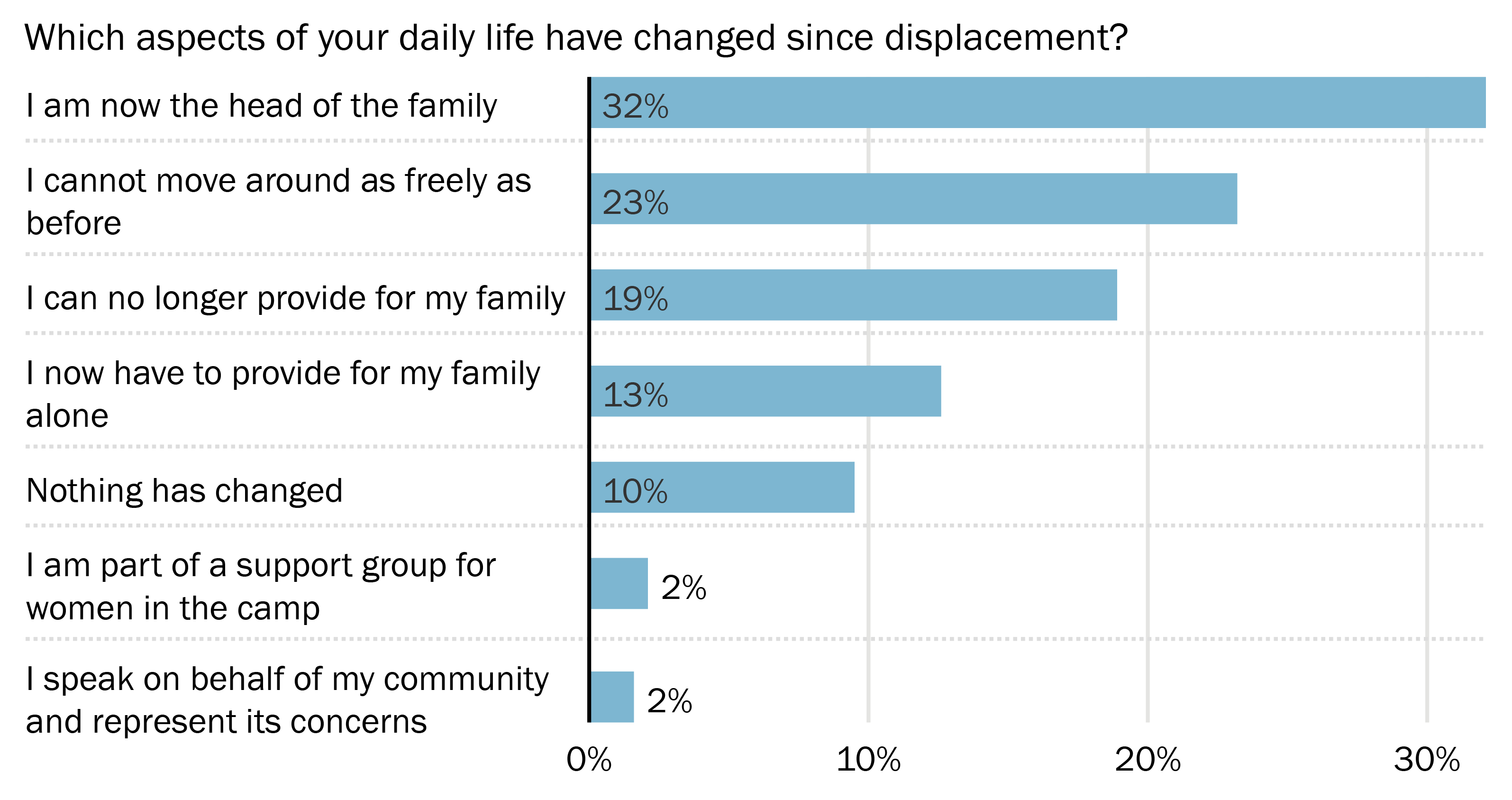
Figure 16. Perceptions by women of the aspects of daily life that have changed since displacement
Source: SIPRI and the Office of Advice, Training, Research and Studies (Bureau de Conseils, de Formations, de Recherches et d’Etudes, BUCOFORE), Perception survey, April–May 2024.
The survey data shows that 19 per cent of Sudanese refugees and Chadian returnees said that the biggest change was that they no longer have the means to support their families. Of the Sudanese women, 44 per cent worked in agriculture before displacement and only 17 per cent have worked in agriculture since. Of those who responded that they were a housewife or unemployed, there were 11 per cent before displacement against 35 per cent since displacement (see figures 17a and 17b). One refugee described the deterioration in her living conditions as a result of conflict and displacement: ‘At home I had everything. Here I have nothing left and I have to care for everyone’s needs on my own because my husband left to look for work near the border.’130
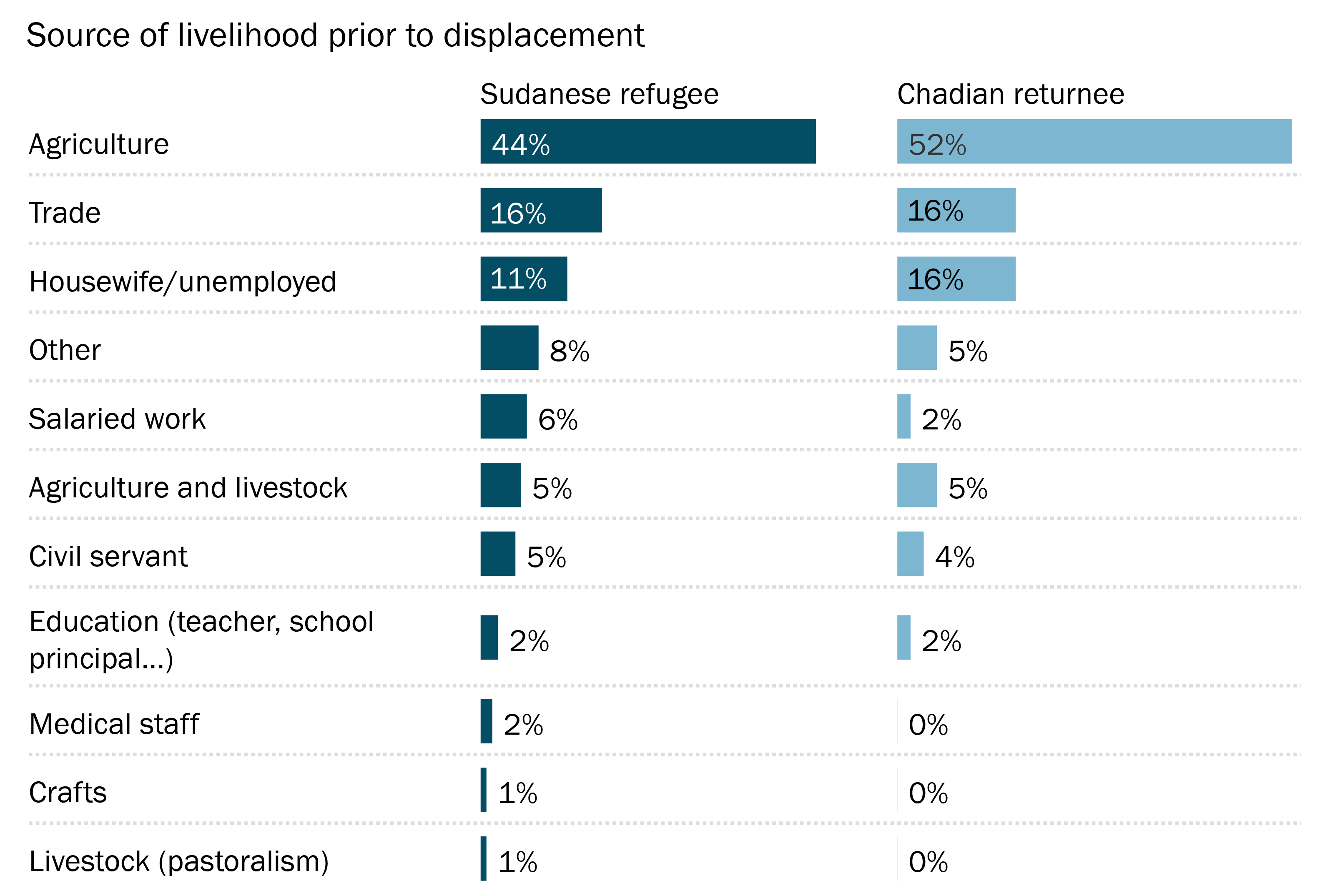
Figure 17a. Source of livelihood prior to and since displacement, by status
Source: SIPRI and the Office of Advice, Training, Research and Studies (Bureau de Conseils, de Formations, de Recherches et d’Etudes, BUCOFORE), Perception survey, April–May 2024.
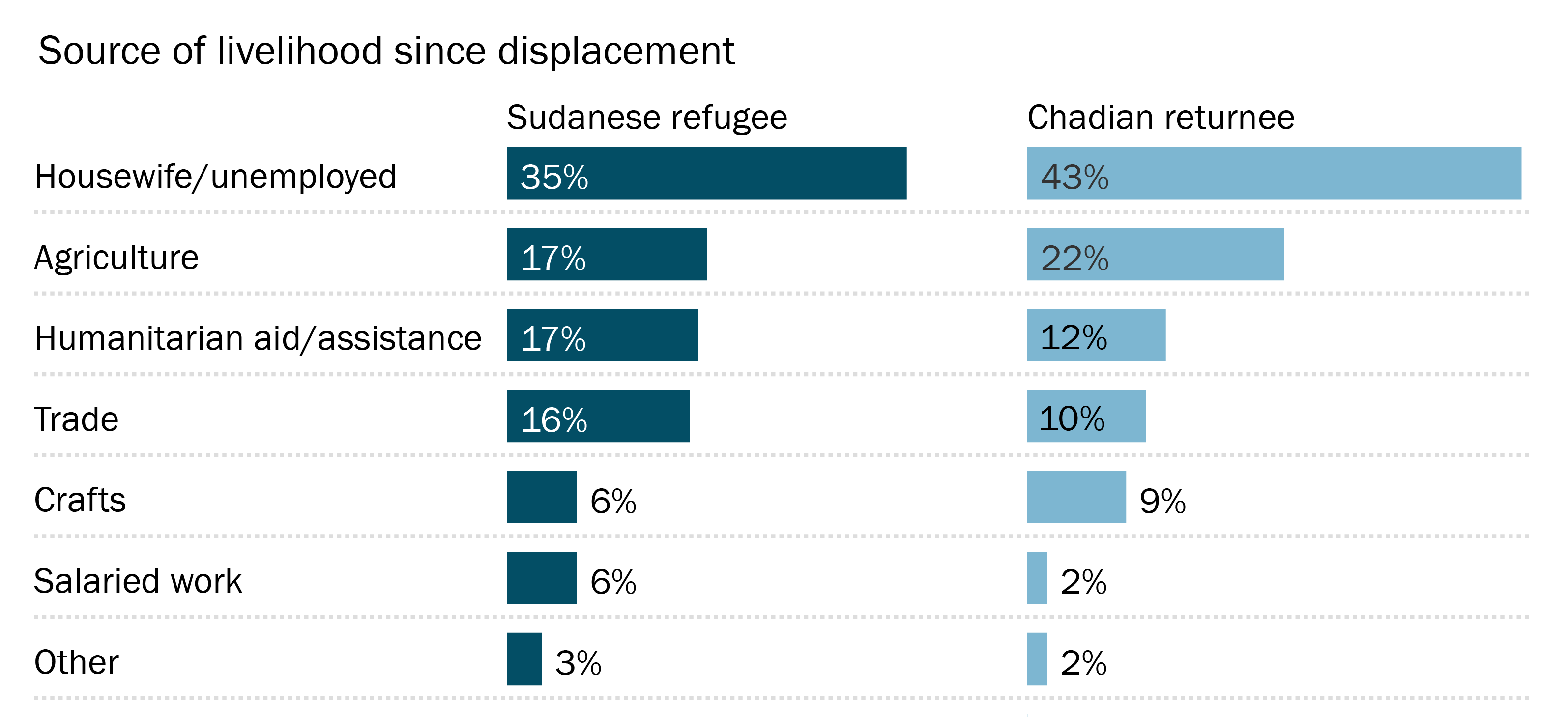
Figure 17b. Source of livelihood prior to and since displacement, by status
Source: SIPRI and the Office of Advice, Training, Research and Studies (Bureau de Conseils, de Formations, de Recherches et d’Etudes, BUCOFORE), Perception survey, April–May 2024.
The powerlessness felt by mothers who are unable to protect and properly care for their children was frequently raised in the interviews and focus groups, and the most urgent needs are food and medical care. A refugee woman in Iridimi said that children in the camp are dying of malnutrition: ‘Not being able to access medical treatment for my children and feed them properly is a big problem for me. We cannot live with children and watch them starve. Three children have already died of malnutrition since we arrived. There are also a lot of sick children here.’131 Another woman said: ‘As a mother, I am debilitated by the situation that my children are going through. To see them starving, without medicine and without education disgusts me.’132
The interview participants also deplored the harsh living conditions in the camp, to which many of them were not accustomed. While previous conflicts were confined to Darfur (42 per cent of the women come from the Darfur region, 51 per cent from other regions and 7 per cent from Khartoum), the current conflict covers the whole of Sudan, and many refugees are from urban areas (64 per cent of the sample). For many women, tasks such as fetching water and collecting firewood were not part of their everyday lives in mainly urban areas, where they could rely on basic infrastructure and services prior to displacement. According to one Sudanese refugee recently arrived at the Iridimi camp:
In Sudan, I was a teacher. I have been teaching for 20 years but since arriving here I have not been able to get a job. At home, I never had to fetch water. Nor did I go to collect wood. I had drinking water at home and I cooked with gas. Now I go to the market and do whatever needs to be done to get some money. I help people here and there. I also wash clothes in people’s homes to get some money. You see, most of the people who are here in Iridimi camp come from the big cities in Sudan. They are not used to working in the fields and other chores involving water and searching for wood. This is what makes things harder for us. 133
In the camp, many women often find themselves forced to carry out tasks that represent a departure from their previous lives. Comments from Sudanese women suggest that their standard of living was higher in Sudan, and that they are now required to take on responsibilities—such as fetching water—that were not part of their lives back in Sudan. As one participant explained during the focus group in Iridimi: ‘Making bricks, fetching water and gathering wood are all things we never had to do before.’134 In Djabal, a Sudanese refugee described the dramatic change in her life since displacement:
My whole life has been turned upside down. I don’t know how to explain it. I was working in the hospital. My husband was farming. With our children, we were fine. Now my husband and I are both sick. We can’t work to support our children; we can’t support ourselves. If the humanitarian organizations stop helping us, the future is pretty bleak for everyone.135
One important but perhaps often overlooked aspect of the transformation of the everyday lives of women and girls is constrained mobility: 23 per cent of displaced respondents said a major change in their life was that they could no longer move freely (see figure 16). This is often linked to the prevailing sense of insecurity in and outside the camp. The lack of freedom of movement impacts their access to care and basic products (firewood) that they need for their everyday needs. Living in the camp restricts their mobility, often due to a combination of social norms, security concerns and logistical barriers. This feeling of imprisonment has been reported by a Sudanese refugee in Farchana: ‘I can no longer be free in my movements. I work hard for very little gain. I am very afraid for my daughter’s life.’136 Displacement also often entails a loss of private space for Sudanese refugee women and girls.137 This is particularly the case in refugee camps where overcrowding and the flimsiness of shelters accentuate the feeling of homelessness and exposure to all sorts of risks and threats.138
The impact of displacement on gender roles
In Sudan, gender relations are marked by the prevalence of conservative cultural and social norms that confine women to traditional gender roles, often typically entrenching women’s subordinate status and reinforcing women’s dependence on men.139 Men are usually regarded as the heads of household with the main responsibility to generate income, while women are generally viewed as responsible for children and homemaking.
The research findings confirm that the vast majority of Sudanese refugees and Chadian returnees (74 per cent) reported performing tasks that are usually performed by men (see figure 18). For 59 per cent of these respondents, this is to provide for their family.
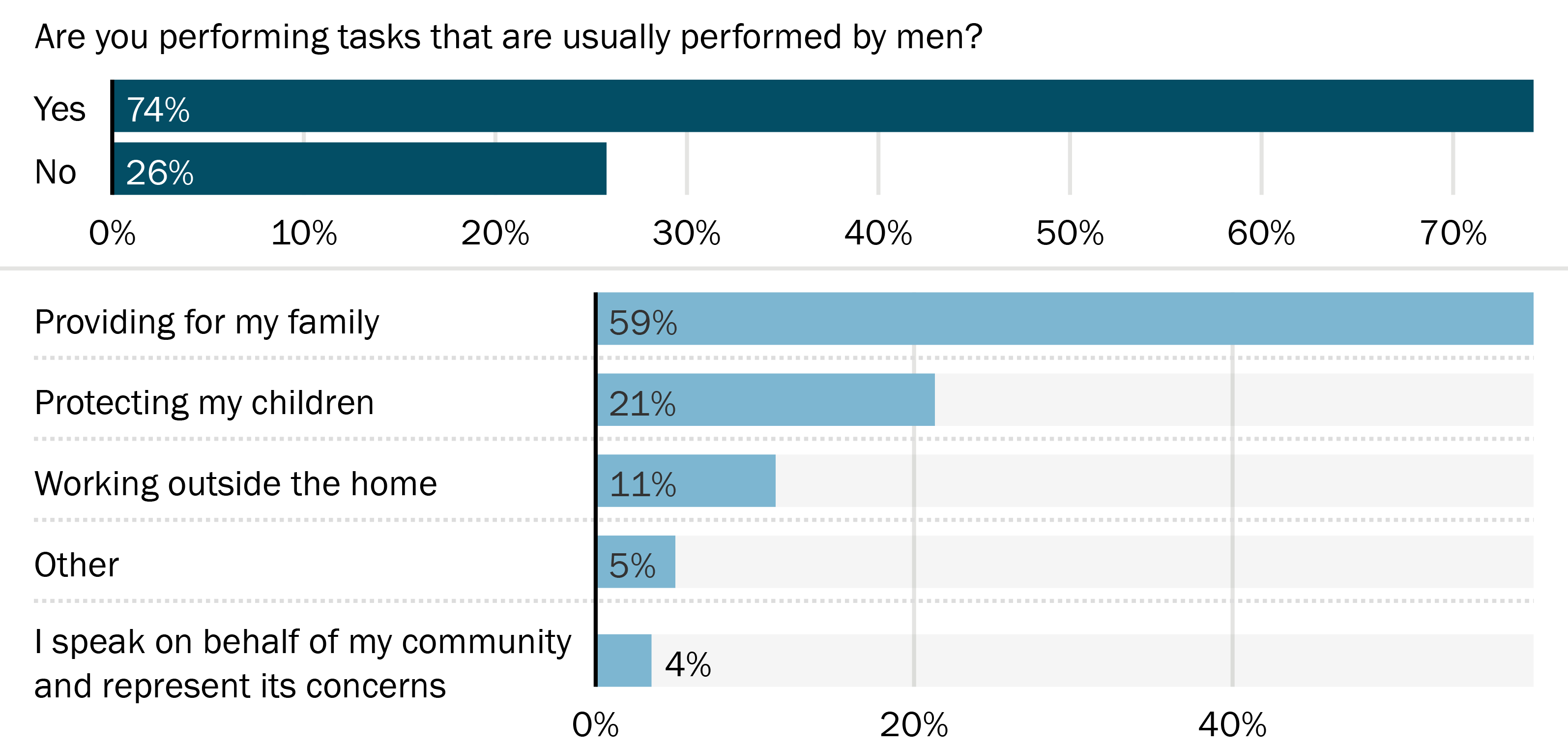
Figure 18. Perceptions by women of whether they are now performing tasks usually done by men
Source: SIPRI and the Office of Advice, Training, Research and Studies (Bureau de Conseils, de Formations, de Recherches et d’Etudes, BUCOFORE), Perception survey, April–May 2024.
During the focus group discussion at Farchana, participants reported that they now had to perform tasks previously performed by their husbands and male relatives. One of them said: ‘Before, my husband did everything. Now, I am alone with the family, and I am not able to provide for our needs at all.’ Another participant said: ‘Today, I work more than the men because there are many women here; men are hiding because they are in more danger.’140 Another woman in Iridimi reported: ‘Soon after we arrived here, my husband left to work in Tiné to earn some money. In Sudan, I didn’t even have to leave the house. My husband was the one who worked. Now I have to collect gravel to get money.’141
Men often seek work outside of the camps and may be away for variable periods of time, and some have stayed in Sudan. Women who are widowed or on their own are in charge of the family, their parents or close relatives. They need to find work to meet their daily needs. As one Chadian returnee in Toumtouma explained: ‘The work I do here is to collect gravel, and people come in vehicles to buy it. This is what allows me to have a little money from time to time.’142 A woman community leader at the Djabal camp described the situation: ‘At the moment, the women break the large stones to sell them. They help make bricks and move them. They transport 500 bricks for 1000 [Central African] francs from the mountain over there all the way down.’143
The extremely limited economic opportunities for women and inadequate access to education mean that life in displacement is far from enabling a transformation of gender roles that could empower women to improve their lives. In fact, in a context of dwindling humanitarian assistance, and without the help and support of husbands and male relatives, the burden borne by women becomes even heavier as they become the primary caregivers, protectors and providers for their households.
Refugee–host relations are also negatively affected by the lack of economic opportunities in the region. This can give rise to competition between local communities and refugees, with the former holding the latter responsible for the difficulties and challenges they face. According to one aid worker, ‘In the host community, refugees are criticized for coming to take away their income-generating activities . . . Humanitarian actors work with hosts to resolve these issues.’144
The lack of economic opportunities for educated and skilled refugees is an issue for many refugee women. Participants in the Iridimi focus group felt frustrated that many women found it difficult to find a job that corresponds to their skills or training or is in the same sector as their work in Sudan. As one put it: ‘There are people among us with a lot of skills, but the humanitarian organizations are more interested in recruiting from outside the community. We have teachers and several nurses, but we are not allowed to practice.’145 The lack of opportunities impacts their lives in the camp but also their future. This forces women to look for opportunities to survive but it does not enhance the community’s self-sufficiency.
Hopes and concerns for the future
For most respondents, there is no question of returning to Sudan while the conflict is ongoing. While women and girls express the urgency in accessing basic necessities such as water, food and medical treatment, they also express concerns about the future. According to the survey results, 57 per cent of respondents said food insecurity was their main concern, and 24 per cent said the lack of a future was their main concern; meanwhile 17 per cent were most concerned about their exposure to violence (see figure 19). During the interviews, many women said they were concerned about access to education, especially at the university level. In the words of one: ‘There is no university here and that is a problem. Some of my children were at university in Sudan before we fled the war but here they can’t study. But for those who are in primary school, thank God they go to school here.’146 A young woman in the Iridimi refugee camp also expressed a hope to continue her studies:
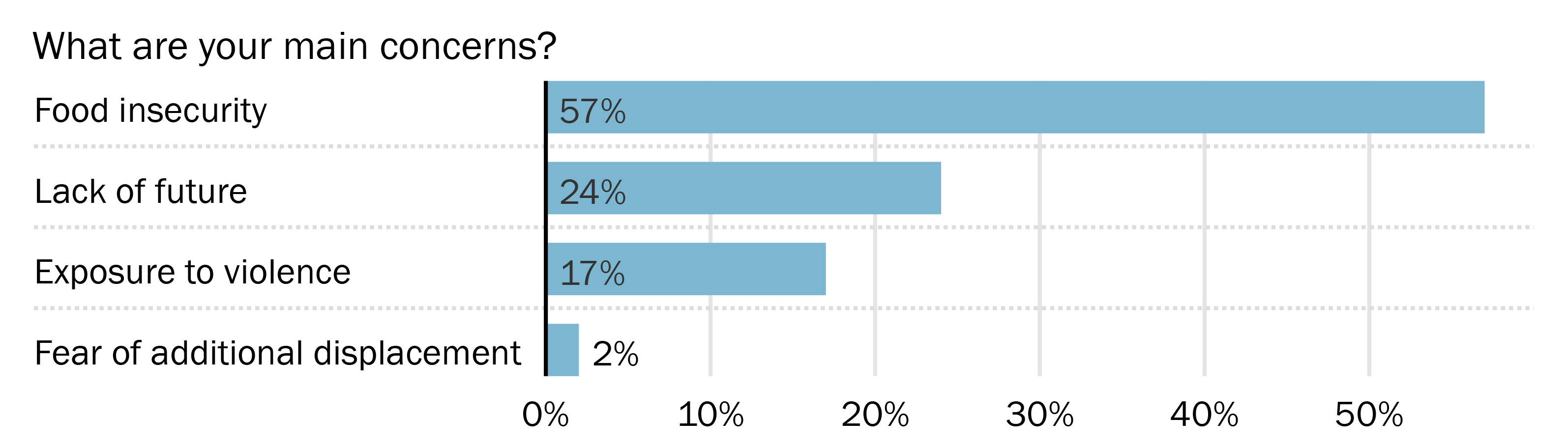
Figure 19. Perceptions by women of their main source of concern
Source: SIPRI and the Office of Advice, Training, Research and Studies (Bureau de Conseils, de Formations, de Recherches et d’Etudes, BUCOFORE), Perception survey, April–May 2024.
I have already passed my final exams. I have to go to university. They don’t have that level here. I want to study medicine. So I have to go somewhere else, to another country . . . I plan to stay in the camp for the time being, but in the future I would like to go to Europe to study to secure a future for my children. I won’t go back to Sudan. If there is peace one day I will go back, but at the moment it is not possible.147
As the account of this young woman shows, the issue of return is also central to how displaced women envisage the future: 44 per cent of the Sudanese refugees and Chadian returnees surveyed said they wanted to go to Europe, 18 per cent said they would like to settle in Chad and 17 per cent said they would like to return to Sudan (see figure 20). In Farchana, another young woman expressed the same aspiration to move to Europe or North America to pursue her education: ‘I can no longer go back to Sudan. I want to have the possibility of going to Canada, England or America to continue my courses.’148 Ensuring that children have access to education is among the main reasons why many women would like to go to Europe. As one woman displaced for the second time in eastern Chad explained:
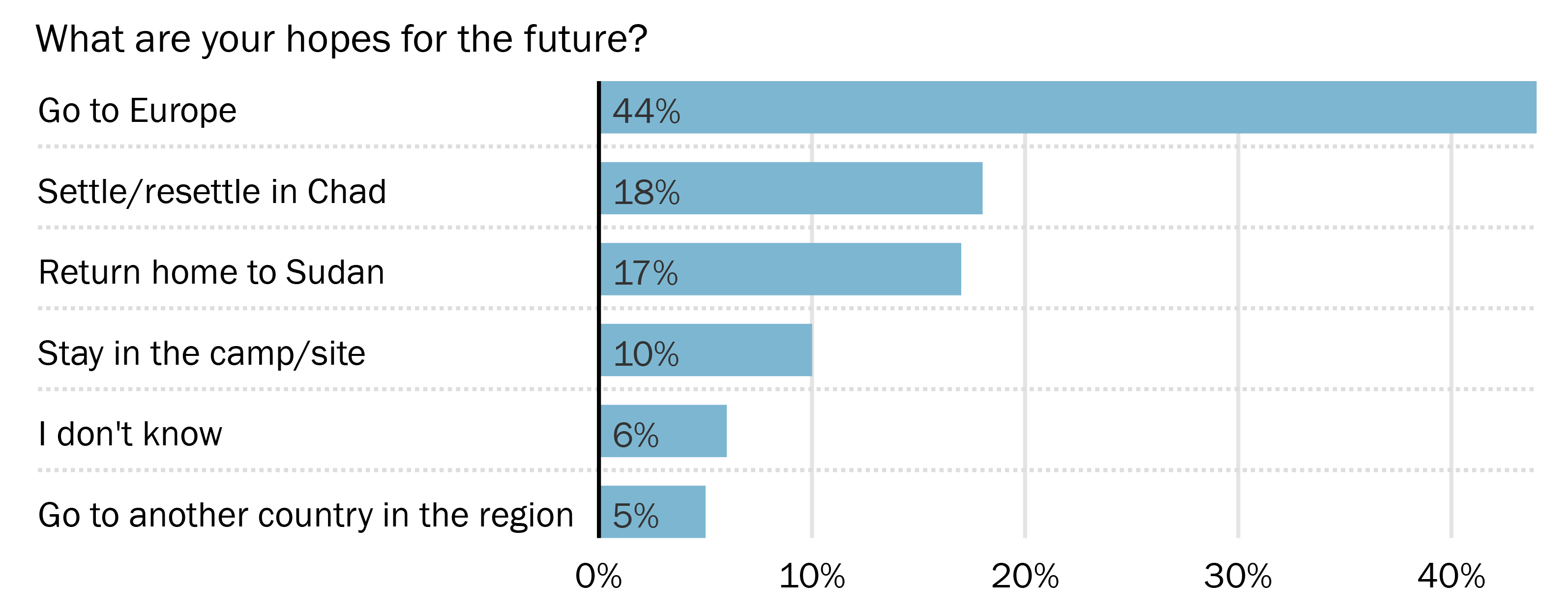
Figure 20. Perceptions by women of their hopes for the future
Source: SIPRI and the Office of Advice, Training, Research and Studies (Bureau de Conseils, de Formations, de Recherches et d’Etudes, BUCOFORE), Perception survey, April–May 2024.
Currently, I can no longer go back to Sudan. If I go to the whites [the West] at least my children will be able to study. [Last time] I went back to Sudan because I wanted my children to study. But even 10 years later, the situation in Sudan is not likely to improve. Here in Chad, there is no food, no market gardening areas, whereas there, there is everything. But I really can’t leave again. Here in Chad, if I was just given a little food, I wouldn’t even talk about Sudan.149
As one Sudanese woman put it: ‘The conflict in Sudan is not over. People keep coming. Why would I go back there? I am looking for a better future for my children. If not here, it would be elsewhere, but not in Sudan.’150 With their houses destroyed and villages burned, many have nothing to return to in Sudan. These women’s reluctance to go back to Sudan is due to the uncertainty of the security situation. The violence that many women have experienced or witnessed has left a deep scar. In the words of one participant in the focus group discussion in Iridimi: ‘Our house caught fire. I don’t have a home in Sudan anymore. I’m looking for a better future for my children. I’d rather go somewhere else, anywhere, but not back there.’ Returning to Sudan is likely to exacerbate the trauma. Another participant in the focus group stressed that ‘Even if Sudan came to me here, I wouldn’t go back. I would never want to see what I saw there again in my life.’ Another participant stated that ‘This war isn’t going to end soon. What are we going to do over there?’ Yet another stated: ‘I can’t think of going back to Sudan now. Maybe one day, when peace returns.’151 As the war in Sudan drags on and conflict resolution continues to be a distant prospect, large numbers of Sudanese refugees are likely to experience long-term displacement in eastern Chad. This raises the question of refugee–host interactions and the impact on social cohesion in the region, which is addressed in the next chapter.
6. Refugee–host relations and social cohesion in eastern Chad
Local populations in eastern Chad have welcomed people fleeing violence in Sudan for many years. However, the growing number of refugees presents a major challenge for a host country population struggling with high levels of poverty and an increasing difficulty to meet basic needs. Chad, one of the poorest countries in the world, is host to more than 1.3 million refugees—the largest per capita share in Africa. These refugees are predominantly from Sudan, but also from Cameroon, the Central African Republic and Nigeria.152
Until recently, humanitarian action has focused on refugees and overlooked the impact on host societies, particularly among poorer groups. Evidence from new policies and new ways of working in displacement contexts show that the risk of overlooking host communities is now recognized and factored into humanitarian assistance strategies.153 Lessons learned from past experiences in fragile, conflict and post-conflict settings where disparities in assistance led to refugee–host tensions have prompted enquiry into the matter and greater action towards doing no harm and avoiding creating refugee–host antagonism. Research has shown that perceptions of inequal distribution of aid can lead to tensions between host populations and refugees/IDPs under certain conditions, but that humanitarian aid can also foster social cohesion outcomes if deliberately included in the design of interventions and programming.154 While there is still room for progress and greater inclusion, humanitarian organizations increasingly target refugees, IDPs and host communities to mitigate the risk of refugee–host tensions.155 A better understanding of the impact on host communities is crucial to strengthening their resilience to the fallout from armed conflict in neighbouring states. Moreover, addressing the grievances of host communities can help improve refugee–host relations, foster social cohesion and ultimately improve conditions for both host communities and refugees by, for example, creating economic opportunities that benefit both communities.
This chapter examines the dynamics of refugee–host relations in eastern Chad, shedding light on a variety of coexisting experiences and perceptions, ranging from compassion and solidarity to mistrust and tension. The findings reflect the perspectives of woman Sudanese refugees, Chadian returnees and Chadian local residents, complemented by the perspectives of aid workers and local authorities. The findings provide insights into how women in particular experience the dynamics of refugee–host relations in eastern Chad but also offer an indication of the broader state of these relations.
Solidarity and assistance from local communities
Chadian communities in eastern Chad demonstrate solidarity with other communities affected by conflict and displacement by providing assistance to refugees. Local communities often spontaneously provide aid to arriving populations, but this is arguably more likely when there are family or community ties, as is the case in eastern Chad. While protection is primarily the responsibility of governments, assistance is usually provided first by communities and then by national and international NGOs.156 For example, communities are usually the first to provide water, food and clothing. However, the burden on communities increases the longer the displacement lasts. Moreover, when IDPs or refugees settle in regions where resources are already limited, the burden on communities becomes even greater.
In the survey, 21 per cent of the Sudanese refugees and Chadian returnees said they had received help from local Chadian communities. According to the respondents, aid comprised primarily water and food. Access to land was also sometimes provided. Many local Chadian respondents confirmed that they had given food, land and water. A Chadian returnee reported:
There was a well here. Now it has a problem, and humanitarians are restoring it. We are thus obliged to go to other people’s wells, and that is the source of the problem. Not everyone accepts having water drawn from their well. It’s also true that the people in the surrounding villages help us a lot. Without that, what were we going to do? Alone, we can’t do anything because we have nothing left. When we run out of food, we go to see them and they give us some. They sometimes give us beans, oil and other small things. This helps us to hold on.157
Land is an important aspect as many refugee women depend on subsistence farming for their livelihood. As already mentioned, women need to find ways to support themselves and this includes having access to a plot of land to cultivate and feed their families, which depends on local communities. Furthermore, some women had never farmed before. The land is usually provided by local communities in exchange for a proportion of the harvest. As a Sudanese refugee in Djabal explained: ‘Currently it is their [local communities] land that they give us for agricultural work. We are fortunate to have this. Otherwise, the situation would have been more complicated now that we no longer receive assistance.’158
Refugees who have been displaced in eastern Chad for a long time tend to be more integrated into the host community. In Djabal, a long-term refugee described relations with local communities: ‘I am a refugee, but I’m already so used to the people here, so I consider myself at home here. The locals help us a lot. They give us land. There is no difference between us. At the market, we sell our products together.’159 This is confirmed by the survey data, which shows that long-term refugees are more likely to report having good relations with Chadian residents (52 per cent) than recently displaced respondents (40 per cent). The latter are also more likely to report having very bad relations (16 per cent, compared to 2 per cent for long-term refugees) (see figure 21).
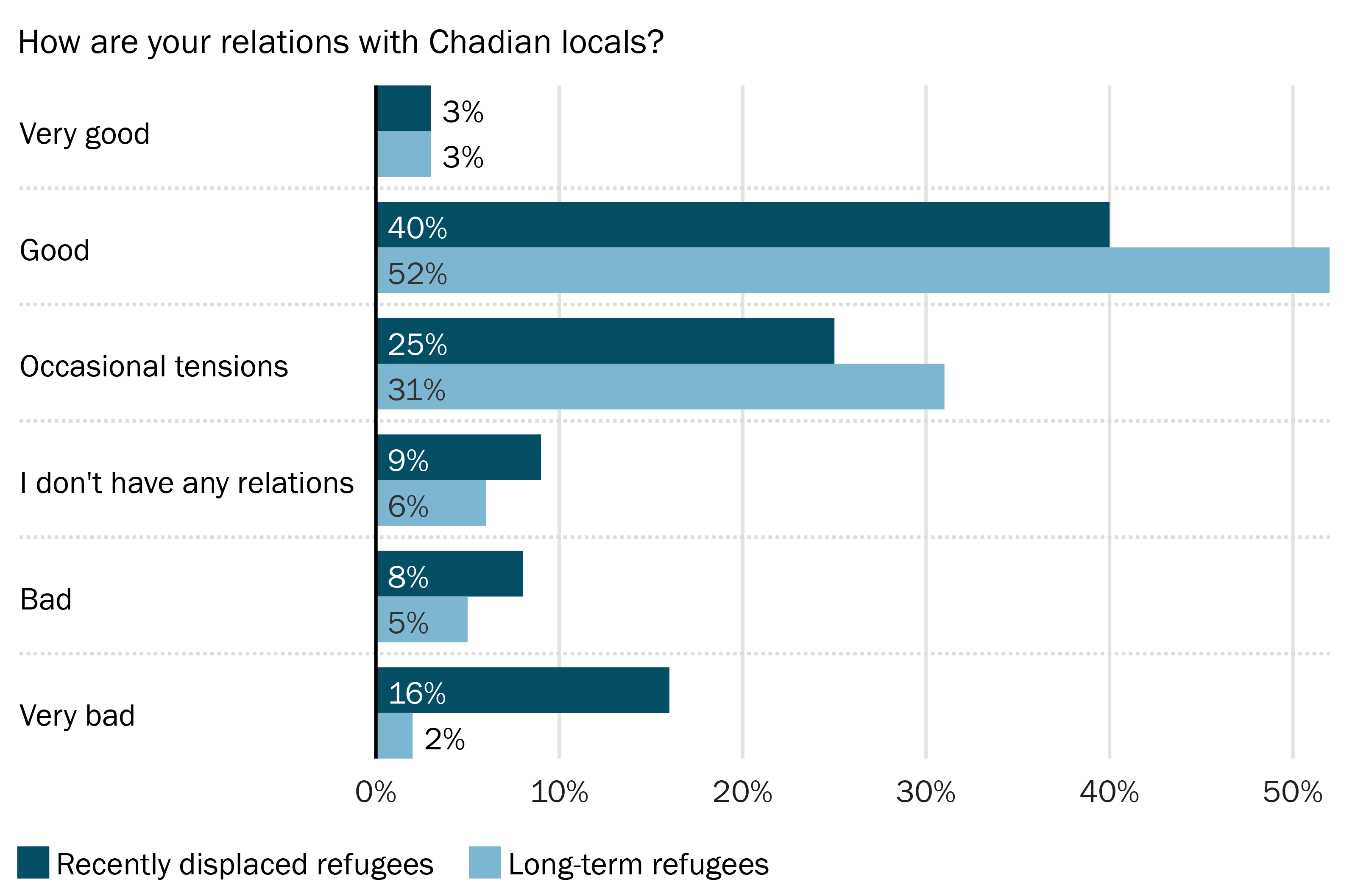
Figure 21. Perceptions by woman refugees of their relationship with Chadian locals, by duration of displacement
Source: SIPRI and the Office of Advice, Training, Research and Studies (Bureau de Conseils, de Formations, de Recherches et d’Etudes, BUCOFORE), Perception survey, April–May 2024.
According to the survey results, approximately half of refugees and returnees have ‘good’ or ‘very good’ relations with local Chadian communities (46 per cent and 3 per cent respectively). Similarly, over half of surveyed Chadian residents said they have ‘good’ or ‘very good’ (47 per cent and 7 per cent respectively) relations with refugees and returnees (see figure 22).
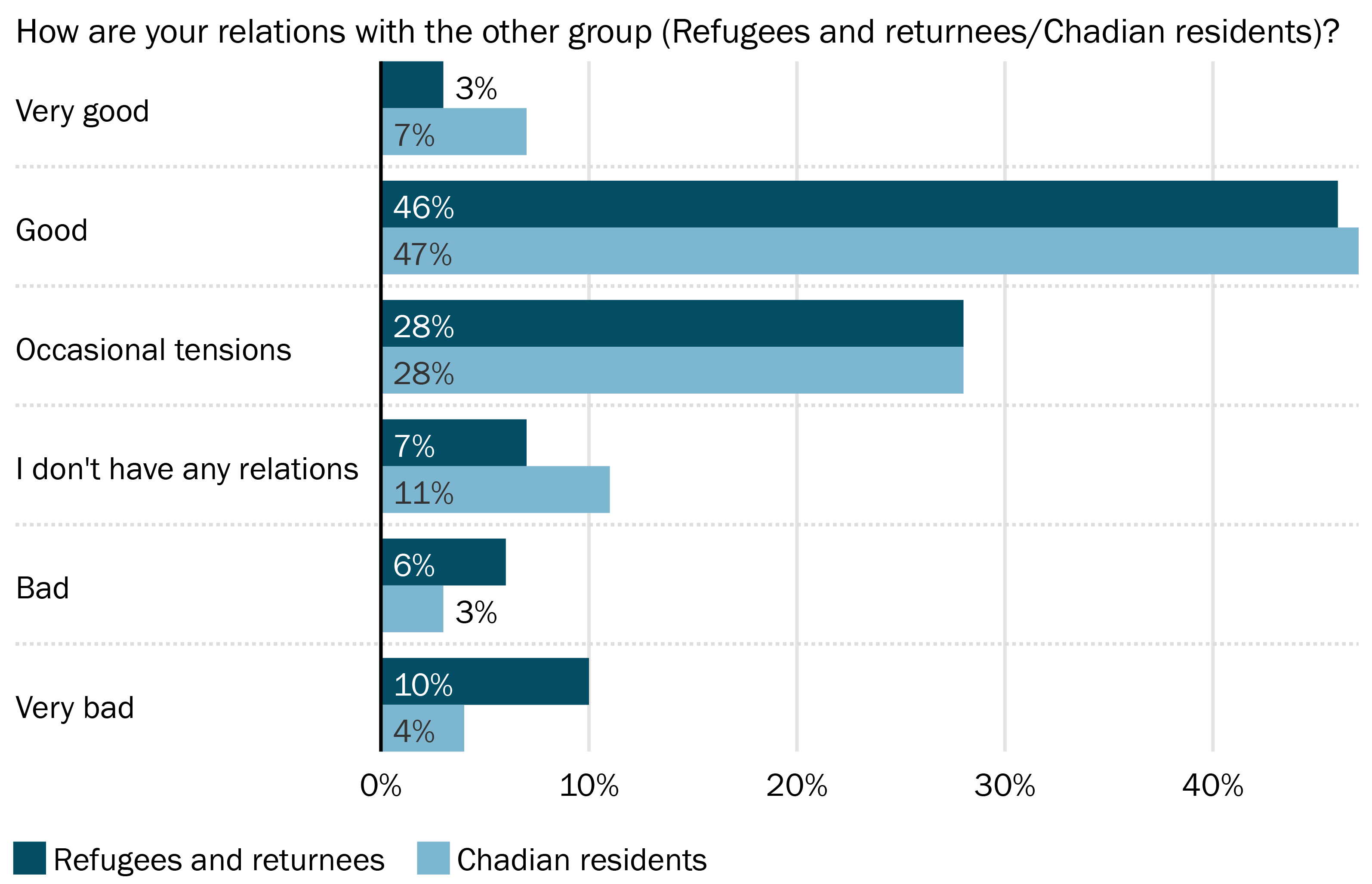
Figure 22. Perceptions of refugee–host relations, by group
Source: SIPRI and the Office of Advice, Training, Research and Studies (Bureau de Conseils, de Formations, de Recherches et d’Etudes, BUCOFORE), Perception survey, April–May 2024.
Tension and mistrust
While refugee–host relations are often characterized by solidarity, they can also exhibit signs of tension and mistrust. A proportion of respondents (28 per cent of each group) believed their relations with the other group to be marked by occasional tensions. Some even said relations were ‘bad’ or ‘very bad’. This perception, however, is more pronounced among Sudanese refugees and Chadian returnees: 6 per cent of them said their relations with Chadian residents were ‘bad’ and 10 per cent said relations were ‘very bad’ (see figure 22). During the focus group discussion in Farchana, Sudanese refugee women talked about relations with local Chadian women. One reported that ‘I stay here at the camp. I don’t approach them.’ Others described how, ‘Our relations are bad. They [local women] say we bother them, and they even came to break our shelters in front of our eyes.’ Some stated that ‘We prefer not to have relations with them because they [local women] are not welcoming’ and ‘relations are not good here’.160 Tensions and mistrust are primarily linked to the availability of resources, the limited assistance provided to women from vulnerable host communities and feelings or perceptions of insecurity (see below).
Resource availability: Land, water, food and firewood
Host communities view access to resources as the main cause of tensions with refugees. According to the survey data, 48 per cent of the Chadian residents see access to resources such as water, food and firewood as a key driver of conflict and 23 per cent cited land disputes as a cause of tension (see figure 23).
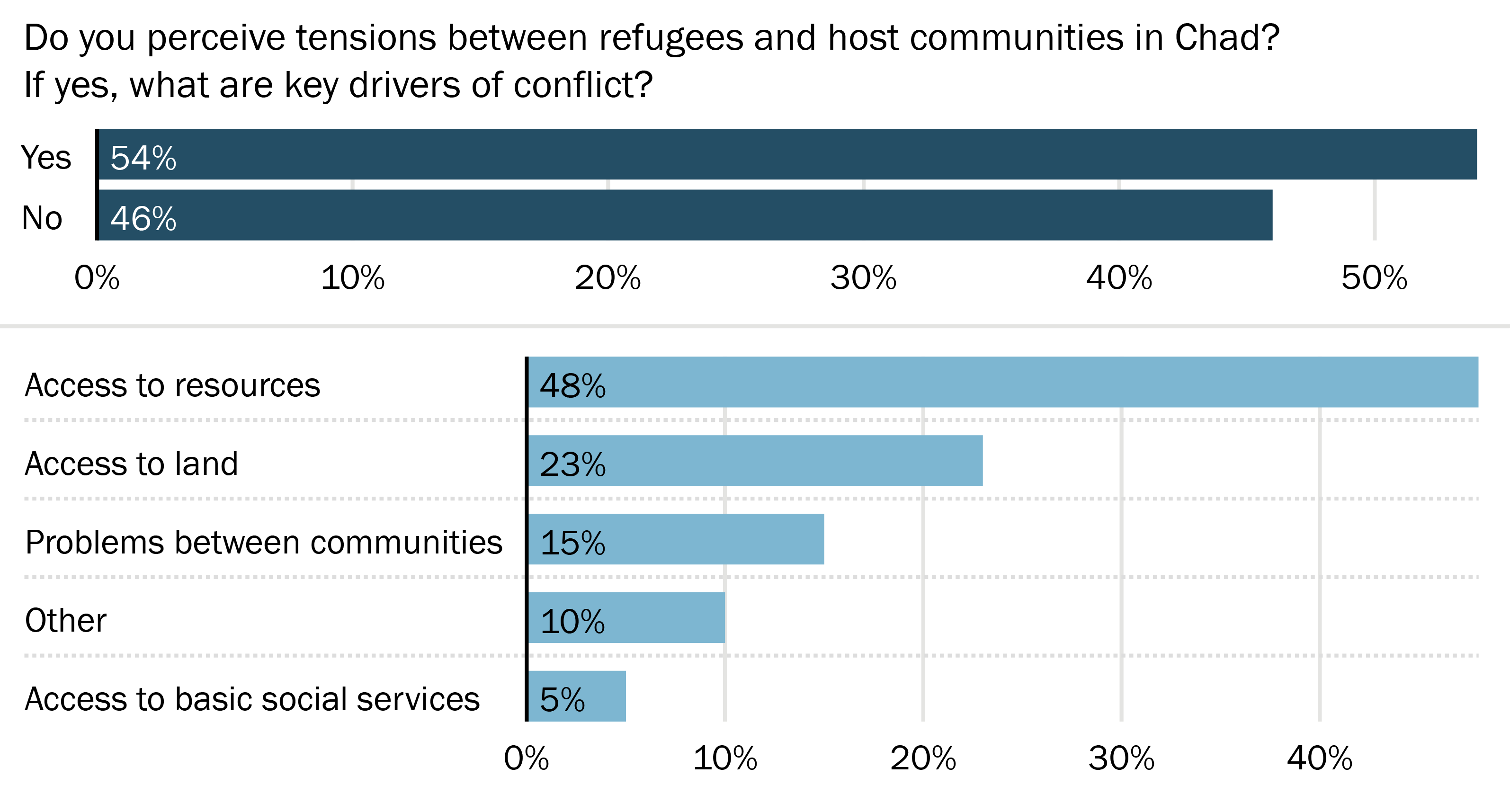
Figure 23. Perceptions by Chadian residents of tensions between refugees and host communities
Source: SIPRI and the Office of Advice, Training, Research and Studies (Bureau de Conseils, de Formations, de Recherches et d’Etudes, BUCOFORE), Perception survey, April–May 2024.
When asked whether they thought there were enough resources for everyone in eastern Chad, the vast majority of Sudanese refugees and Chadian returnees (97 per cent) responded in the negative. Chadian residents shared this perception. Over 90 per cent said that resources in the area were insufficient to meet the needs of the growing population. Among Chadian residents, 51 per cent of respondents saw land as the most limited resource, 31 per cent identified food and 12 per cent water (see figure 24).
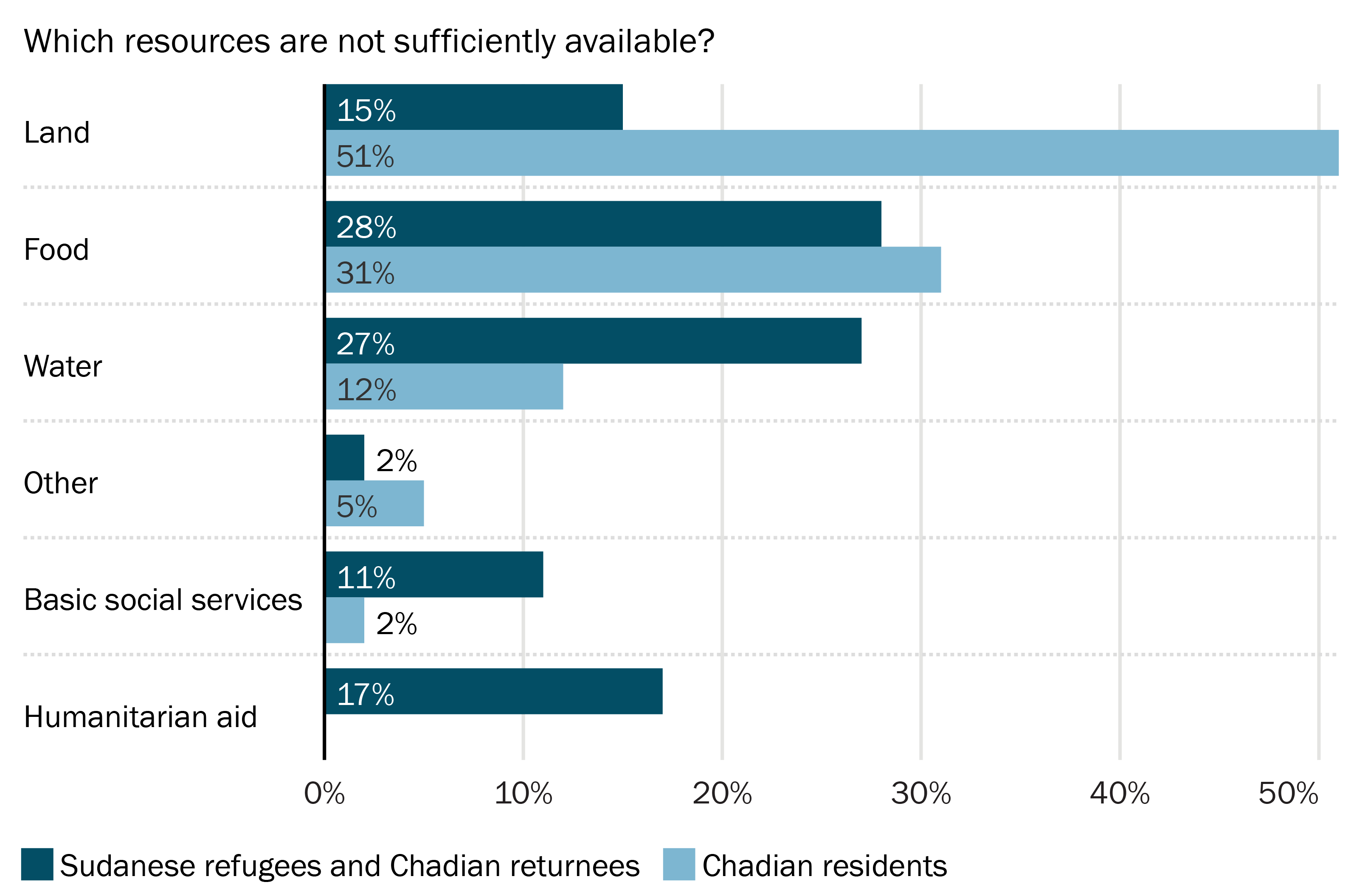
Figure 24. Perceptions by refugees and Chadian residents of which resources are not sufficiently available
Source: SIPRI and the Office of Advice, Training, Research and Studies (Bureau de Conseils, de Formations, de Recherches et d’Etudes, BUCOFORE), Perception survey, April–May 2024.
Land ownership and use play an important role in relations between refugees and host communities in eastern Chad, not least because the land is used to set up camps for refugees. As an aid worker explained:
There are always conflicts. Often the conflicts are over land—the newly arrived occupied my field; it was on my land that the camp was set up—yet the refugees are settled by the government, which identifies the places in collaboration with the host communities before allowing humanitarian actors to install them; but when there is an influx of people, someone can go far for example in search of wood, and they trespass on someone’s land.161
For refugees, tensions with host communities over land create a feeling of being unwelcome, which accentuates the sense of homelessness caused by war and displacement. Whatever relief refugees may have felt in finding a safe haven can be overshadowed by the fear of being driven out by host communities. This mix of security and insecurity is demonstrated by the words of a recently displaced Masalit women in Farchana: ‘I feel safe. I’m just afraid that things will get worse or that the local communities will chase us away. They have already come to destroy our shelters and tell us that this land does not belong to us.’162
The availability of land for farming is also a key concern for local communities. Many are already allowing refugees to use their land for subsistence farming, either for rent or free of charge.163 As farming and crop cultivation become increasingly challenging in a context of drought and erratic rainfall, host communities face a growing risk of food insecurity.164 In Farchana, a Chadian official explained that the availability of cultivable land is an issue since ‘before, people used to live from land cultivation, but now there is no more space to grow crops, the crops are failing and the rains are getting scarcer, so there is a risk of a food crisis.’165
The increasingly limited availability of water, food and firewood is likely to undermine refugee–host relations and social cohesion in eastern Chad. According to a Sudanese refugee in Iridimi, ‘resources have become scarce, and this is what poses a problem between the refugees and the natives. People talk to us badly when we go to get water and wood, but we don’t respond. What can we say?’166
Pressure on water resources is widely felt in the region and often gives rise to tensions. The representative of the National Commission for the Reception and Reintegration of Refugees (Commission Nationale d’Accueil et de Réinsertion des Réfugiés, CNARR) in Iriba described how the increase in population numbers has affected access to water: ‘The biggest challenge here is water. Although there are some hydraulic installations, the refugee population has almost doubled in just a few months . . . The number of refugees has increased drastically so there is no longer enough water.’167 Moreover, existing water points do not always work, as many women pointed out: ‘The water points are almost all broken and no one repairs them. The humanitarian organizations have left, and it is difficult without them.’168
There were many accounts of quarrels breaking out at water points. One refugee in Djabal reported that ‘getting water is complicated here. We have to line up [containers]. The water does not flow all the time. There are too many people and not enough water. There are people that have already fought at water points.’169 In the returnee village of Gourgoune in Sila province, one woman said: ‘People here are not very nice to us. Once, we displayed our goods and a woman came to take away our things, saying that we are taking up her space . . . For water, you especially need to have a lot of patience. There are always too many people and fights can occur.’170
Mitigating tensions: Assistance to host communities
Both refugees and host communities in eastern Chad face harsh living conditions. Drought and other climate-related challenges increase the risks of food insecurity and malnutrition, and the arrival of large numbers of refugees has exacerbated the situation for host communities.171 The surge in population has increased food prices. In Iriba, a Chadian official explained that ‘everything is now more expensive on the market, and the local population is left to its own devices. Humanitarian actors assist refugees so they must also provide some aid, even if it is small, to the local populations.’172 Local Chadian communities may not have fled conflict or war, but that does not mean that they are not vulnerable and in need of support. A village chief in Ouaddaï stressed: ‘You should know that even among the local communities there are vulnerable people who need help. Assistance is currently aimed at the most vulnerable refugees and everyone else receives nothing. It is harsh.’173 As a result, many Chadian residents often go to camps and refugee sites in the hope of receiving some assistance too.174
Local communities in eastern Chad have limited access to basic social services, and the arrival of refugees is often perceived as putting pressure on already weak infrastructure. Some argued that in some cases the refugees in the camps have access to services that Chadians in neighbouring villages do not. For example, the Chadian village of Lera near the Breidjing refugee camp in Ouaddaï has no school and village children must go to schools in the camp to get access to education. According to the village chief, ‘there are many children who don’t go there. There is a need to open a school in the village too.’175
These statements and findings illustrate resource scarcity and the interconnectedness of both challenges and opportunities in addressing refugee and host communities’ needs. Therefore, these findings suggest that expanding infrastructure and integrating local and refugee needs into humanitarian and development plans could provide solutions, benefit both populations and avoid causing tensions over resource allocation.
7. Conclusions
This research analyses the situation of woman and girl refugees in eastern Chad and assesses the extent to which they perceive that life-saving responses are meeting their needs. Based on mix-method research, the research analysed humanitarian responses to Sudanese refugees and Chadian returnees affected by the conflict in Sudan, the threats, risks and vulnerabilities facing women and girls, social cohesion and gender norms. Based on four demographic groups (recently displaced Sudanese refugees, Chadian returnees, long-term Sudanese refugees, and local communities in Chad), the paper has discussed the perceptions of security, risks factors and existing mechanisms to handle the effects of living in a conflict-affected area. It has explored the changes in their security, socio-political and economic environment.
In the Chad–Sudan border region, women and girls continue to face considerable threats to their safety, and the level of protection provided falls short of what is necessary. This research has shown that while women report feeling relatively safer after arriving in Chad, they still face a range of threats and risks, including sexual violence, severe shortages of water and food, and limited access to healthcare, education and economic opportunities. The limited capacity of humanitarian organizations to respond to the needs of displaced people further hampers the capacity of those organizations to respond to the challenges women face.
The limited availability of humanitarian assistance is symptomatic of a wider, fundamental crisis in humanitarian action. The international community is not only overwhelmed by the multitude of conflicts around the world that require an emergency humanitarian response but also constrained by geopolitical rivalries and power struggles at various levels that make it extremely difficult to channel urgently needed assistance to conflict-affected populations. Regardless of the exact underlying factors, the situation in the Chad–Sudan borderlands is dire and there are warnings of further deterioration, including signs of a looming famine unless action is urgently taken.176
8. Recommendations
The aim of this research is to encourage humanitarian actors to adopt an evidence-based approach in addressing the issues of women and girls affected by conflicts. The findings from this study underscore the need to better respond to the priorities of women and girls and to better assess the concrete impacts of policies and interventions on women and girls affected by transnational movement.
The recommendations set out below are directed at policymakers, humanitarian actors and the donor community concerned with the situation in the Chad–Sudan border region. They might also be relevant to improving the effectiveness of humanitarian programmes in other contexts affected by transnational conflict and displacement.
Strengthen gender responsiveness in humanitarian programming. The research has highlighted that the most pressing needs are shared by both men and women, but some needs are specific to women, most of whom feel that these needs are not being adequately addressed. In context of displacement, it is essential to address the distinct gendered needs and vulnerabilities (SGVB, limited access to reproductive health services, social pressure around traditional masculine roles). The insights from respondents about specific gendered challenges facing women and girls in the camps in relation to water, healthcare and hygiene demonstrate that the infrastructure in place is not currently gender responsive. However, it goes beyond acknowledging gender disparities but considering intersecting identities (such as age, disability, ethnicity, social role, power dynamics, religion, etc.). Understanding how identities intersect would help to design more comprehensive protection programmes. Social, economic and ethnic positions impact the needs and the way in which women approach and benefit from humanitarian assistance and how they feel protected.
Address sexual and gender-based violence. The significant incidence of sexual violence underscores the need for urgent protective measures and services that address both immediate safety and long-term recovery for women and girls. Prevention must be built on early intervention (when the camps are set up), such as the creation of safe spaces in the camps, separate hygiene areas and sufficient lighting at night. The availability of aid would also mean that women do not have to travel into areas consider unsafe, for example to collect wood, which is considered an activity where the risk of sexual violence is high. Services should include psychosocial support, medical care, legal assistance and safe shelter. Accounts of rape-related pregnancies highlight the lack of care, the risks to women’s health and the social consequences for these children. The presence and involvement of female humanitarian staff is also critical in most cases. Prevention needs to target men and boys, not only as potential perpetrators but also as potential victims, to raise awareness of behaviours and social norms that perpetuate violence, stereotypes and power dynamics. To achieve this in a conflict-sensitive manner, humanitarian organizations must ensure the required trainings for their staff and build proper infrastructure.
Prioritize work opportunities for displaced women. In displacement contexts, women have limited access to economic resources and income-generating opportunities. The lack of economic opportunities entrenches the vulnerability of woman refugees, leaving them exposed to abuse and exploitation. Livelihood programmes implemented by NGOs can contribute to supporting their everyday needs without facing exploitation or discrimination so that women become more self-sufficient. Beyond economic opportunities, it is important to be able to provide women with income-generating opportunities aligned with their educational training (for example nurse, teacher). Women could effectively contribute to the provision of services within the camp. Many women who used to be nurses or teachers find themselves working on the land. Aligning income-generating opportunities with women’s existing skills should be a basic principle and enable these women to continue their activities and fulfil needs.
Fund the humanitarian response to match the scale of the crisis. The lack of humanitarian funding puts thousands of lives at risk and the seriousness of the Sudanese crisis should be addressed through a coordinated international humanitarian response. The high number of refugees puts pressure on neighbouring states at the security, economic and social levels. The international community must act decisively to support millions of displaced people at risk of starvation. The lack of resources is also a severe obstacle to the work of humanitarian organizations; implementing a gender-responsive response requires resources, time and trained humanitarian staff. The work of national and international humanitarian organizations is appreciated, but the lack of resources leads to inconsistent programmes and unmet needs, leaving children without schooling and vulnerable people without care. Budget cuts in the United States and, to a lesser extent, the reduction of development aid by European countries and the reorientation of their priorities, contrary to needs, are contributing to additional difficulties and condemning the most vulnerable. The international community must act.
Endnotes
- 1 Human Rights Watch, ‘Darfur destroyed: Ethnic cleansing by government and militia forces in western Sudan’, May 2004; and ACAPS, ‘Sudan: West Darfur pre-crisis profile’, 2023.
- 2 United Nations Office for the Coordination of Humanitarian Affairs (OCHA), Consolidated Appeals Process (CAP): Humanitarian Appeal 2005 for Chad, Dec. 2004.
- 3 Associated Press, ‘UN official: Sudan war toll a “catastrophe’”, NBC News, 20 Mar. 2004.
- 4 Armed Conflict Location and Even Data (ACLED), ‘Sudan: Unraveling the conflict dynamics in Darfur’, 1 Dec. 2023; and International Crisis Group, ‘Halting the catastrophic battle for Sudan’s El Fasher’, Nairobi/Brussels, 24 June 2024.
- 5 Last updated Jan. 2025. This figure reflects data recorded since Apr. 2023 out of a total of 12 661 536 forcibly displaced (last updated 24 Mar. 2025). United Nations High Commissioner for Refugees (UNHCR), ‘Operational data portal: Sudan situation’, [n.d.].
- 6 UNHCR (note 5).
- 7 OCHA, ‘Sudan humanitarian update’, 25 Apr. 2024.
- 8 UNHCR, ‘UNHCR warns of surging needs in Sudan amid skyrocketing prices and gaps in humanitarian funding’, Briefing note, 23 Sep. 2022; International Federation of Red Cross and Red Crescent Societies (IFRC), ‘Humanitarian needs in Sudan grow as funding gap widens, IFRC warns’, Press release, 16 Oct. 2023; and International Rescue Committee, ‘IRC warns unfettered humanitarian access and scale-up of funding needed to avert catastrophic hunger crisis in Sudan’, Press release, 25 Mar. 2024.
- 9 UNHCR, ‘Protection brief: Chad’, 18 July 2023.
- 10 UNHCR (note 9).
- 11 UNHCR, ‘Emergency situation in Chad: Update on arrivals from Sudan as of 14 July 2024’, 16 July 2024.
- 12 Amnesty International, ‘Chad: Refugee women face high levels of rape inside and outside camps despite UN presence’, 30 Sep. 2009; and UNHCR, ‘UNHCR: Heightened risks, violations and sexual violence reported by civilians fleeing Sudan’, Press release, 15 June 2023.
- 13 UNHCR, ‘UNHCR urges support to address urgent needs of Sudanese refugees at Chad border’, Briefing note, 25 June 2024.
- 14 UNHCR, ‘UNHCR policy on the prevention of, risk mitigation and response to gender-based violence’, 2020.
- 15 Ferris, E. G., ‘Abuse of power: Sexual exploitation of refugee women and girls’, Signs, vol 32, no. 3 (2007), pp. 584–91; Dahie, H. A., Dakane, M. M. and Hassan, B. S., ‘Prevalence, patterns, and determinants of gender-based violence among women and girls in IDP camps, Mogadishu-Somalia’, Journal of Migration and Health, vol. 8 (2023); and Donnelly, E. R. and Muthiah, V., Protecting Women and Girls in Refugee Camps: States’ Obligations Under International Law (Centre for Women, Peace and Security, London School of Economics and Political Science: London, 2019).
- 16 Definitions of social cohesion vary according to the context and purpose, but they generally refer to concepts such as belonging, active participation and trust among members of a community or between communities. See Schiefer, D. and van der Noll, J., ‘The essentials of social cohesion: A literature review’, Social Indicators Research, vol. 132 (2017), pp. 579–603; and Brusset, E. et al., Measuring Peace Impact: Challenges and Solutions (SIPRI: Stockholm, Nov. 2022).
- 17 According to the United Nations Central Emergency Response Fund, life-saving responses are ‘actions that, within a short time span, remedy, mitigate or avert direct loss of life and harm to people, and protect their dignity’. See OCHA, Central Emergency Response Fund Life-Saving Criteria, accessed on 31 Oct. 2024.
- 18 World Bank, ‘Economic update April 2024: Chad, special chapter, hosting refugees in an inclusive manner’, 2024.
- 19 World Bank (note 18).
- 20 SIPRI/UNHCR/LASDEL/CEDA/CGD, ‘Enquête de perception sur les déplacements forcés en zones urbaines dans le Sahel central’, Sep. 2021; Baele, F. et al., ‘Humanitarian protection in the Liptako-Gourma region: Local protection mechanisms and humanitarian response—Field research conducted in the Liptako-Gourma region (August–September 2020)’, SIPRI, June 2023; Baele, F. et al., ‘Humanitarian protection in the Liptako-Gourma region: Local protection mechanisms and humanitarian response—Field survey conducted in the Liptako-Gourma region (June–July 2021)’, SIPRI, June 2023; SIPRI/LASDEL/DRC, ‘Étude sur l’accès des populations déplacées aux services d’intérêt général dans la région de Tillabéri’ [Study on access of displaced populations to services of general interest in the Tillabéri region], Nov. 2023; and Riquier, M. and Nandoumabe, P., ‘Crossing borders: The impact of conflict and displacement on Sudanese refugee women in Eastern Chad’, XCEPT Policy Brief (forthcoming 2025).
- 21 The Office of Advice, Training, Research and Studies (Bureau de Conseils, de Formations, de Recherches et d’Etudes, BUCOFORE) is a local action research centre based in N’Djamena, Chad, operating in Central and West Africa. The research centre specializes in issues of security and governance in development and humanitarian contexts. For more information, see https://www.bucofore.org/fr .
- 22 Medecins Sans Frontières (MSF) Luxembourg, ‘Sudan war survivors in refugee camps in Chad’, News, 18 July 2024.
- 23 Quota sampling is a non-probability sampling technique in which the population is divided into subgroups or strata based on demographic characteristics such as age, gender and ethnic group, and participants are selected in a non-random way to fill the quotas set for each subgroup. Quota sampling is non-representative and is often used where accurate information about population composition is not available, such as in conflict and post-conflict contexts, or where such information might be misleading. In contrast to randomized sampling, which can underrepresent minority groups, quota sampling helps to ensure that the diversity of the population is reflected in the sample. For this research, a representative sample would have been inadequate because the population includes distinct subgroups with potentially vastly different experiences and perspectives. Using a representative sample could lead to underrepresentation or overrepresentation of one group or another, skewing the survey results and thus failing to capture the nuanced differences between the different groups.
- 24 Glaser B. and Strauss A., The Discovery of Grounded Theory: Strategies for Qualitative Research (Routledge: New York, 2017); Malterud, K., Siersma, V. D. and Guassoram A. D., ‘Sample size in qualitative interview studies: Guided by information power’, Qualitative Health Research, vol. 26, no. 13 (2016); Kuzel, A. J., ‘Sampling in qualitative inquiry’, eds B. F. Crabtree and W. L. Miller, Doing Qualitative Research, 2nd edn (Sage Publications: Thousand Oaks, CA, 1999); Marshal, M. M., ‘Sampling for qualitative research’, Family Practice, vol. 13, no. 6 (1996); Patton, M. Q., Qualitative Research & Evaluation Methods: Integrating Theory and practice, 4th edn (Sage; Thousand Oaks, CA, 2015); and Marshall, B. et al., ‘Does sample size matter in qualitative research? A review of qualitative interviews in IS research’, Journal of Computer Information Systems, vol. 54, no. 1 (2013).
- 25 Deb, S. and Baudais, V., ‘The challenges of data collection in conflict-affected areas: A case study in the Liptako-Gourma region’, SIPRI Insights on Peace and Security, no. 2022/7, Oct. 2022.
- 26 Vlassenroot, K., ‘War and social research’, Civilisations, no. 54 (2006).
- 27 Aroussi, S., ‘Researching wartime rape in eastern Congo: Why we should continue to talk to survivors?’, Qualitative Research, vol. 20, no. 5 (2020).
- 28 Behrends, A., ‘The Darfur conflict and the Chad/Sudan Border: Regional context and local re-configurations’, Sociologus, vol. 57, no. 1 (2007), p. 111.
- 29 Berg, P., ‘The dynamics of conflict in the tri-border region of the Sudan, Chad and the Central African Republic’, Friedrich Ebert Foundation, Mar. 2008.
- 30 Chadian returnee, Gourgoune, interview with the research team, 29 Apr. 2024 (interview 31).
- 31 Sudanese long-term refugee and community leader (man), Breidjing, interview with the research team, 22 Apr. 2024.
- 32 International Crisis Group, ‘Chad: Limiting the impact of the war in Sudan on Ouaddaï’, Briefing no. 202, 14 Nov. 2024.
- 33 Marchal, R., ‘Chad/Darfur: How two crises merge’, Review of African Political Economy, vol. 33, no. 109 (2006).
- 34 Apsel, J., ‘The complexity of destruction in Darfur: Historical processes and regional dynamics’, Human Rights Review, vol. 10, no. 2 (2009); and Human Rights Watch, ‘Violence beyond borders: The human rights crisis in eastern Chad’, no. 4 (June 2006).
- 35 Darfur 24, ‘Sudan accuse Chad of supporting RSF’, 5 May 2024; and Agenzia Nova, ‘Accusations of support for the Rapid Support Forces Sudan recalls its ambassador to Chad’, 28 June 2024.
- 36 REACH, ‘Sudan crisis: Cross-border assessment—Situation overview: West Darfur’, 7 July 2023.
- 37 Perception survey results, SIPRI–BUCOFORE, May–June 2024; Recently displaced Sudanese refugee, Iridimi, interview with the research team, 2 May 2024 (interview 8); and Sudanese refugee, displaced in Chad after 2003 and again after 2023, Iridimi, interview with the research team, 2 May 2024 (interview 4).
- 38 Kurtz, G., ‘The spoilers of Darfur’, Stiftung Wissenschaft und Politik Comment, no. 53 (Sep. 2022).
- 39 Mohamed, A., ‘The Rezaigat camel nomads of the Darfur region of western Sudan: From co-operation to confrontation’, Nomadic Peoples, vol. 8, no. 2 (2004); Ahmed, H. E. A., ‘Embedded uniforms: The war in Darfur, militias, paramilitaries, and the rise of the Rapid Support Forces’, ed. J.-N. Bach, Routledge Handbook of the Horn of Africa (Routledge: London, 2022), pp. 189–203; Human Rights Watch, ‘“The Massalit will not come home”: Ethnic cleansing and crimes against humanity in El Geneina, West Darfur, Sudan’, May 2024; and United Nations Office of the High Commissioner for Human Rights (OHCHR), ‘Sudan: UN committee urges end to ethnic violence and hate speech, calls for immediate ceasefire’, Press release, Apr. 2024.
- 40 de Waal, A., ‘Counter-insurgency on the cheap’, Review of African Political Economy, vol. 31, no. 102 (Dec. 2004), pp. 716–25; and Boggero, M., ‘Darfur and Chad: A fragmented ethnic mosaic’, Journal of Contemporary African Studies, vol. 27, no. 1 (2009).
- 41 Collins, R. O., ‘Disaster in Darfur: Historical overview’, eds S. Totten and E. Markusen, Genocide in Darfur: Investigating the Atrocities in the Sudan (Routledge: New York, 2006); Mohamed (note 39); Ahmed (note 39); and United Nations, Secretary-General, Report of the International Commission of Inquiry on Darfur to the United Nations Secretary-General, 25 Feb. 2005.
- 42 Ahmed (note 39).
- 43 Ahmed (note 39).
- 44 International Crisis Group, ‘Charting a way forward in Sudan’s unfinished transition’, 12 Apr. 2019.
- 45 Kadoda, G. and Hale, S., ‘The radical imaginations of Sudanese women: A gendered revolution’, Al-Raida, vol. 44, no. 1 (2020); INGO Working Group on Women, Peace and Security, Statement by Ms. Alaa Salah at the UN Security Council Open Debate on Women, Peace and Security, Oct. 2019; Young, S. ‘The women’s revolution: Female activisim in Sudan’, Harvard International Review, 25 May 2020; and Tønnessen L. and al-Nagar, S., ‘Patriarchy, politics and women’s activism in post-revolution Sudan’, Chr. Michelsen Institute, Sudan Brief 2020:02, 2020.
- 46 Al-Nagar, S. and Tønnessen, L., ‘Sudanese women’s demands for freedom, peace, and justice in the 2019 revolution’, eds L. Affi, L. Tønnessen, A. M. Tripp, Women and Peacebuilding in Africa (Boydell & Brewer: Martlesham, 2021).
- 47 Tønnessen, L. and al-Nagar, S., ‘Women, revolution, and backlash: Igniting feminist mobilization in Sudan’, Politics & Gender, vol. 20, no. 2 (June 2024).
- 48 Ramani, S., ‘The ongoing turf war in Sudan’, Sada, Carnegie Endowment for International Peace, 20 Feb. 2020.
- 49 Dier A. and Baldwin G., ‘Masculinities and violent extremism’, International Peace Institute, 9 June 2022.
- 50 Focus group discussion with young Sudanese refugees, Farchana extension camp, 24 Apr. 2024.
- 51 Focus group discussion with Sudanese refugees, Iridimi camp, 3 May 2024.
- 52 Enloe, C., The Big Push: Exposing and Challenging the Persistence of Patriarchy (University of California Press: Berkeley, 2014), and International Crisis Group, ‘What would make a woman go back to Boko Haram? Despair’, Op-ed, 14 Jan. 2019.
- 53 Cockburn, C., ‘The gendered dynamics of armed conflict and political violence’, eds C. O. N. Moser and F. C. Clark, Victims, Perpetrators or Actors? Gender, Armed Conflict and Political Violence (Zed Books: London, 2001), p. 20. In Darfur, for example, the Hakkamah women have traditionally played an important role in instigating violence by composing and singing songs on the traditional values of honour and courage expected of men, praising those who act according to these expectations and destroying the reputation of those who do not by casting them as cowards. See Mohamed, A., ‘Sudan: Women and conflict in Darfur’, Review of African Political Economy, vol. 30, no. 97 (2003), pp. 479–510; Mohamed, A., ‘From instigating violence to building peace: The changing role of women in Darfur region of western Sudan’, African Journal on Conflict Resolution, vol. 4, no. 1 (2004); and Musa, S., Hawks and Doves in Sudan’s Armed Conflict: Al-Hakkamat Baggara Women of Darfur (Boydell & Brewer: Martlesham, 2018).
- 54 Wood, E. J., ‘Conflict-related sexual violence and the policy implications of recent research’, International Review of the Red Cross, vol. 96, no. 894 (2014); Ragnhild, N. and Cohen, D. K., ‘Conflict-related sexual violence’, Annual Review of Political Science, no. 24 (2021); Crawford, K. F., Wartime Sexual Violence: From Silence to Condemnation of a Weapon of War (Georgetown University Press: Washington, DC, 2017); Insecurity Insight, ‘Conflict-related sexual violence in Sudan, 15 April to 30 September 2023’, 2023; and Office of the Special Representative of the Secretary-General on Sexual Violence in Conflict, ‘Conflict-related sexual violence: Report of the United Nations Secretary-General 2023’, 2024. Many reports and testimonies have previously revealed the widespread use of rape and sexual violence as a deliberate strategy and weapon of war in Darfur in the 2000s. See Médecins sans Frontières, ‘The crushing burden of rape: Sexual violence in Darfur’, 8 Mar. 2005; Nihar, S., ‘Sexual violence in Sudan: From denial to recognition’, Chr. Michelsen Institute, Feb. 2024; and UN Women, ‘Gender alert. Women and girls of Sudan: Fortitude amid the flame of war’, 2024.
- 55 Bader, L., ‘Survivors speak out on sexual violence in West Darfur’, Human Rights Watch, 28 July 2023; and Strategic Initiative for Women in the Horn of Africa, ‘Silent weapons, loudest wounds: Addressing the crisis of sexual violence in Sudan’, Mar. 2023.
- 56 CARE International, ‘Because they are women: How the Sudan conflict has created a war on women and girls’, 11 Apr. 2024; Abbas, R., ‘In Sudan, it is a war on women’, Women’s International League for Peace and Freedom, Dec. 2023; and OHCHR, ‘UN experts alarmed by reported widespread use of rape and sexual violence against women and girls by RSF in Sudan’, Aug. 2023.
- 57 UNHCR (note 11).
- 58 Recently displaced Sudanese refugee, Djabal, interview with the research team, 28 Apr. 2024, (interview 43).
- 59 Focus group discussion with Sudanese refugees, Iridimi camp, 3 May 2024.
- 60 See also Project 21, ‘Sudanese refugee situation in Chad, May 2024’, Sahel Regional Protection Monitoring.
- 61 See also Project 21, ‘Chad: Protection Monitoring Dashboard, February to July’, 2 Aug. 2024.
- 62 UNHCR, WASH in Emergencies 2024, accessed on 31 Oct. 2024; and OHCHR, ‘The right to water’, Fact sheet 35.
- 63 UNHCR, ‘Iridimi: Fiche d’information du site aménagé’ , 22 Jan. 2024.
- 64 Focus group discussion with young Sudanese refugees, Farchana camp extension, 24 Apr. 2024.
- 65 Humanitarian national project officer (man), Goz Beida, interview with the research team, 30 Apr. 2024 (interview 38).
- 66 Local authority (man), Hadjer Hadid, interview with the research team, 23 Apr. 2024 (interview 29).
- 67 Sudanese long-term refugee, Breidjing, interview with the research team, 22 Apr. 2024 (interview 23).
- 68 Sudanese refugee, displaced in Chad after 2003 and again after 2023, Iridimi, interview with the research team, 2 May 2024 (interview 4).
- 69 UNICEF Chad, ‘“We had no choice”: Sudanese refugees in Adré speak out about sexual violence’, Oct. 2024.
- 70 Ferris, E., ‘Abuse of power: Sexual exploitation of refugee women and girls’, Brookings, 1 Mar. 2007; Freedman, J., ‘Sexual and gender-based violence against refugee women: A hidden aspect of the refugee “crisis”’, Reproductive Health Matters, vol. 24, no. 47 (2016); Vu, A. et al., ‘The prevalence of sexual violence among female refugees in complex humanitarian emergencies: A systematic review and meta-analysis’, PLoS Curr, vol. 18, no. 6 (2014); and Krause, U., ‘A continuum of violence? Linking sexual and gender-based violence during conflict, flight, and encampment’, Refugee Survey Quarterly, vol. 34, no. 4 (Dec. 2015).
- 71 Representative of woman refugees and long-term refugee, Djabal, interview with the research team, 28 Apr. 2024 (interview 44).
- 72 United Nations Population Fund, ‘The impact of conflict on women and girls: A UNFPA strategy for gender mainstreaming in areas of conflict’, A Consultative Meeting on Mainstreaming Gender in Areas of Conflict and Reconstruction, Bratislava, Slovakia, 13–15 Nov. 2001; and Taheri, M. et al., ‘Female-specific refugee trauma impacting psychological wellbeing post-settlement: A scoping review of research’, Journal of Loss and Trauma, vol. 29, no. 8 (2024).
- 73 Representative of woman refugees and long-term refugee (note 71).
- 74 Focus group, recently displaced Sudanese refugees, Djabal, 28 Apr. 2024.
- 75 Sudanese refugee (note 37).
- 76 Recently displaced Sudanese refugee, Farchana, interview with the research team, 25 Apr. 2024 (interview 15).
- 77 Abbas, R., ‘When the only way out is death’, African Feminism, 25 Aug. 2023.
- 78 Recently displaced Sudanese refugee (note 58).
- 79 Brachet, E., ‘In Sudan, women’s bodies are another battlefield, and rape a “tactic of war”’, Le Monde, 14 Nov. 2014.
- 80 Milillo, D., ‘Rape as a tactic of war: Social and psychological perspectives’, Affilia, vol. 21, no. 2 (2006); and Strategic Initiative for Women in the Horn of Africa, ‘Silent weapons, loudest wounds: Addressing the crisis of sexual violence in Sudan’, Mar. 2023.
- 81 Ndabarushimana, A. and Mfisumukiza. G., ‘Impact of gender based violence on community development: Case study of Rumonge Commune’, European Scientific Journal, ESJ, vol. 10 (Oct. 2022), p. 518; and The Irish Joint Consortium on GBV, ‘The health and social consequences of violence against women and girls: International Women’s Day 2012—Connecting girls, inspiring futures’, Learning brief 9, 2012.
- 82 Davies, S. E. and True, J., ‘Reframing conflict-related sexual and gender-based violence: Bringing gender analysis back in’, Security Dialogue, vol. 46, no. 6 (2015); Alexandre, A. B. and Moke Mutondo, K., ‘Behind the weapon of war: Sexual violence in wartime as a reflection of social attitudes towards women in peacetime’, Journal of Sexual Aggression, vol. 28, no. 2 (2021); and Liebling, H. and Kiziri-Mayengo, R., ‘The psychological effects of gender-based violence following armed conflict in Luwero District, Uganda’, Feminism & Psychology, vol. 12, no. 4.
- 83 World Bank (note 18).
- 84 UNHCR, ‘Chad—Sudanese emergency: Emergency weekly update’, 9 Sep. 2024.
- 85 CNARR representative (man), Iriba, interview with the research team, 3 May 2024 (interview 9). There are issues surrounding the identification of returnees and refugees during the registration process, as many in the Chad–Sudan borderlands have dual citizenship.
- 86 Chadian returnee, Toumtouma, interview with the research team, 24 Apr. 2024 (interview 26).
- 87 Sudanese long-term refugee, Djabal, interview with the research team, 29 Apr. 2024 (interview 30).
- 88 WFP, ‘WFP operations risk grinding to a halt in Chad as refugees flee Darfur killings’, 21 Nov. 2023.
- 89 WFP, ‘Chad: Annual country report 2023—Country Strategic Plan 2019—2024’, 2024.
- 90 Focus group discussion with Sudanese refugees, Iridimi camp 5, May 2024.
- 91 Sudanese refugee, displaced in Chad after 2003 and again after 2023, Iridimi camp, interview with the research team, 3 May 2024 (interview 45).
- 92 Focus group discussion with young Sudanese refugees, Farchana camp extension, 24 Apr. 2024.
- 93 UNOCHA Financial Tracking Services, Chad 2004, coordinated plan snapshot for 2004, accessed 12 Nov. 2024; and UNOCHA Financial Tracking Services, Tchad Plan de Réponse Humanitaire 2023 [Chad Humanitarian Response Plan 2023], accessed 12 Nov. 2024.
- 94 UNOCHA Financial Tracking Services, Tchad Plan de Réponse Humanitaire 2023 (note 93).
- 95 Sudanese refugee (note 37).
- 96 UNHCR, ‘Food shortages and aid cuts put more displaced women at risk of gender-based violence’, 25 Nov. 2022.
- 97 World Food Programme, ‘WFP races to preposition food in eastern Chad as funding crunch and looming rains threaten aid to Sudanese refugees’, 12 Mar. 2024.
- 98 Focus group discussion with Sudanese refugees, Iridimi camp, 3 May 2024.
- 99 Reuters, ‘Food aid for Sudanese refugees in Chad could end next month, WFP says’, 12 Mar. 2024.
- 100 Sudanese long-term refugee and community leader, Iridimi, interview with the research team, 3 May 2024 (interview 3).
- 101 Recently displaced Sudanese refugee, Iridimi, interview with the research team, 2 May 2024 (interview 12).
- 102 Recently displaced Sudanese refugee, Farchana, interview with the research team, 25 Apr. 2024 (interview 16).
- 103 Recently displaced Sudanese refugee (note 101).
- 104 Humanitarian worker, Goz Beida, Sila, interview with the research team, 30 Apr. 2024.
- 105 Humanitarian worker (man), Goz Beida, Sila, interview with the research team, 30 Apr. 2024.
- 106 Representative of woman refugees and long-term refugee (note 71).
- 107 Sudanese refugee (note 37).
- 108 Recently displaced Sudanese refugee (note 37).
- 109 Sudanese long-term refugee (man), Djabal, interview with the research team, 28 Apr. 2024 (interview 35).
- 110 Recently displaced Sudanese refugee (note 37).
- 111 Hyndman, J., ‘Refugee camps as conflict zones’, ed. W. Giles, Sites of Violence: Gender and Conflict Zones (University of California Press: Berkeley, 2004), p. 196.
- 112 Hyndman (note 111).
- 113 Hyndman (note 111).
- 114 Gupta, G. R. et al., ‘Beyond gender mainstreaming: Transforming humanitarian action, organizations and culture’, Journal of International Humanitarian Action, vol. 8, no. 5 (2023); and Pinnington, R., ‘Gender, inclusion and humanitarian principles in conflict contexts’, Chatham House, Research paper, 2023.
- 115 Grabska, K., ‘Constructing “modern gendered civilized” women and men: Gender-mainstreaming in refugee camps’, Gender & Development, vol. 19, no. 1 (2011); and Olivius, E., ‘Constructing humanitarian selves and refugee others: Gender equality and the global governance of refugees’, International Feminist Journal of Politics, vol. 18, no. 2 (2015).
- 116 Grabska (note 115); Olivius (note 115); and De La Puente, D., ‘Women’s leadership in camps for internally displaced people in Darfur, western Sudan’, Community Development Journal, vol. 46, no. 3 (2011).
- 117 De La Puente (note 116).
- 118 De La Puente (note 116).
- 119 Olivius, E., ‘Displacing equality? Women’s participation and humanitarian aid effectiveness in refugee camps’, Refugee Survey Quarterly, vol. 33, no. 3 (2014).
- 120 UNHCR, Policy on refugee women (UNHCR: Geneva, 1990).
- 121 UN Department of Political and Peacebuilding Affairs, ‘Gender, women, peace and security’, [n.d.].
- 122 Ediae, A. A., Chikwe, C. and Kuteesa, K. N., ‘The impact of gender mainstreaming on humanitarian aid delivery: A policy analysis’, International Journal of Applied Research in Social Sciences, vol. 6, no. 4 (2024).
- 123 Martin, S., ‘UNHCR policy on refugee women: A 25-year retrospective’, eds S. Buckley-Zistel and U. Krause, Gender, Violence, Refugees (Berghahn Books: New York, 2017); and Daigle, M., ‘Gender, power and principles in humanitarian action’, HPG report, 2022.
- 124 Kumin, J., ‘Protecting refugee women: UNHCR and the gender equity challenge’, eds M. Hajdukowski-Ahmed, N. Khanlou and H. Moussa, Not Born a Refugee Woman (Berghahn Books: New York, 2008); and Martin (note 123).
- 125 Bouta, T., Frerks, G. and Bannon, I., Gender, Conflict, and Development (World Bank: Washington, DC, 2005). See also Abusharaf, R., Transforming Displaced Women in Sudan: Politics and the Body in a Squatter Settlement (University of Chicago Press: Chicago, 2009).
- 126 Justino, P., ‘Violent conflict and changes in gender economic roles: Implications for post-conflict economic recovery’, eds F. Ní Aoláin et al., Oxford Handbook of Gender and Conflict (Oxford University Press: New York, 2017).
- 127 Hutchinson, A. et al., ‘Understanding early marriage and transactional sex in the context of armed conflict: Protection at a price’, International Perspectives on Sexual and Reproductive Health, vol. 42, no. 1 (2016), pp. 45–49; and Kumin, J., ‘Protecting refugee women: UNHCR and the gender equity challenge’, eds M. Hajdukowski-Ahmed, N. Khanlou and H. Moussa, Not Born a Refugee Woman (Berghahn Books: New York, 2008).
- 128 Sudanese long-term refugee (note 87).
- 129 Recently displaced Sudanese refugee (note 101).
- 130 Recently displaced Sudanese refugee, Farchana, interview with the research team, 24 Apr. 2024 (interview 22).
- 131 Sudanese refugee (note 37).
- 132 Focus group with recently displaced Sudanese refugees, Farchana, 25 Apr. 2024 (interview 14).
- 133 Recently displaced Sudanese refugee (note 101).
- 134 Focus group discussion with Sudanese refugees, Iridimi camp, 3 May 2024.
- 135 Recently displaced Sudanese refugee (note 58).
- 136 Recently displaced Sudanese refugee (note 76).
- 137 Al-Nagar, S., ‘War in Sudan: Women facing new injustices’, Chr. Michelsen Institute, Jan. 2024.
- 138 Murad, N., ‘Eight things wrong with the international response to genocide – and how to fix them. Nadia Murad’s Statement on 8th Anniversary of Yazidi Genocide’, Nadia’s Initiative, 2 Aug. 2022. For more on the spatial dimension of life in a refugee camp, see Mehran, N., et al., ‘Spatiality of social stress experienced by refugee women in initial reception centers’, Journal of International Migration and Integration, vol. 23 (2021); and Hartman, M., ‘Spatializing inequalities: The situation of women in refugee centres in Germany’, eds. S. Buckley-Zistel and U. Krause, Gender, Violence, Refugees (Berghahn Books: New York, 2017).
- 139 ACAPS, ‘Sudan: Impact of the war on women and girls’, 23 Jan. 2024.
- 140 Focus group discussion with recently displaced Sudanese refugees (note 132).
- 141 Recently displaced Sudanese refugee (note 37).
- 142 Chadian returnee (note 86).
- 143 Representative of woman refugees and long-term refugee (note 71).
- 144 Operations officer, Hebrew Immigrant Aid Society (HIAS) (man), Farchana, interview with the research team, 26 Apr. 2024 (interview 19).
- 145 Focus group discussion with Sudanese refugees, Iridimi camp, 3 May 2024.
- 146 Sudanese refugee (note 37).
- 147 Sudanese refugee (note 91).
- 148 Recently displaced Sudanese refugee, Farchana, interview with the research team, 25 Apr. 2024 (interview 16).
- 149 Sudanese refugee (note 37).
- 150 Sudanese long-term refugee (note 87).
- 151 Focus group discussion with Sudanese refugees, Iridimi camp, 3 May 2024.
- 152 UNHCR, ‘Operational data portal: Chad’, accessed 12 July 2024.
- 153 Chambers, R., ‘Hidden losers? The impact of rural refugees and refugee programs on poorer hosts’, International Migration Review, vol. 20, no. 2 (1986).
- 154 Delgado, C., et al., The World Food Programme’s Contribution to Improving The Prospects for Peace, Preliminary Report (SIPRI: Stockholm, 2019); Tschunkert, K., The World Food Programme’s Contribution to Improving the Prospects for Peace in Lebanon (SIPRI: Stockholm, 2021); and Agblorti, S. K. M., ‘Humanitarian assistance to refugees in rural Ghana: Implications for refugee–host relations’, Norsk Geografisk Tidsskrift - Norwegian Journal of Geography, vol. 65, no. 2 (2011).
- 155 World Food Programme (note 89); and World Bank (note 18).
- 156 Baele, F. et al., August–September 2020 (note 20).
- 157 Chadian returnee (note 86).
- 158 Representative of woman refugees and long-term refugee (note 71).
- 159 Representative of woman refugees and long-term refugee (note 71).
- 160 Focus group discussion with recently displaced Sudanese refugees (note 132).
- 161 HIAS operations officer (man) (note 144).
- 162 Recently displaced Sudanese refugee, Farchana, interview with the research team, 24 Apr. 2024 (interview 22).
- 163 Traditional authority (man), Lera, interview with the research team, 23 Apr. 2024 (interview 28).
- 164 Local authority (man), Farchana, interview with the research team, 26 Apr. 2024 (interview 25); and Traditional authority (man), Lera, interview with the research team, 23 Apr. 2024 (interview 28).
- 165 Local authority (man) (note 164).
- 166 Sudanese refugee (note 37).
- 167 CNARR representative (man) (note 85).
- 168 Chadian returnee, Gourgoune, interview with the research team, 29 Apr. 2024 (interview 39).
- 169 Recently displaced Sudanese refugee (note 58).
- 170 Chadian returnee, Gourgoune, interview with the research team, 29 Apr. 2024 (interview 31).
- 171 United Nations, ‘Plus de 2,1 millions de personnes en insécurité alimentaire sévère au Tchad’ [More than 2.1 million people experiencing severe food insecurity in Chad], UN News, 16 Oct. 2024.
- 172 Local authority (man), Iriba, interview with the research team, 2 May 2024 (interview 11).
- 173 Traditional authority (man) (note 164).
- 174 Humanitarian national project officer (man) (note 65).
- 175 Traditional authority (man) (note 164).
- 176 Norwegian Refugee Council, ‘Failure of the international community could leave millions at risk of famine in Sudan’, Sudan INGO Forum, 4 July 2024.
Acknowledgments
The authors would like to thank Dr Olivier Guiryanan, Director of BUCOFORE, for contributions to the research; Jules Francelet, former SIPRI intern, for work on the literature review, security risk assessment and more; Dr Shourjya Deb for his support on the quantitative data collection phase; and research assistants Cécile Ngardji Yenisagna, Zara Dassard and Mariam Issaka. The authors would like to express their sincere gratitude to the women who took the time to participate in this study and share their stories. Our thanks also go to the respondents and focus group participants, local community authorities, and all other humanitarian actors who shared their invaluable insights with the research team. We also thank the organizations that facilitated the fieldwork.
This publication is a product of the Cross-Border Conflict Evidence, Policy and Trends (XCEPT) research programme, funded by United Kingdom International Development from the UK government. XCEPT brings together leading experts to examine conflict-affected borderlands, how conflicts connect across borders, and the drivers of violent and peaceful behaviour, to inform policies and programmes that support peace. For more information, visit www.xcept-research.org or contact us at info@xcept-research.org.
The views and opinions expressed in this document are those of the author(s) and do not necessarily represent those of the UK government.
This document is issued on the understanding that if any extract is used, the author(s) should be credited, with the date of the publication and mention of XCEPT. While every effort has been made to ensure the accuracy of the material in this document, the author(s) will not be liable for any loss or damages incurred through the use of this document.
ABOUT THE AUTHOR(S)/EDITORS
Amal Bourhrous is an Associate Researcher, attached to the SIPRI Conflict, Peace and Security research area, and specifically to the SIPRI Middle East and North Africa (MENA) Programme.
Prisca Nandoumabe is coordinator of the Chadian research centre BUCOFORE and holds a Master’s degree in law and certificates in gender analysis, and statelessness and nationality law.

Dr Virginie Baudais is a Senior Researcher and Director of the SIPRI Sahel and West Africa Programme.
Marie Riquier is a Researcher in the SIPRI Sahel and West Africa Programme.