News
|
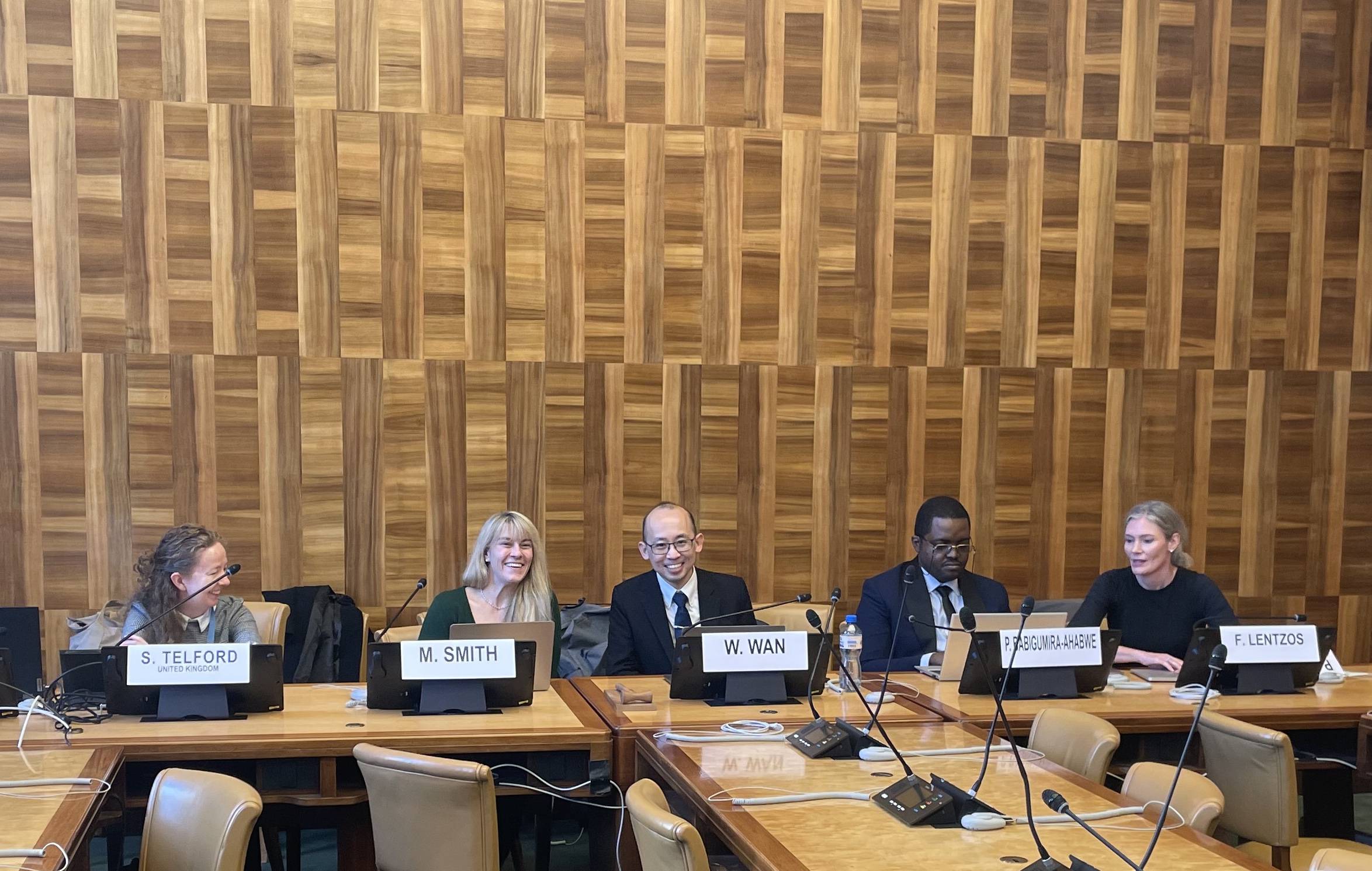 |
SIPRI co-hosts side event on the biological weapons prohibition regime
On 11 December, SIPRI co-hosted a side event during the Seventh Session of the Working Group on the Strengthening of the Biological Weapons Convention in Geneva. The event, which explored how emerging technologies can support the biological weapons prohibition regime, was co-hosted with the UK Foreign, Commonwealth and Development Office. During the event, Dr Miranda Smith, SIPRI Researcher, presented key insights from recent research on this topic, including findings from recent publications that explore use cases of how emerging technologies can support core functions of the convention.
Read more | Read the report on governing high-containment laboratories | Read the report on export controls on biological items
|
|
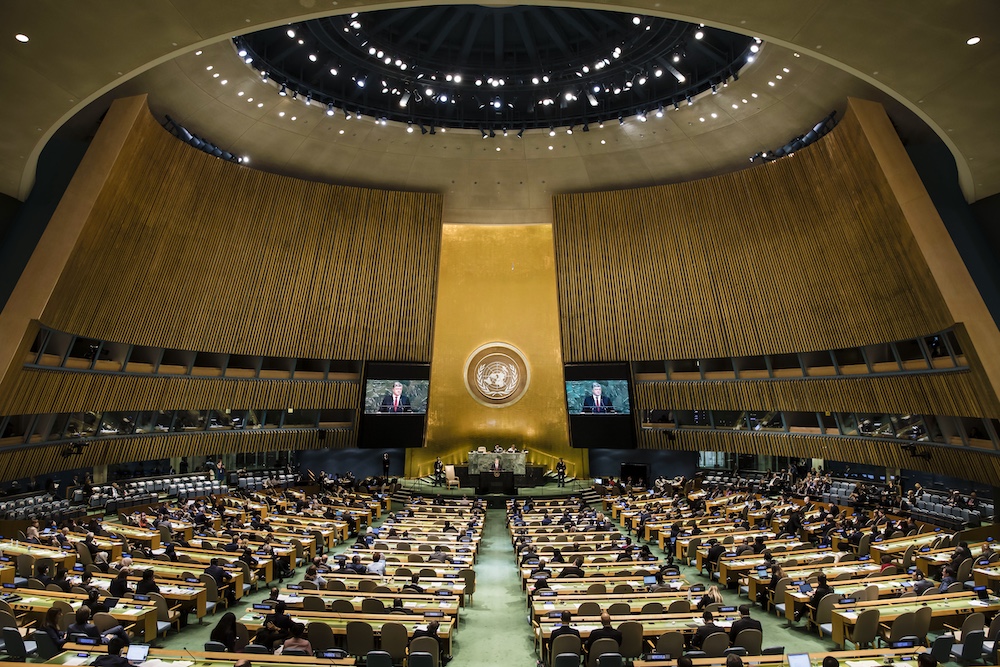 |
SIPRI Director appointed to top UN disarmament advisory board
SIPRI Director Karim Haggag was appointed by United Nations Secretary-General António Guterres to serve as a member of the Advisory Board on Disarmament Matters (ABDM). The ABDM provides guidance to the secretary-general on issues related to arms limitation and disarmament, including studies and research undertaken within the UN system. The ABDM also serves as the Board of Trustees of the UN Institute for Disarmament Research (UNIDIR).
Read more
|
|
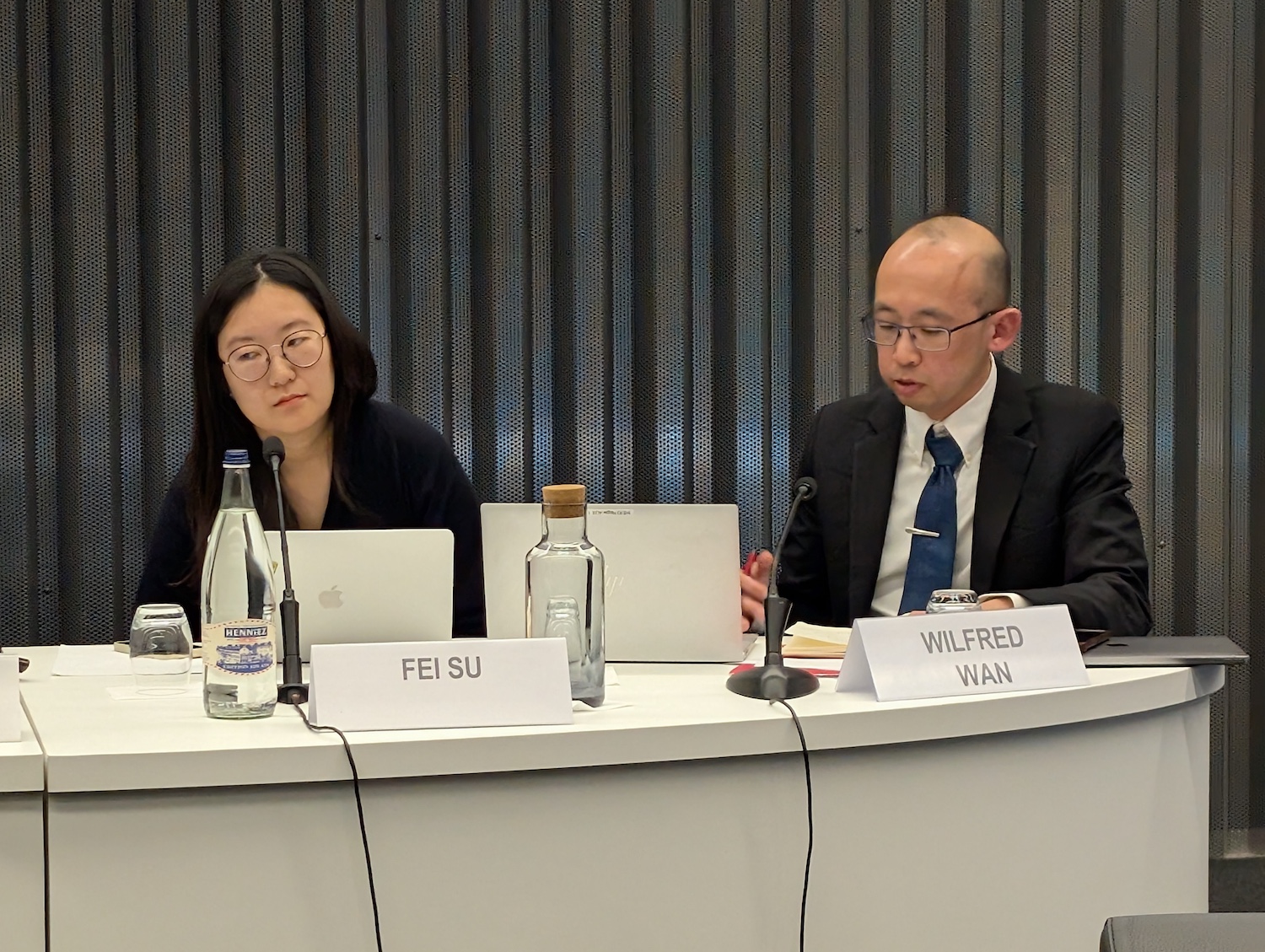 |
SIPRI co-organizes conference in Geneva on nuclear risks and emerging technologies
On 22–23 January, SIPRI collaborated with the Research Center for Nuclear Weapons Abolition at Nagasaki University and UNIDIR to organize a conference in Geneva. ‘Risk at the Intersections: The Nuclear Impacts of Emerging Technologies’ explored how emerging technologies and nuclear risks collide and shape escalation pathways. Four SIPRI experts participated in the event, representing several of SIPRI’s research programmes.
Read more
|
|
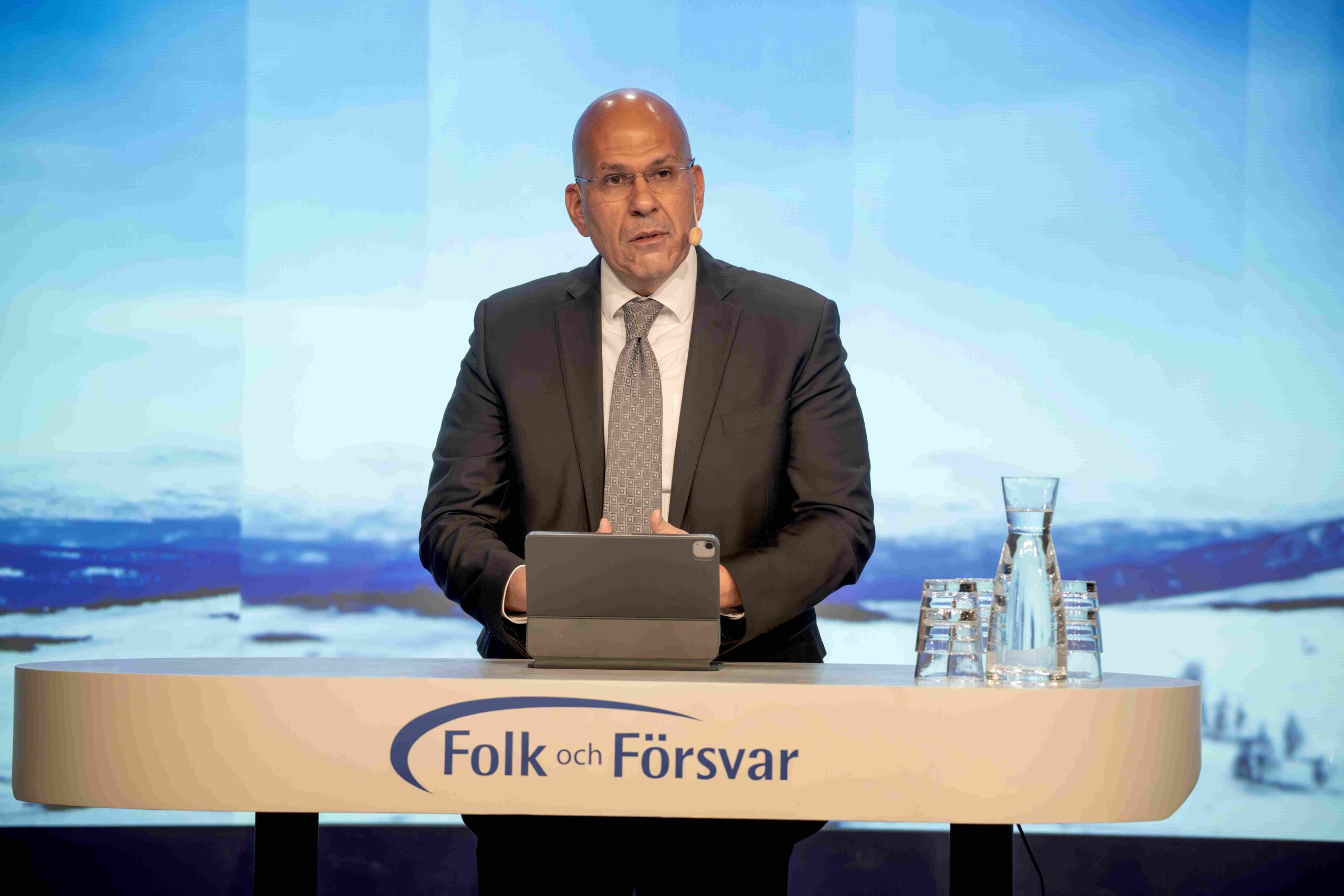 |
SIPRI Director addresses Sweden’s premier national defence conference: Folk och Försvar
On 12 January, Karim Haggag, SIPRI Director, addressed Folk och Försvars Rikskonferens. The annual conference for the Swedish security and defence policy community is a leading platform for discussions on Swedish defence, security policy and crisis preparedness. In attendance were members of the Swedish royal family, including His Majesty the King of Sweden Carl XVI Gustaf and Her Royal Highness Crown Princess Victoria, and Ulf Kristersson, Prime Minister of Sweden. Haggag’s presentation examined the world after the expiry of the 2010 Russia–United States Treaty on Measures for the Further Reduction and Limitation of Strategic Offensive Arms (New START).
Read more
|
|
|
Upcoming events
|
Advancing Human-centred Security in a Changing Geopolitical Landscape
28 January 2026
During this event in Stockholm, a panel will reflect on Sweden’s recent shift in foreign policy and what this means for human-centred security. The discussion kicks off a new Nordic dialogue series on human security and will situate Sweden’s policy transition within a regional and global conversation on the future of human security. The ‘Nordic Dialogues on Human Security’ project is a collaboration between SIPRI and the UN Trust Fund for Human Security.
Read more
|
|
|
|
|
 |
SIPRI experts were recently featured in these external outlets:
|
|
|
Publications
|
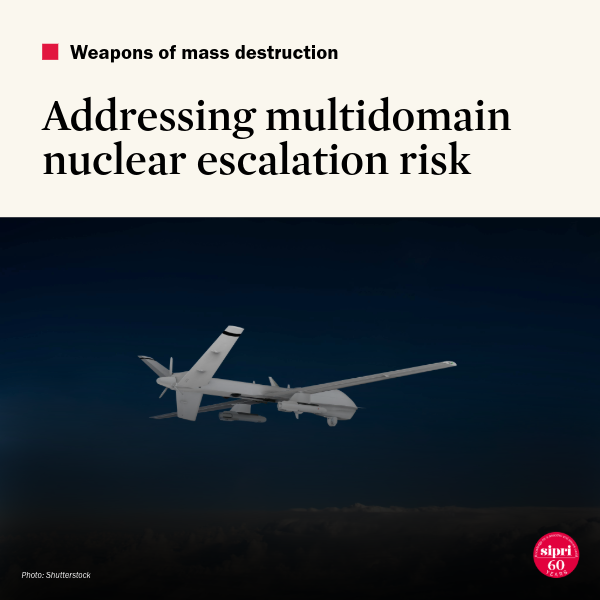 |
Addressing Multidomain Nuclear Escalation Risk
This research policy paper outlines the nature of multidomain escalation risk in the current strategic context. The paper examines how multidomain operations can contribute to nuclear escalation risk by upending strategic relations and throwing into question common understandings of the nuclear threshold. Effectively addressing multidomain escalation risk requires that nuclear-armed states revisit the concept of ‘strategic stability’ and systematically map multidomain escalation scenarios. A longer-term approach is required to reverse both arms racing trends and current thinking regarding strategic capabilities.
Read the SIPRI Research Policy Paper
|
|
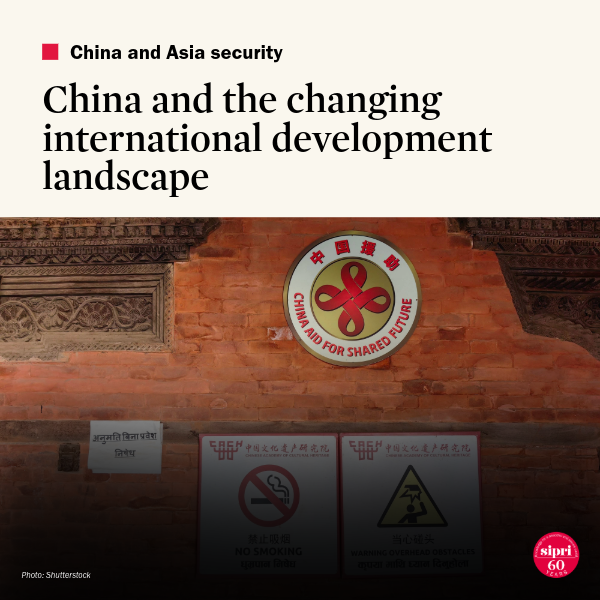 |
China and the Changing International Development Landscape
China has become an important player in the changing international development aid landscape. There is a need to understand the motivation behind China’s policy and the differences between traditional Organisation for Economic Co-operation and Development (OECD) Development Assistance Committee (DAC)-led development assistance and China’s development finance. In the aftermath of the dissolution of the United States Agency for International Development and the overall decline in OECD DAC countries’ foreign aid budgets, serious questions have been raised on whether China will step up and step in to play a more prominent role. This policy brief aims to address some of these issues.
Read the SIPRI Policy Brief
|
|
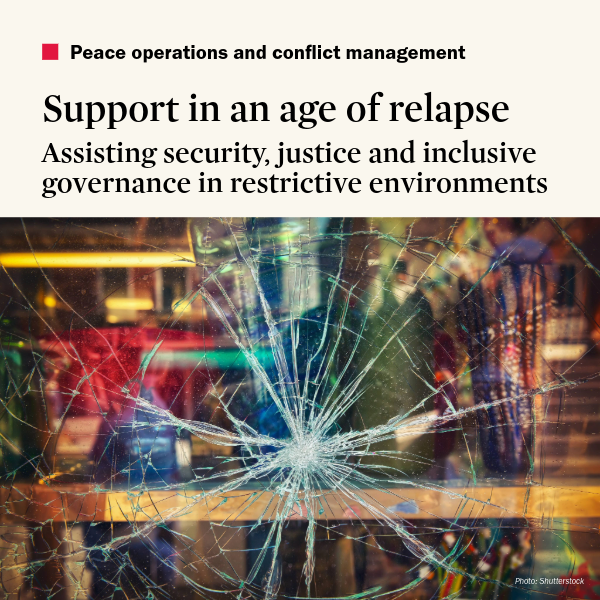 |
Support in an Age of Relapse: Assisting Security, Justice and Inclusive Governance in Restrictive Environments
Civil society organizations (CSOs), human rights defenders, media outlets and minority groups are increasingly facing government restrictions, as their civic and political space and funding are squeezed. This paper looks at restrictive environments and the roles that CSOs and the international and funding partners that support them can continue to play in the field of security, justice and inclusive governance, despite the challenges they face. It makes recommendations for international and funding partners on how to proceed in such restrictive environments, based mainly on the experiences of CSO representatives themselves.
Read the SIPRI Research Policy Paper
|
|
 |
Lasting Solutions to Fragility Depend on Peacebuilding
This policy brief is based on the proceedings of a workshop organized jointly by SIPRI, the Institute for Security Studies (ISS), the Deutsche Gesellschaft für Internationale Zusammenarbeit (GIZ) GmbH and the World Bank on ‘Integrated Security 2.0: Taking the Stab out of Stabilization’ at the Stockholm Forum on Peace and Development in May 2025 and an earlier think-piece document published by SIPRI, ISS and GIZ in January 2025.
Read the report
|
|
|
|
|
|
Accurate, dependable information is more important than ever. Invest in the facts.
Support SIPRI
|
|
 |
| SIPRI is an independent international institute dedicated to research into conflict, armaments, arms control and disarmament. Established in 1966, SIPRI provides data, analysis and recommendations, based on open sources, to policymakers, researchers, media and the interested public. |
|
|