The independent resource on global security





Advances in science and technology present both opportunities and risks for international peace and security. SIPRI’s work on emerging technologies aims to ensure that these opportunities and risks are accurately identified, widely understood and governed in a timely and effective manner.
SIPRI’s research on emerging military and security technologies monitors key developments in science and technology. It explores how these developments could undermine or enhance peace and security, fuel and transform conflicts, and be dealt with through existing or new governance frameworks. The research aims to produce informative and evidence-based analysis and recommendations for policymakers and facilitate multi-stakeholder dialogues involving experts from governments, the private sector and experts from different regions and disciplines.
Through its ongoing research initiatives, SIPRI aims to support international policy debates on artificial intelligence, autonomy in weapon systems, additive manufacturing, space technologies, biotechnology and cyberwarfare technology, emerging technology and international law, and responsible research and innovation for peace and security.
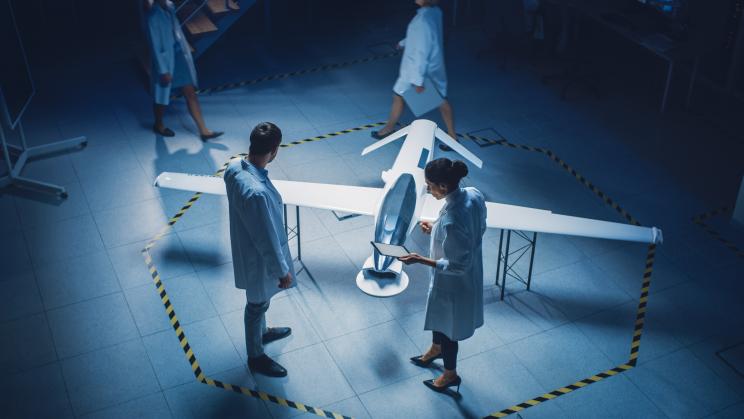
SIPRI explores challenges posed by the advances of autonomy in weapon systems.

SIPRI explores the impact artificial intelligence on international peace and security.
SIPRI examines the challenges emerging from the interaction between emerging but also older technologies.

SIPRI aims to increase the understanding of how IHL applies to new military technologies.

SIPRI aims to provide the civilian AI community with the necessary knowledge and means to understand and mitigate the unintended negative consequences that their work could have on peace and security.
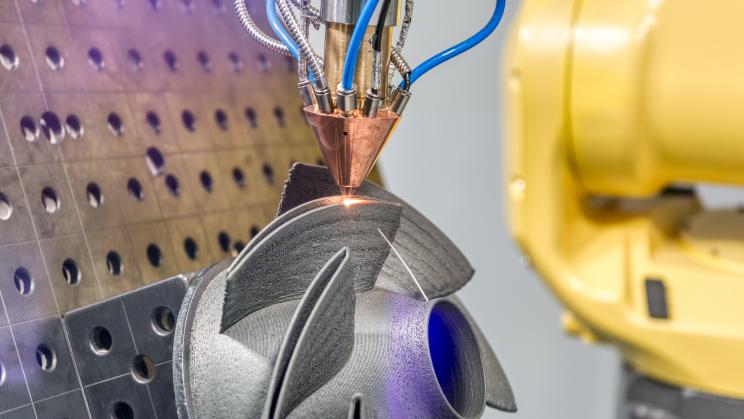
SIPRI’s work on AM focuses on its impact on the development and proliferation of conventional weapons, CBN weapons and their delivery systems.