The independent resource on global security




Dual-use and arms trade controls are the policies states employ in order to control the international movement of military products and dual-use items, i.e. goods, software and technologies that have the potential to be used for both civilian and military applications.
SIPRI’s work on dual-use and arms trade controls seeks to raise the quality of information available on national, multilateral and international export control systems and standards as well as promoting further improvements in all of these areas. This involves producing research and publications, developing tools and concepts, conducting seminars and other awareness-raising activities, and carrying out capacity-building efforts.
SIPRI’s research focuses on the development and effective implementation of national, multilateral and international controls and standards in the fields of dual-use and arms export controls as well as related systems of parliamentary scrutiny and public transparency. SIPRI’s work also pays particular attention to the challenges posed by emerging technologies (including among others additive manufacturing [3D printing] and bio-technology) and transfers of software and technology. SIPRI’s capacity-building work has included projects aimed at strengthening national export control systems in European Union member states, South East Europe, the Middle East, Africa and South East Asia. SIPRI also supports broader efforts in the field of export control capacity-building by maintaining the Mapping ATT-Relevant Cooperation and Assistance Activities database.


SIPRI focuses on dual-use export controls through developing and strengthening national laws, regulations and relevant embargoes.
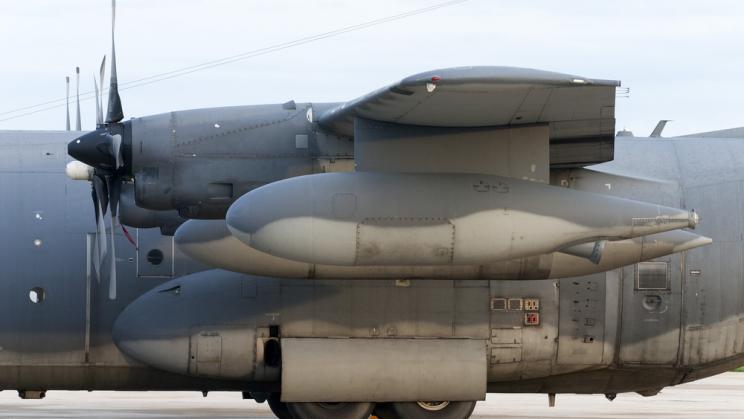
SIPRI works to develop and strengthen laws, regulations and standards in arms export controls.

SIPRI works actively to raise awareness and build capacity in the area of dual-use goods and arms export controls.

SIPRI monitors various transparency and reporting instruments in the field of arms export controls.

SIPRI’s work on AM focuses on its impact on the development and proliferation of conventional weapons, CBN weapons and their delivery systems.

SIPRI monitors and analyses multilateral arms embargoes.